Smartphones have evolved from simple communication tools into the central hub of modern life. Yet despite yearly upgrades—faster chips, better screens, more cameras—consumers increasingly feel that innovation has slowed. But that’s about to change. The next wave of smartphone technology is already in motion, and it looks radically different from anything we’ve seen before.
From foldable screens to AI-powered cameras to early experiments in holographic projection, the smartphones of the future will reshape how we work, capture memories, and experience the digital world. Here’s what’s coming, why it matters, and how soon you’ll actually see it.
1. Foldable Phones Are Just the Beginning
When foldable phones first appeared, many people wrote them off as fragile, gimmicky, or impractical. But as materials improve and prices drop, foldables are beginning to represent more than a luxury—they’re showing the future direction of mobile design.
Why Foldables Matter
-
More screen, same pocket size
Foldables provide a tablet-like workspace while remaining portable. -
Multitasking becomes natural
Splitting the screen across multiple apps creates a mini-laptop experience. -
Better entertainment
Watching videos or reading feels more immersive on larger displays.
What’s coming next
Manufacturers are now working on tri-fold devices, rollable screens, and flexible displays that wrap or curve. Imagine a phone that unrolls like a scroll when you want to watch a movie, or a compact device that expands into a 10-inch screen for work.
Real-world example
Samsung, Huawei, and Motorola have already released multiple generations of foldables. Industry analysts estimate that foldable shipments could reach 55 million units by 2028, meaning they’re approaching mainstream adoption.
Foldables aren’t a trend—they’re the next major form factor.
2. AI Cameras: Your Smartphone Will Become Your Personal Photographer
Camera improvements used to come from bigger lenses and more megapixels. Now, the real leap is in AI-powered image processing, which allows smartphones to outperform many traditional cameras in everyday scenarios.
How AI Cameras Will Transform Photography
-
Instant scene understanding
Phones will analyze lighting, distance, movement, and subject identity in milliseconds. -
Automatic professional adjustments
White balance, exposure, shadows, and clarity will optimize in real time—no editing needed. -
AI-generated enhancements
Removing reflections, clearing fog, fixing motion blur, and sharpening faces will be automatic.
Future capabilities
Within the next five years, AI cameras are expected to offer:
-
Real-time 3D image reconstruction (better AR and depth effects)
-
Predictive photography (capturing moments before you press the shutter)
-
AI cinematic modes for storytelling-quality videos
-
Instant translation and recognition directly through the camera lens
The smartphone won’t just take pictures—it will understand the environment with precision better than human eyes.
3. Holographic Displays: The Most Exciting (and Mysterious) Frontier
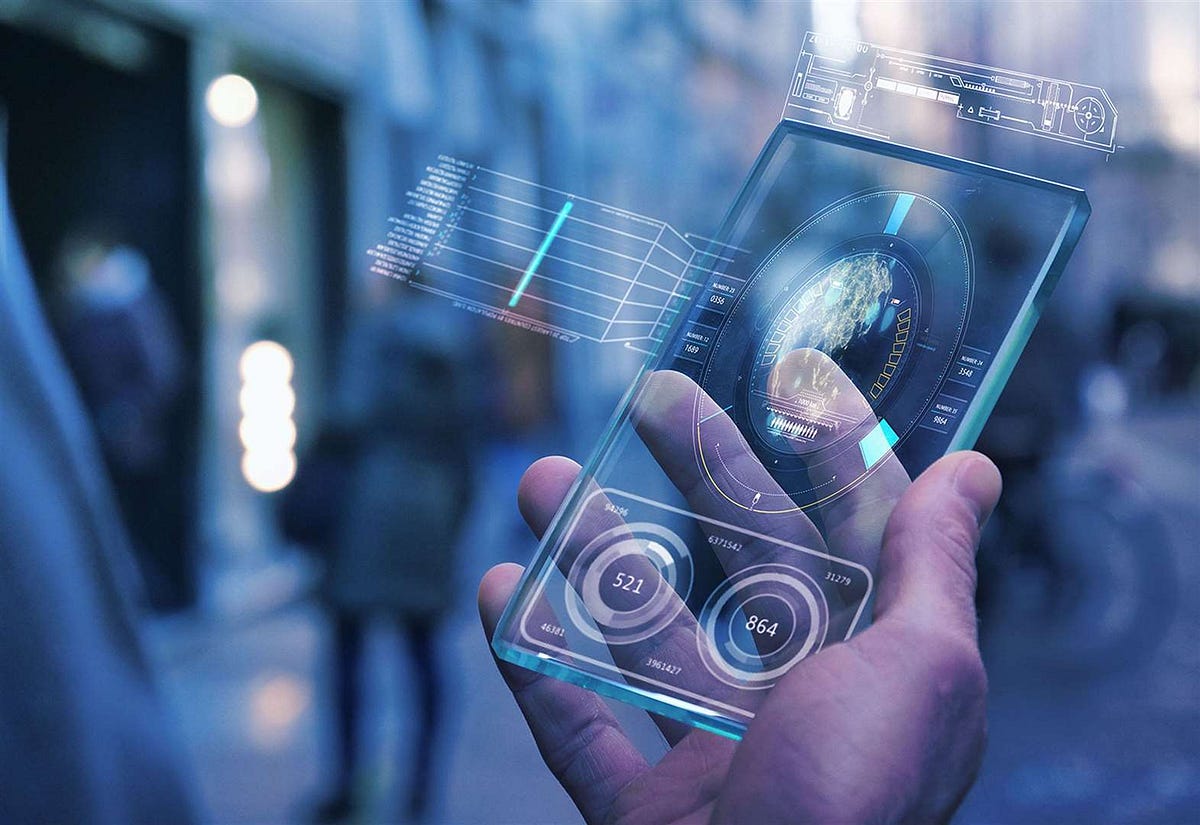
Holographic displays sound like science fiction, but early prototypes already exist. These displays project images that appear to float in mid-air without the need for special glasses.
Why Holography Could Be a Game-Changer
-
True 3D video calls
Imagine seeing a miniature version of your friend or colleague floating above the screen. -
Immersive entertainment
Movies, games, and AR experiences become multi-layered and lifelike. -
Hands-free interactions
You could swipe, pinch, or scroll using natural gestures in the air.
Challenges holding it back
-
High power consumption
-
Difficulty projecting high-resolution images
-
Hardware limitations in ultra-slim devices
-
Production costs
But major companies—including Samsung, Apple, and Google—are researching holographic tech. Once batteries become more energy-efficient and micro-projection modules shrink, holographic displays could become the next revolution after touchscreens.

4. AI Assistants Will Evolve Into Personal Operating Systems
Right now, smartphone AI assistants can answer simple questions, set reminders, and summarize information. But the next generation will manage your entire digital ecosystem.
The coming AI capabilities
-
Proactive task management
Your phone will schedule meetings, reorder groceries, and draft emails automatically. -
Context-aware suggestions
It will understand your habits, preferences, and goals, and make smart recommendations. -
Real-time language translation
Conversations between two people speaking different languages will be seamless. -
AI-as-a-companion
Emotional and cognitive support features will help reduce stress and improve daily decisions.
Your phone won’t just be a device—it will be a partner.
5. Battery Technology Will Improve at Last
It’s the upgrade everyone has been begging for: batteries that last significantly longer.
Emerging battery innovations
-
Silicon-anode batteries boosting capacity by 20%–40%
-
Solid-state batteries with safer materials and faster charging
-
Graphene integration for higher energy density
We may soon see phones that charge from 0% to 80% in just 10 minutes, or devices that last two days with heavy use.
6. Smartphones Will Replace More Everyday Devices
As phones become more powerful, consumers will rely less on:
-
tablets
-
standalone cameras
-
gaming consoles
-
laptops for casual use
-
wallets
-
keys
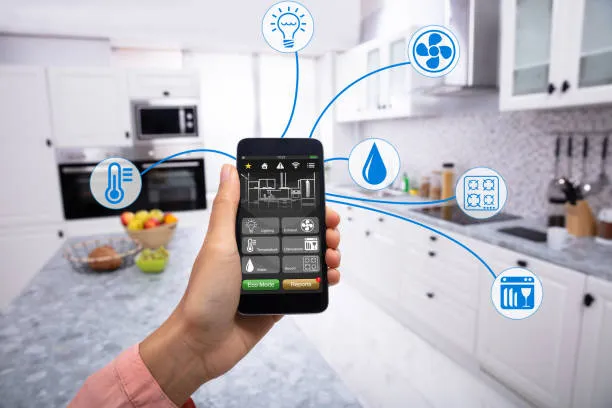
Already, many homes and cars can be accessed through digital keys stored in smartphones. By 2030, your phone may become the universal controller for identity, access, payments, and communication.

7. The Future Smartphone Will Be a Hybrid Device
The next decade will bring a shift from single-purpose rectangles to adaptable digital companions that change shape, project images, understand context, and predict your needs.
In short, your future phone will be:
-
foldable or expandable
-
camera-driven by advanced AI
-
possibly capable of holographic projection
-
powered by smarter AI assistants
-
faster, thinner, and more energy-efficient
-
integrated into every part of daily life
Smartphones won’t just evolve—they’ll transform.
About the Author