Technology is no longer just a tool—it’s a network. In 2025, we live in the Internet of Things (IoT) era, where everyday devices—from refrigerators to cars to smartphones—communicate seamlessly to make life smarter, more efficient, and sometimes surprisingly convenient. But while IoT offers incredible benefits, it also raises questions about privacy, security, and how dependent we are becoming on connected devices.
This article explores how the IoT works, how your devices interact, and what it means for your daily life.
1. What Is the Internet of Things (IoT)?
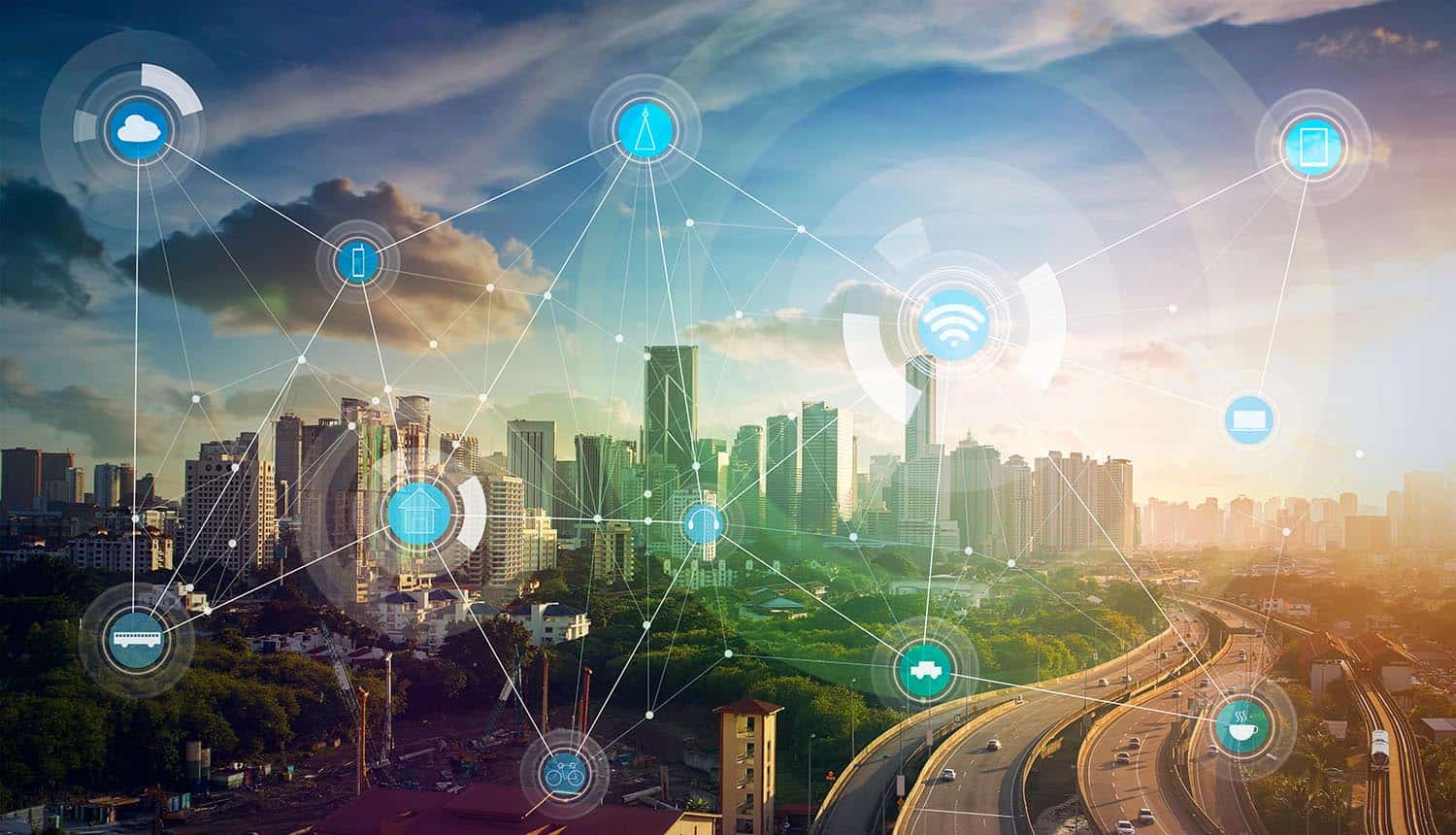
The Internet of Things refers to devices connected to the internet that collect, share, and act on data without human intervention. Unlike traditional gadgets, IoT devices communicate with each other and the cloud, forming a vast digital ecosystem.
Examples:
-
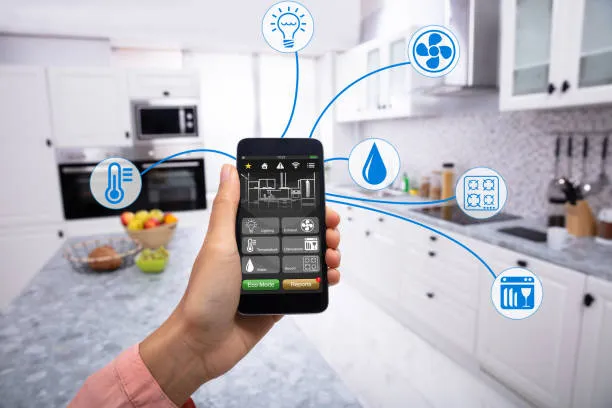
Your smartphone telling your thermostat to adjust the temperature before you arrive home
-
A smartwatch alerting you about low blood oxygen levels
-
A smart fridge reminding you that milk is about to expire
In short, IoT allows devices to think, react, and coordinate, creating a level of automation that was unimaginable a decade ago.
2. How Your Devices Talk to Each Other
IoT devices communicate in three primary ways:
2.1. Device-to-Device Communication
Some devices communicate directly over Wi-Fi, Bluetooth, or Zigbee networks. For example:
-
Your smart coffee maker may sync with your alarm clock so that coffee starts brewing as soon as you wake up.
-
Smart lights can turn on automatically when your smart door lock detects you’ve arrived.
2.2. Device-to-Cloud Communication
Most IoT devices send data to cloud servers, where AI analyzes it and sends back instructions.
Example:
Your fitness tracker uploads steps, heart rate, and sleep data to a cloud platform. AI then provides personalized health recommendations or alerts you to unusual patterns.
2.3. Cloud-to-Device Communication
This allows remote control. Your phone can:
-
Adjust home temperature
-
Unlock your car
-
Start your oven
Even when you’re miles away, IoT devices respond in real-time, making your life more convenient.
3. Everyday Examples of IoT in Action
3.1. The Smart Fridge
Modern fridges don’t just keep food cold. Many can:
-
Track expiration dates
-
Suggest recipes based on what’s inside
-
Alert you when groceries are running low
-
Connect to your phone to create shopping lists automatically
For example, a family in Chicago reported that their smart fridge reduced weekly food waste by 25% simply by alerting them to soon-to-expire items.
3.2. Connected Cars
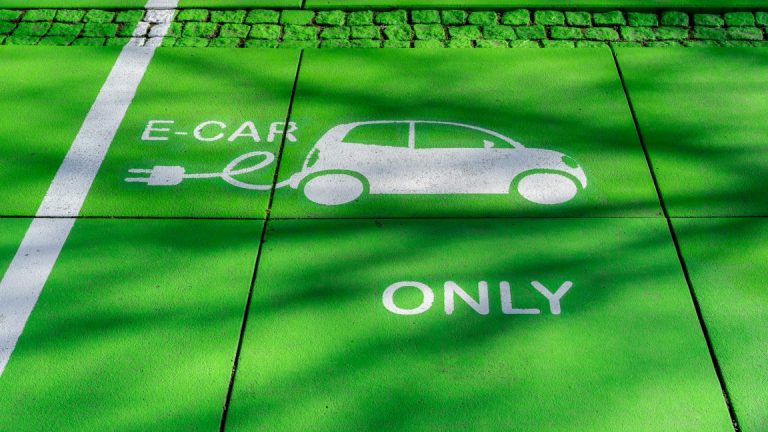
IoT is revolutionizing driving. Smart vehicles can:
-
Report maintenance needs before a breakdown occurs
-
Sync with navigation apps to suggest the fastest route
-
Communicate with nearby cars to prevent accidents (vehicle-to-vehicle, V2V)
Tesla, Ford, and other manufacturers are already using these systems to enhance safety and reduce fuel consumption.
3.3. Smartphones: The Hub of IoT
Your phone often acts as the control center for all IoT devices. From a single app, you can:
-
Adjust home security settings
-
Control lighting and appliances
-
Monitor health devices
-
Access car dashboards remotely
In many homes, smartphones are the glue that binds the entire IoT ecosystem together.
4. The Benefits of Living in an IoT World
4.1. Convenience and Automation
IoT reduces repetitive tasks. Lights, thermostats, and coffee machines now anticipate your habits, making routines effortless.
4.2. Energy and Cost Efficiency
Smart meters and thermostats track energy usage and suggest optimizations. Families can save hundreds of dollars annually on electricity and heating.
4.3. Enhanced Safety and Health
-
Smart smoke detectors, water leak sensors, and cameras monitor for hazards
-
Wearables track heart rate, sleep, and activity levels, alerting users to potential health issues
4.4. Data-Driven Decision Making
IoT devices generate insights that can guide everything from grocery shopping to car maintenance. It’s like having a personal assistant for every aspect of life.
5. The Risks You Need to Consider
While IoT offers incredible convenience, it comes with security and privacy risks:
5.1. Cybersecurity Vulnerabilities
Connected devices are targets for hackers. Vulnerable smart cameras, locks, or cars can allow unauthorized access.
5.2. Data Privacy
IoT devices collect massive amounts of personal information. From habits to health data, companies can track more than you realize.
5.3. Over-Dependence
Too much automation can reduce your ability to manage basic tasks independently. A power outage or system failure could temporarily disrupt daily routines.
6. How to Use IoT Safely and Smartly
1. Secure Your Network
Use strong passwords, enable two-factor authentication, and keep your router firmware updated.
2. Regularly Update Devices
Manufacturers frequently release security patches. Install updates promptly.
3. Limit Data Sharing
Turn off features you don’t use. Review privacy settings to control what your devices share.
4. Choose Reputable Brands
Not all devices are created equal. Trusted manufacturers tend to provide more reliable security.
5. Start Small
Focus on devices that deliver tangible benefits first—like thermostats, cameras, or smart lights—before fully automating your home.
Final Thoughts: IoT Is Already Here, and It’s Transforming Life
The Internet of Things isn’t a distant future—it’s already part of daily life. From fridges that monitor food, to cars that prevent accidents, to phones controlling everything in your home, IoT is quietly reshaping convenience, efficiency, and safety.
But as with all powerful technology, the key is balance. Enjoy the benefits, but remain mindful of security and privacy. The era of connected living is here—and understanding how your devices communicate is the first step to using them wisely.
About the Author