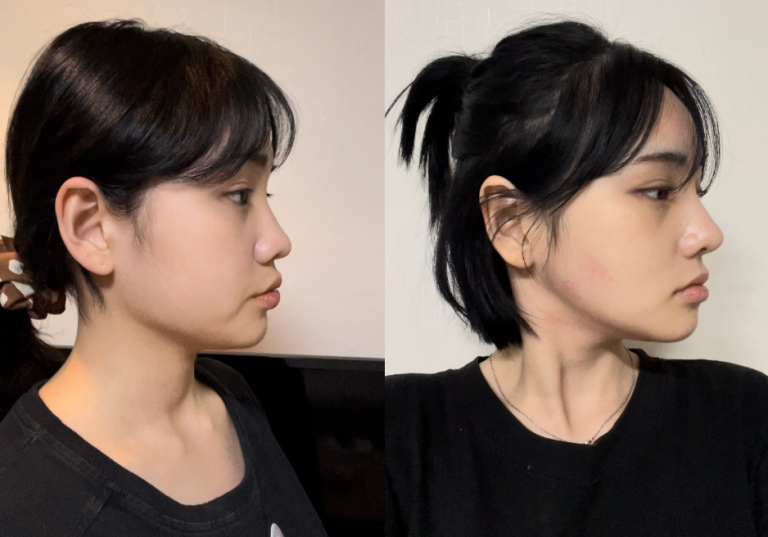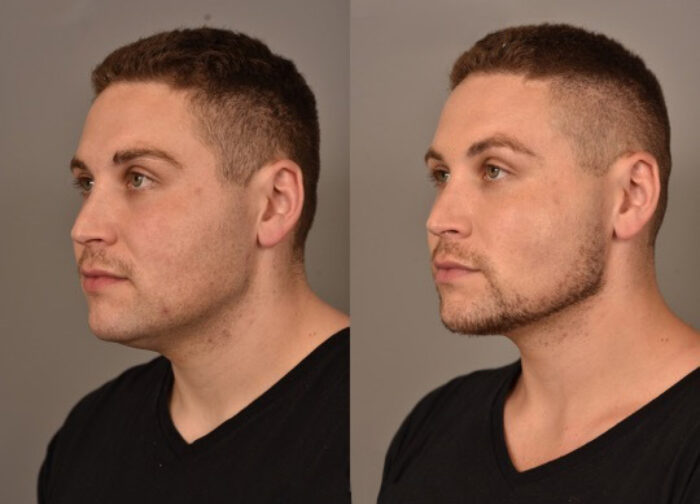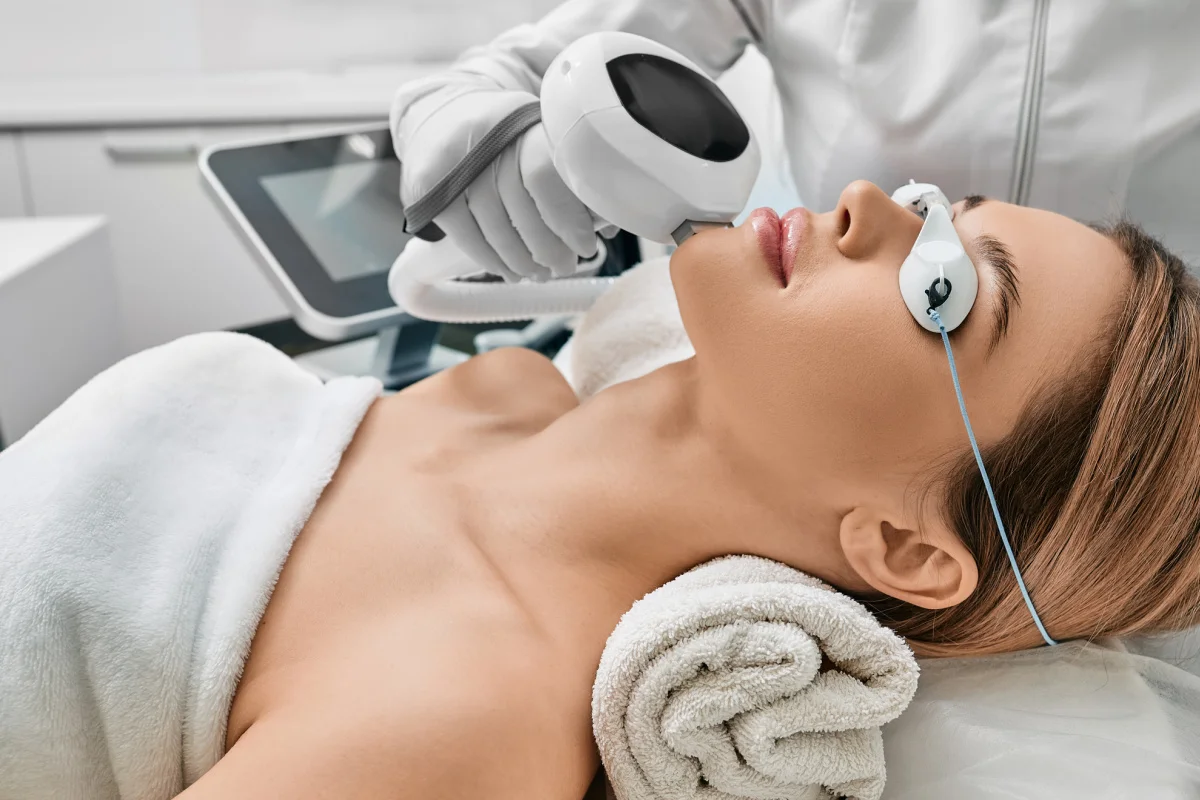
In recent years, minimally invasive cosmetic surgery has become increasingly popular. Procedures such as Botox, dermal fillers, laser treatments, chemical peels, and non-surgical fat reduction are widely advertised as quick, convenient, and low-risk alternatives to traditional surgery. Patients are drawn to the promise of minimal downtime, fast results, and the allure of enhancing appearance without going under the knife. But is minimally invasive cosmetic surgery really as safe as it is portrayed? While these procedures are generally safer than traditional surgery, they are not without risks. Understanding these potential complications can help you make informed decisions and avoid unpleasant surprises.

1. Infection and Skin Reactions
Even though minimally invasive procedures do not require large incisions, they still involve penetrating the skin or using chemical agents. This can introduce bacteria or trigger reactions. For example, dermal fillers and Botox injections can cause local infections if the area isn’t properly sterilized. Signs of infection include redness, swelling, warmth, and pain at the injection site, which may develop into abscesses in severe cases.
Chemical peels and laser treatments also carry the risk of adverse skin reactions, such as prolonged redness, irritation, or hyperpigmentation. Individuals with sensitive skin or pre-existing dermatological conditions may be more prone to these complications. While infections and skin reactions are usually treatable, they can be uncomfortable, unsightly, and sometimes long-lasting.
2. Allergic Reactions
Allergic reactions are another risk that is often overlooked. Patients may be allergic to ingredients in fillers, Botox, or topical numbing creams used during procedures. Allergic responses can range from mild swelling and itching to severe anaphylaxis, which is life-threatening and requires immediate medical attention.
Even if you have had cosmetic injections in the past without issues, it is possible to develop new sensitivities over time. That’s why a thorough medical history, allergy testing, and consultation with a qualified professional are essential before undergoing any procedure.
3. Asymmetry and Unsatisfactory Results
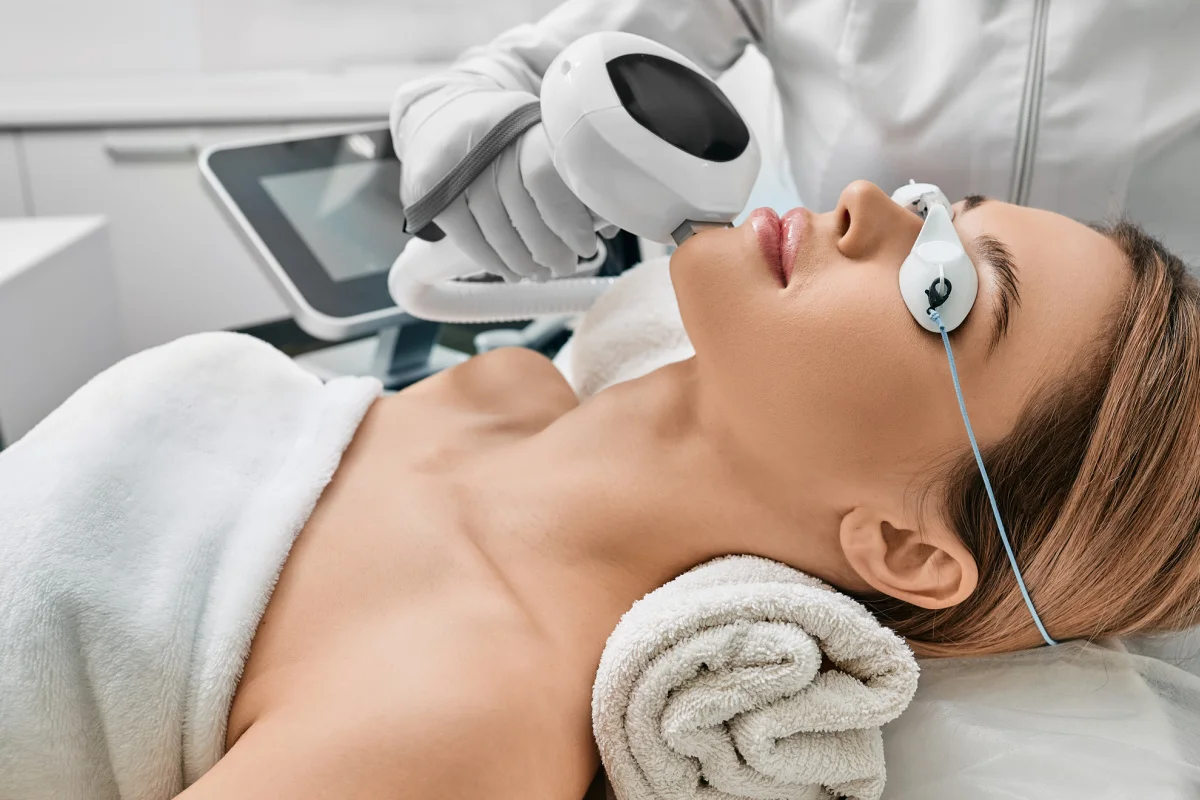
One of the most common complaints from patients undergoing minimally invasive cosmetic procedures is asymmetry or results that do not meet expectations. Unlike surgical procedures, which offer more controlled outcomes through direct tissue manipulation, non-surgical treatments rely heavily on precision and the skill of the practitioner.
For instance, improperly injected fillers can create uneven facial contours, lumps, or unnatural expressions. Similarly, laser treatments may result in patchy pigmentation if not carefully performed. While some of these issues can be corrected with additional treatments, others may be permanent, leading to frustration, emotional distress, and additional costs.
4. Temporary or Unexpected Side Effects
Although minimally invasive procedures are marketed as “safe” and “quick,” they often come with temporary side effects that can be surprising to first-time patients. Common side effects include bruising, swelling, redness, tenderness, or minor pain at the treatment site. These usually subside within days or weeks, but the duration and intensity can vary depending on individual health, skin type, and the specific procedure performed.
Additionally, some procedures carry unexpected risks. For example, non-surgical fat reduction methods such as cryolipolysis (fat freezing) can occasionally lead to paradoxical adipose hyperplasia—a condition where treated fat cells actually enlarge instead of shrinking. While rare, such complications underscore that “minimally invasive” does not mean “risk-free.”
5. Long-Term Risks and Unknown Effects
Because many minimally invasive cosmetic procedures are relatively new, their long-term effects are not fully understood. Repeated use of certain injectables may cause tissue thinning, scarring, or changes in skin elasticity over time. Patients undergoing frequent laser or chemical treatments may experience cumulative skin damage, which could accelerate aging rather than improve it.
Moreover, long-term systemic effects of injectable substances, especially those that are absorbed or metabolized in the body, remain an area of ongoing research. While these risks are rare, it’s important to weigh them against the perceived benefits, particularly for younger patients considering repeated treatments over many years.
Making Safe Choices
The risks associated with minimally invasive cosmetic surgery do not mean you should avoid these procedures altogether. Many patients undergo treatments successfully and safely. The key is to choose a qualified, experienced practitioner, ensure the clinic follows strict hygiene protocols, and have realistic expectations about results. A thorough consultation that includes a discussion of your medical history, potential allergies, and the procedure’s limitations is crucial.
Patients should also educate themselves about the specific procedure they are considering and be alert to any post-treatment changes that could indicate complications. Immediate follow-up care and communication with your provider can prevent minor issues from becoming major problems.
Conclusion
Minimally invasive cosmetic surgery is generally safer than traditional surgical procedures, but it is not completely risk-free. Infection, allergic reactions, unsatisfactory results, temporary side effects, and long-term unknown effects are all possible, though often preventable with proper precautions. Being well-informed, choosing qualified practitioners, and maintaining realistic expectations can help ensure your cosmetic journey is safe and rewarding.
Ultimately, safety in cosmetic procedures is not about eliminating risk entirely—it is about understanding, managing, and minimizing it while making choices that align with your health and personal goals.
About the Author