In the world of cosmetic enhancements, injectable treatments have become increasingly popular, offering a non-surgical route to a more youthful appearance. Two of the most commonly requested procedures are hyaluronic acid (HA) fillers and Botox. While both are injections designed to improve facial aesthetics, they serve very different purposes, work in distinct ways, and have unique benefits and limitations. If you’re considering facial rejuvenation, it’s important to understand how each treatment works, what results you can expect, and which might be best suited for your individual needs.

Understanding Hyaluronic Acid Fillers
Hyaluronic acid is a naturally occurring substance found in the skin, connective tissues, and eyes. It plays a critical role in maintaining skin hydration, elasticity, and volume. As we age, the natural levels of hyaluronic acid in our bodies decline, leading to sagging skin, fine lines, and hollow areas—especially around the cheeks, under the eyes, and lips.
HA fillers are injectable gels made from synthetic hyaluronic acid. When injected, they restore lost volume, smooth wrinkles, and enhance facial contours. Common uses include:
-
Lip augmentation – adding volume and definition to the lips
-
Cheek enhancement – restoring a youthful fullness to the mid-face
-
Nasolabial fold smoothing – softening the lines between the nose and mouth
-
Under-eye rejuvenation – reducing hollows and dark circles
-
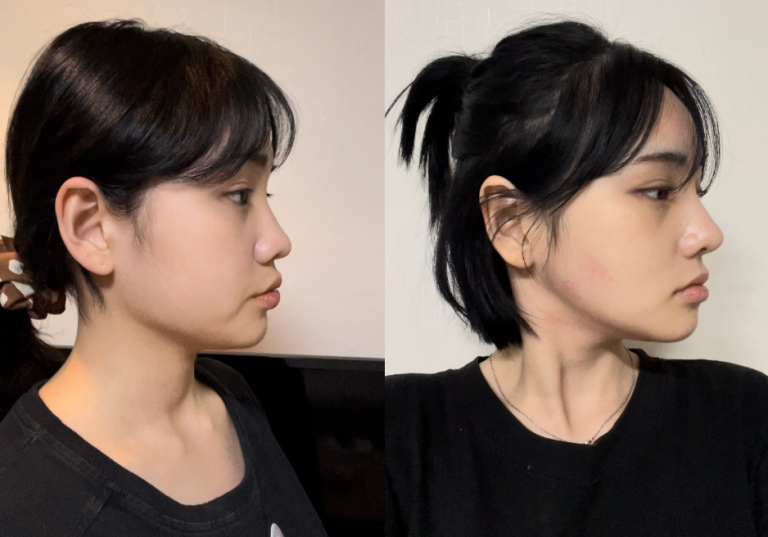
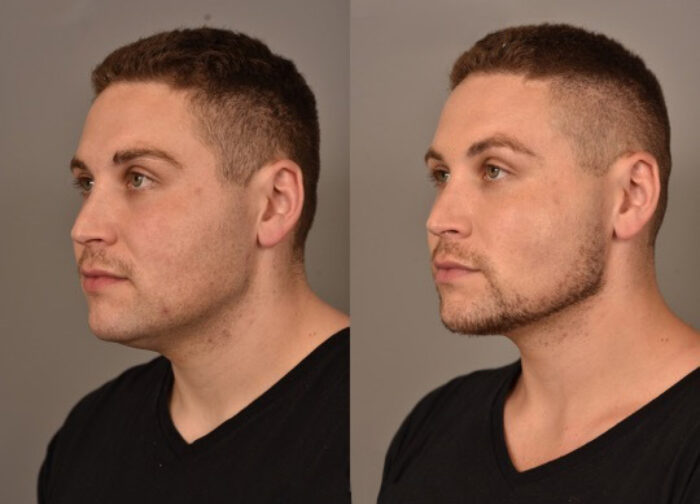
Jawline and chin contouring – enhancing facial structure
One of the main advantages of HA fillers is their versatility. Because the results are immediately visible, patients can see the transformation right after treatment. Additionally, hyaluronic acid is naturally biodegradable, which means the effects gradually diminish over time, usually lasting between 6 to 18 months depending on the product used and treatment area. If results are unsatisfactory or preferences change, the filler can often be partially or completely dissolved using an enzyme called hyaluronidase.
Benefits of Hyaluronic Acid Fillers
-
Immediate results – Many patients notice improvement instantly after the injection.
-
Natural appearance – HA fillers can be sculpted to enhance features subtly.
-
Temporary and reversible – Effects fade gradually, giving flexibility to adjust or reverse results.
-
Hydration and skin improvement – Hyaluronic acid draws moisture into the skin, which can improve overall texture and plumpness.
Potential Risks
Despite being relatively safe, HA fillers are not risk-free. Side effects may include:
-
Swelling, redness, or bruising at the injection site
-
Lumps or uneven texture if not injected properly
-
Rare vascular complications if injected into a blood vessel, which could lead to tissue damage
Working with an experienced, certified practitioner is essential to minimize these risks.
Understanding Botox
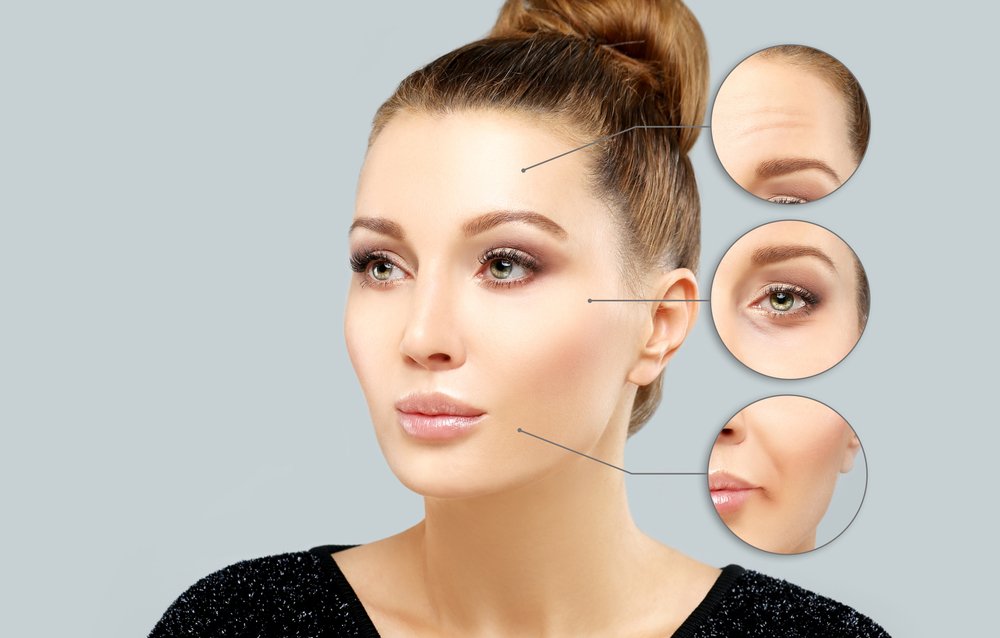
Botox, short for botulinum toxin type A, is a neurotoxin produced by the bacterium Clostridium botulinum. Unlike HA fillers, Botox does not add volume or plump the skin. Instead, it works by temporarily relaxing targeted facial muscles, preventing them from contracting and forming dynamic wrinkles—lines that appear with facial movements, such as smiling, frowning, or squinting.
Common uses of Botox include:
-
Forehead lines – smoothing horizontal lines across the forehead
-
Frown lines (glabellar lines) – reducing the “11s” between the eyebrows
-
Crow’s feet – softening wrinkles around the eyes
-
Bunny lines – minimizing lines on the nose bridge
-
Neck bands – relaxing vertical lines in the neck area
Botox works gradually. Results typically become noticeable within 3 to 7 days, reaching full effect around two weeks after treatment. The effects are temporary, usually lasting 3 to 6 months, after which repeated treatments are necessary to maintain results.
Benefits of Botox
-
Effective for dynamic wrinkles – Botox specifically targets lines caused by muscle movement.
-
Non-permanent – Results wear off gradually, allowing patients to adjust treatments over time.
-
Preventive effect – Regular use can prevent the formation of deeper wrinkles in the future.
-
Quick and minimally invasive – Treatments typically take 10–20 minutes, with little downtime.
Potential Risks
Botox is generally safe when administered by a trained professional, but potential side effects include:
-
Temporary bruising or swelling at injection sites
-
Drooping eyelids or asymmetry if injected incorrectly
-
Headaches or flu-like symptoms in rare cases
-
Muscle weakness beyond the treatment area, if the injection spreads

Hyaluronic Acid vs Botox: Key Differences
| Feature | Hyaluronic Acid (HA) Fillers | Botox |
|---|---|---|
| Purpose | Restores volume, plumps skin, smooths static wrinkles | Relaxes muscles to reduce dynamic wrinkles |
| Effect On Skin | Adds hydration and fullness | No volume added; targets muscle movement |
| Treatment Areas | Lips, cheeks, under eyes, jawline, nasolabial folds | Forehead, frown lines, crow’s feet, neck bands |
| Onset of Results | Immediate | 3–7 days, full effect by 2 weeks |
| Duration | 6–18 months | 3–6 months |
| Reversibility | Can be dissolved with hyaluronidase | Effects wear off naturally; no reversal injection |
| Side Effects | Swelling, bruising, lumps, rare vascular complications | Bruising, drooping, asymmetry, rare systemic effects |
Which One Is Right for You?
Choosing between HA fillers and Botox depends on your goals, age, skin condition, and the type of wrinkles you wish to address.
-
For volume loss and facial contouring: HA fillers are ideal. They restore youthful plumpness, sculpt features, and can correct asymmetry.
-
For expression lines and wrinkles caused by movement: Botox is more effective, as it relaxes overactive muscles that create dynamic lines.
-
For a combination approach: Many patients benefit from using both treatments simultaneously—Botox to prevent and smooth dynamic wrinkles, and HA fillers to restore volume and enhance facial structure.
It’s important to consult with a qualified practitioner who can evaluate your facial anatomy, discuss your aesthetic goals, and create a personalized treatment plan.
Preparing for Treatment
Before either procedure, a consultation is essential. During this session, your provider may:
-
Review your medical history and allergies
-
Examine your facial structure and skin condition
-
Discuss realistic outcomes and possible side effects
-
Create a customized plan tailored to your goals
Following pre- and post-treatment instructions—such as avoiding certain medications, alcohol, or strenuous exercise—can help reduce risks and improve results.
Conclusion
Hyaluronic acid fillers and Botox are two of the most popular non-surgical cosmetic treatments available today, each serving distinct purposes. HA fillers are best for restoring volume, enhancing facial contours, and smoothing static wrinkles, while Botox excels at relaxing muscles to prevent and soften dynamic expression lines.
Both treatments are generally safe when performed by experienced practitioners, but they carry risks and limitations that should not be overlooked. Understanding the differences, benefits, and potential side effects can help you make an informed decision, ensuring that your journey toward a youthful, refreshed appearance is both safe and satisfying.
Whether you’re looking to restore lost volume, reduce expression lines, or combine both approaches for a comprehensive facial rejuvenation, knowing the right treatment for your needs is the first step toward achieving natural, beautiful results.
About the Author