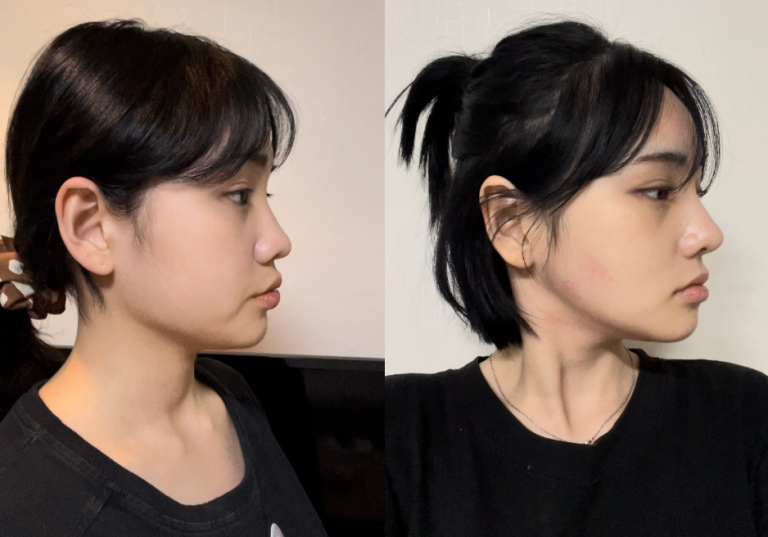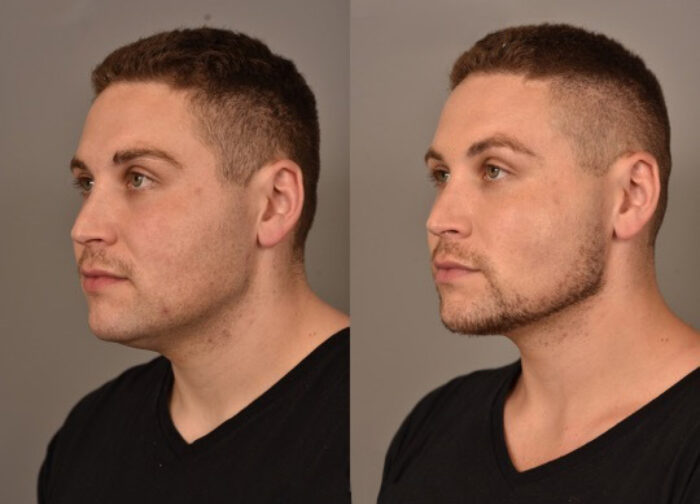
Dermal fillers have become one of the most popular non-surgical aesthetic treatments worldwide. According to the American Society of Plastic Surgeons, more than 3.4 million filler procedures are performed annually, with numbers growing steadily as techniques improve and downtime decreases.
However, the success of your treatment depends heavily on choosing the right filler — not just a brand name, but the correct product type, density, placement depth, and injector technique. Many of the most common complications (overfilling, migration, lumps, unnatural results) often stem from mismatched filler choice.
This guide explains how to select the right dermal filler for your goals, based on scientific properties, safety considerations, and expert recommendations.

1. Understand the Main Types of Dermal Fillers
Different fillers are designed for different purposes. Choosing the wrong category can lead to poor results — even if the brand itself is well-known.
(1) Hyaluronic Acid (HA) Fillers
Best for: lips, nasolabial folds, tear troughs, jawline definition, fine lines
Popular brands: Juvederm, Restylane, Belotero, Teosyal
HA fillers are the most commonly used because they are reversible and have a strong safety profile. They vary widely in thickness and elasticity.
-
Soft, flexible HA → ideal for lips and tear troughs (e.g., Restylane Kysse, Juvederm Volbella).
-
Firm, structural HA → ideal for jawline, chin, and cheeks (e.g., Juvederm Volux, Restylane Lyft).
(2) Calcium Hydroxylapatite (CaHA)
Best for: deeper wrinkles, mid-face volume loss, collagen stimulation
Brand: Radiesse
Provides stronger lift than HA and stimulates collagen over time. Not ideal for lips or superficial areas.
(3) Poly-L-lactic Acid (PLLA)
Best for: overall facial volume restoration, especially for age-related fat loss
Brand: Sculptra
PLLA is a biostimulator, creating gradual, natural-looking volume over months. Not used for precise contouring.
(4) PMMA (Polymethyl-methacrylate)
Best for: long-term correction of deep wrinkles
Brand: Bellafill
Considered semi-permanent. Requires high injector skill; not suitable for first-time filler users.
2. Match the Filler to Your Treatment Goals
To choose the right filler, start with your intended outcome, not the product name. Here are common goals and the fillers best suited to each.
(1) Lip Enhancement
Ideal: soft, hydrating HA fillers
-
Adds volume without stiffness
-
Maintains natural movement
Examples: Juvederm Volbella, Restylane Kysse
Avoid: thick or structural fillers that create a “duck lip” effect or migration.
(2) Cheek Contouring & Mid-Face Lift
Ideal: medium-firm HA or CaHA
-
Restores youthful volume
-
Lifts the nasolabial folds indirectly
Examples: Juvederm Voluma, Restylane Lyft, Radiesse
(3) Tear Trough (Under-Eye Hollow)
Ideal: soft, low-swelling HA
-
Minimizes puffiness
-
Avoids Tyndall effect (bluish tint)
Examples: Restylane-L, Belotero Balance
Avoid: Sculptra or Radiesse — too thick, higher complication risk.
(4) Jawline & Chin Sculpting
Ideal: firm, highly cohesive HA fillers
-
Sharpens contour
-
Improves facial symmetry
Examples: Juvederm Volux, Restylane Defyne
(5) Fine or Superficial Lines
Ideal: very soft HA that integrates smoothly
Examples: Belotero Soft, Restylane Silk
(6) Full-Face Rejuvenation
Ideal: collagen stimulators (PLLA or CaHA)
Examples: Sculptra, Radiesse
These subtly enhance volume over several months and improve skin structure.

3. Consider Your Skin Type and Anatomy
Even if a filler is appropriate for the treatment area, your individual anatomy may affect the choice. Expert injectors evaluate:
(1) Skin Thickness
-
Thin skin (common under eyes, in older adults) → soft HA
-
Thicker skin (jawline, cheeks) → firmer HA or CaHA
(2) Natural Fat Distribution
Those with low facial fat (often active, slim individuals) may benefit more from stimulators like Sculptra.
(3) Ethnic and Gender Features
Aesthetic goals differ:
-
Men typically need firmer fillers for strong contours
-
East Asian patients often seek soft enhancement in midface or nose
-
Women may prefer softer, natural lip fillers
A skilled injector will customize the product to fit your facial structure rather than applying a one-size-fits-all approach.
4. Evaluate Safety: Know the Risks and How to Reduce Them
Different fillers carry different complication rates. The safest results come from matching the right product to the right area.
Common Risks
-
Swelling and bruising
-
Lumps or bumps
-
Overfilling
-
Migration (especially in lips)
-
Tyndall effect (if using the wrong filler under eyes)
Serious but Rare Risks
-
Vascular occlusion
-
Tissue damage
-
Blindness (extremely rare but documented in medical literature)
Safety Tips
-
Choose an experienced injector (preferably a board-certified doctor).
-
Avoid permanent fillers unless medically justified.
-
Research whether your filler is reversible.
-
Discuss your medical history (autoimmune conditions, allergies, anticoagulant use).
-
Ask the injector about product suitability and rationale — they should be able to explain why they selected that filler.
5. Real-Life Examples: Why the Right Filler Matters
Case Example 1 — Lip Migration from Overly Thick Filler
A 27-year-old woman received a structural HA filler designed for cheeks in her lips. Within weeks, the product migrated above the lip border, creating a “mustache shadow.” Reversing it required multiple hyaluronidase sessions.
Case Example 2 — Under-Eye Puffiness from the Wrong Product
A 38-year-old patient received a highly hydrophilic filler under the eyes, causing water retention and persistent swelling. Switching to a soft, low-density filler resolved the issue.
Case Example 3 — Excellent Jawline Result from High-Density HA
A 45-year-old patient achieved a sharp, defined jawline using Juvederm Volux, specifically engineered for deep structural contouring. Proper product choice prevented migration and maintained shape for over 18 months.

6. How to Choose the Right Filler: A Simple Checklist
Before your appointment:
✔ Define your goals
✔ Bring reference photos
✔ Research filler categories (not just brand names)
During consultation:
✔ Ask which filler your doctor recommends — and why
✔ Ask how long it lasts
✔ Ask if it’s reversible
✔ Check if it’s FDA-approved for your treatment area
After treatment:
✔ Follow aftercare
✔ Avoid heat, exercise, and alcohol for 24 hours
✔ Monitor for unusual symptoms (prolonged pain, discoloration, vision changes)
Conclusion
Choosing the right dermal filler is not about chasing popular names — it’s about selecting a product whose density, elasticity, cohesiveness, and safety profile match your unique facial anatomy and aesthetic goals. With proper product selection and an experienced injector, dermal fillers can deliver natural, long-lasting, and safe rejuvenation.
About the Author