In the global surge of K-beauty, double eyelid surgery has become one of the most sought-after procedures. What was once a niche cosmetic treatment is now a mainstream aesthetic choice shaped by Korean artistry, ultra-precise techniques, and a preference for natural, expressive eyes. Two techniques dominate the conversation: the Korean Three-Point Suture Method and the Full-Incision Technique. Each has its strengths, limitations, and ideal candidates.
This guide gives you a clear, practical breakdown so you can make a confident, well-informed decision.

1. Why Double Eyelids Are Central in K-Beauty
K-beauty isn’t about dramatic transformation. It celebrates refinement, symmetry, and softness. In eyelid aesthetics, this means:
-
a crease that looks delicate, not heavy
-
dynamic movement when blinking
-
bright, open expression
-
natural blending with the facial structure
The goal is harmony, not exaggeration.
Double eyelid surgery enhances definition, improves lash projection, and can make the eyes look fresher and more energetic without altering your core identity.
2. Technique Overview: Suture vs Incision
At a glance:
| Technique | Best For | Advantages | Limitations |
|---|---|---|---|
| Korean Three-Point Method | Younger patients, thin eyelids, minimal fat | Fast recovery, minimal scarring, reversible | Crease may loosen over years; not ideal for thick or fatty eyelids |
| Full-Incision Technique | Thicker eyelids, excess skin or fat, revision cases | Permanent, precise, customizable | Longer downtime, visible scar early on |
Let’s explore both deeply.
3. Korean Three-Point Method: Subtle, Quick, and Natural
This method is a signature of Korean aesthetic philosophy. Surgeons form a stable eyelid crease by placing sutures through three micro-entry points along the upper lid. No cutting of skin is needed.
How It Works
The sutures create adhesion between the skin and the levator muscle, forming a crease that behaves like a naturally occurring fold.
Ideal Candidates
-
younger individuals in their teens to early 30s
-
slim or moderately thick eyelid skin
-
minimal orbital fat
-
desire for a subtle, soft crease
-
first-time surgery with no previous complications
Advantages
-
rapid healing
-
swelling resolves quickly
-
reversible or adjustable
-
minimal to no visible scarring
-
cost-effective compared with incision methods
Possible Drawbacks
-
the crease can fade over time (especially with heavier eyelids)
-
not ideal for significant asymmetry correction
-
not suitable for eyelids with bulky fat or loose skin
Longevity
Many patients enjoy results for years, but durability varies depending on anatomy and lifestyle.
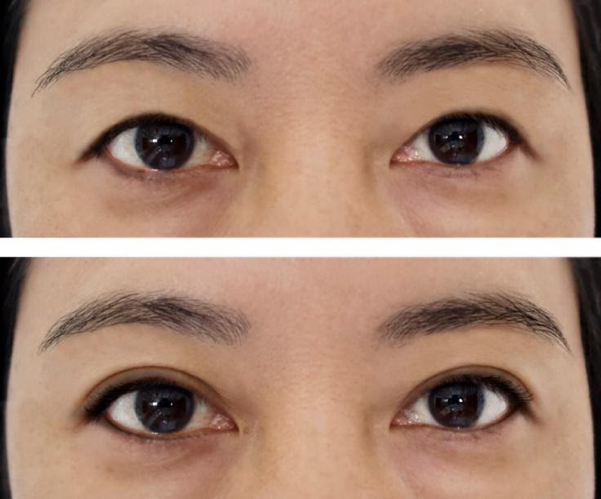
4. Full-Incision Technique: Permanent Structure and Precision
The full-incision method is a more comprehensive approach. A fine incision is made along the planned crease line, allowing the surgeon to remove excess fat or skin and precisely shape the eyelid structure.
How It Works
The crease is formed by directly anchoring the skin to the levator using sutures along the entire lid, not just three points.
Ideal Candidates
-
thicker eyelids
-
puffy upper lids (fatty tissues)
-
drooping skin
-
those wanting a strong, long-lasting crease
-
revision or corrective surgeries
Advantages
-
long-term stability
-
better for shaping, symmetry correction, and customization
-
allows reshaping of fat pads
-
predictable and permanent crease
Possible Drawbacks
-
more swelling and recovery time
-
a small scar that gradually fades
-
higher cost
-
slightly greater risk of prolonged bruising or asymmetry during early healing
Longevity
Considered permanent; results last decades with minimal risk of crease disappearance.
5. How to Choose the Right Technique
Think of the process like choosing between two architectural styles:
One offers lightness and minimalism; the other offers structure and longevity.
Your choice should be based on:
-
eyelid thickness
-
skin elasticity
-
fat volume
-
desired crease shape (parallel, tapered, semi-parallel)
-
lifestyle and downtime availability
-
long-term vs short-term goals
In clinics, surgeons often combine the suture and incision techniques to create hybrid approaches tailored to modern K-beauty preferences.
6. Recovery Expectations
Three-Point Method
-
swelling typically resolves within 3 to 7 days
-
most return to work or school within 2 to 4 days
-
crease softens into a natural shape in 2 to 4 weeks
Full-Incision Technique
-
7 to 14 days for major swelling reduction
-
stitches removed around day 5 to 7
-
full natural settling takes 6 to 12 weeks

7. Risks to Be Aware Of
Both procedures have risks, but rates of complications are low when performed by experienced surgeons.
Possible issues:
-
asymmetry
-
loosening of crease (mostly with suture method)
-
prolonged swelling
-
fold too high or too low
-
visible scarring (rare with incision method when healed properly)
Regular follow-ups significantly reduce long-term problems.
8. Cost Differences (General Trends)
While prices vary by region and clinic:
-
Three-Point Method: lower cost, less complex
-
Full-Incision: higher cost due to surgical time and customization
9. Final Thoughts: Choosing with Clarity, Confidence, and Realistic Expectations
The Korean Three-Point Method embodies modern K-beauty’s love for softness and flexibility. The Full-Incision Technique anchors traditional surgical craftsmanship with precision and permanence.
There’s no universal “best” choice. The right method depends entirely on your anatomy, expectations, and lifestyle.
About the Author