Fat grafting has been around for decades, but over the past ten years, Korean surgeons have transformed it into a new aesthetic standard. What used to be a simple transfer of fat from one area to another has evolved into a highly refined, precise, and natural-looking sculpting technique known as K-Fat Grafting 2.0.
Why do these results look softer, smoother, and more harmonious compared to traditional fat grafting? And why are patients from around the world flying to Seoul for the procedure? The answer lies in technique, technology, and a uniquely Korean philosophy of beauty that prioritizes balance, subtlety, and long-term durability.
The Philosophy Behind K-Fat Grafting
K-Fat Grafting 2.0 is grounded in an aesthetic principle often seen in Korean beauty: enhancement should be noticeable only to you, not to the people around you. The goal is to rebuild volume where aging has hollowed the face, without creating the overly full or “puffy” look sometimes associated with older fat grafting techniques.
Instead of simply filling areas, Korean surgeons aim to:
-
restore youthful contours
-
smooth transitions between facial zones
-
enhance the skin’s quality
-
improve symmetry and subtle proportions
This approach creates an effect that feels like a quiet return to youth, rather than a dramatic transformation.
Key Innovations Behind Korean Fat Grafting 2.0
1. Ultra-Fine Microparticle Fat
One of the most defining features of Korean techniques is the pursuit of ultra-fine, filter-refined fat particles.
Traditional fat grafting uses larger globules of fat, which can sometimes cause:
-
lumpiness
-
uneven texture
-
limited survival rates
Korean clinics often use multi-stage filtration systems that break fat down into finer particles, allowing surgeons to inject smaller, smoother layers. The result is a silky, seamless contour that blends naturally into the surrounding tissue.
2. Multilayered, 3D Micro-Injection
Rather than injecting fat into one or two deep layers, K-Fat Grafting distributes it strategically across multiple micro-layers:
-
deep foundation layer
-
mid-structural layer
-
superficial refining layer
By constructing volume gradually in a 3D pattern, the face maintains:
-
natural movement
-
soft edges
-
stable long-term shape
This technique also supports higher graft survival, as the fat is surrounded by more blood supply.
3. Stem-Cell–Rich Fat Enhancement
Many leading Korean clinics incorporate stem-cell–enriched fat or nanofat into the process.
These components can:
-
improve skin elasticity
-
brighten tone
-
reduce fine lines
-
enhance fat survival
Nanofat is not used for volume but is blended into superficial layers to refine texture and boost radiance, giving patients that signature “K-glow.”
4. Precision Sculpting Tools
K-Fat Grafting 2.0 uses advanced micro-cannulas designed specifically for smooth, controlled injections. These instruments allow surgeons to:
-
sculpt delicate contours
-
avoid vessels and nerves
-
distribute fat evenly
-
reduce bruising and trauma
This refined level of control is essential to creating natural-looking fullness rather than bulky volume.
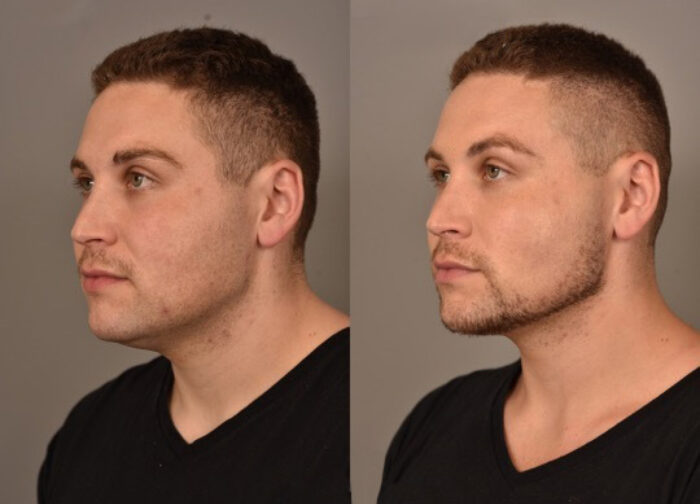
Why Korean Fat Grafting Looks More Natural
A. Emphasis on Contours, Not Volume
Traditional fat grafting often focuses on “filling” hollow spots. Korean surgeons instead treat the overall facial shape, blending fat gently to create a soft, youthful curve from temple to cheek, or from cheek to jawline.
The result feels organic, like the fullness you had years ago.
B. Subtle Correction Over Dramatic Change
Rather than trying to change the face entirely, K-Fat Grafting seeks to enhance your existing features. This avoids the “done,” pillow-face look associated with over-filling.
Patients often describe the results as:
“I look like myself again, just fresher.”
C. Higher Fat Survival Rates
The meticulous layering process, combined with high-quality fat preparation, improves survival rates significantly.
More fat survives, meaning less:
-
overfilling
-
touch-up procedures
-
uneven loss of volume
Stable results naturally look more elegant because they settle smoothly over time.
D. Integration With Korean Skin Rejuvenation
Most Korean clinics complement fat grafting with:
-
laser resurfacing
-
PRP
-
nanofat skin injections
-
light chemical peels
This combination enhances the skin’s clarity and elasticity, creating a youthful surface texture that matches the newly refreshed contours.
Popular Areas Treated With K-Fat Grafting 2.0
1. Forehead
A smooth, rounded forehead is a signature Korean aesthetic. Fat creates natural curvature without the stiffness of implants.
2. Under-Eye Hollows
Ultra-fine fat is ideal for delicate areas, producing a rested and bright appearance without puffiness.
3. Cheeks & Mid-Face
Instead of sharp cheekbones, Korean grafting favors a gentle “apple cheek” shape associated with youth.
4. Temples
Volume loss here makes the face appear older and narrower. Fat grafting restores balance harmoniously.
5. Jawline & Chin
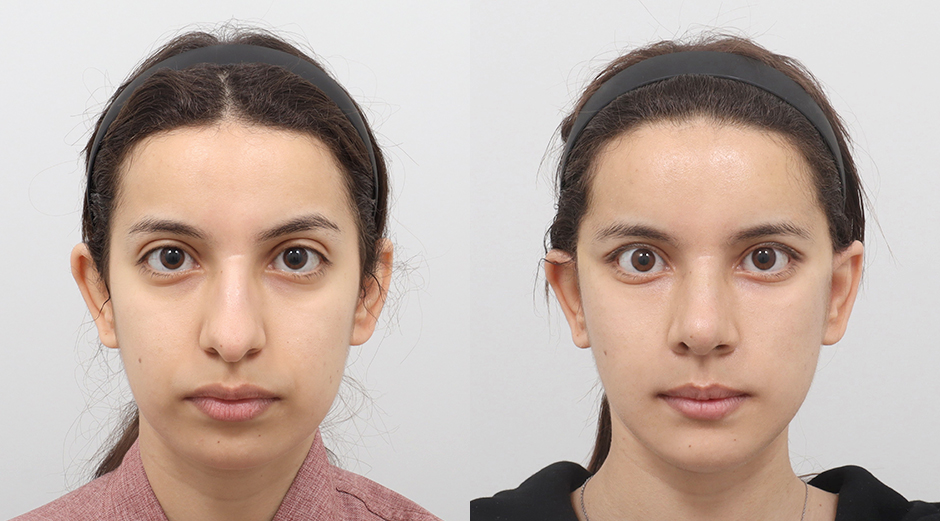
Subtle contouring with micro-fat creates definition while maintaining softness—a natural bridge between bone and soft tissue.
The Recovery Experience
K-Fat Grafting 2.0 is minimally invasive, and recovery is usually smoother than older techniques. Patients typically experience:
-
mild swelling
-
light bruising
-
gradual settling over 2–4 weeks
Because the injections are gentle and layered, bruising tends to be less dramatic, and the contour remains stable as the graft integrates.
Is Korean Fat Grafting Right for You?
You may be a good candidate if you want:
-
natural facial volume
-
no implants or synthetic fillers
-
long-lasting improvement
-
better skin quality
-
a subtle, youthful look rather than dramatic change
It is particularly beneficial for individuals experiencing age-related volume loss or those wanting smoother transitions between facial features.
The Future of Facial Rejuvenation
K-Fat Grafting 2.0 represents a shift in the global beauty industry. Instead of chasing exaggerated volume or artificial sharpness, the trend is moving toward techniques that respect natural anatomy and personalize enhancement. Korean surgeons continue to refine the art with innovations in:
-
regenerative medicine
-
fat purification
-
micro-injection technology
-
long-term aesthetic planning
What’s emerging is not just a procedure but a philosophy: beauty should look effortless, harmonious, and uniquely yours.
Conclusion
Korean Fat Grafting 2.0 has redefined what natural rejuvenation looks like. Through micro-layered injections, refined fat processing, and a deep understanding of facial harmony, Korean surgeons create results that blend seamlessly into the patient’s natural features.
The effect is youthful, soft, and balanced—never artificial, never overdone.
For patients seeking volume restoration that feels like their own face, simply refreshed, Korean fat grafting remains one of the most sophisticated options available today.
About the Author