Plastic pollution in our oceans has become one of the most pressing environmental issues of the 21st century. While it’s easy to focus on large-scale problems like floating garbage patches, the truth is that even a single plastic straw or bag can set off a chain reaction, impacting marine life, food chains, and entire ecosystems. Understanding the scale of the crisis and our role in it is essential for making meaningful change.
This article explores the environmental consequences of plastic pollution, how small items can create big problems, and what individuals and communities can do to protect the oceans.
1. The Scale of the Problem
Each year, over 8 million tons of plastic enter the oceans—roughly the equivalent of a garbage truck dumping a full load every minute. Plastics like bottles, bags, straws, and packaging materials can take hundreds of years to degrade. Instead of disappearing, these materials break down into microplastics, tiny fragments that are nearly impossible to remove.
Even a single straw may seem insignificant, but in reality:
-
The average person uses 1,500 plastic straws per year.
-
Millions of straws are disposed of daily, often ending up in waterways.
-
Once in the ocean, they contribute to larger plastic pollution that affects both surface and deep-water ecosystems.
2. The Domino Effect on Marine Life
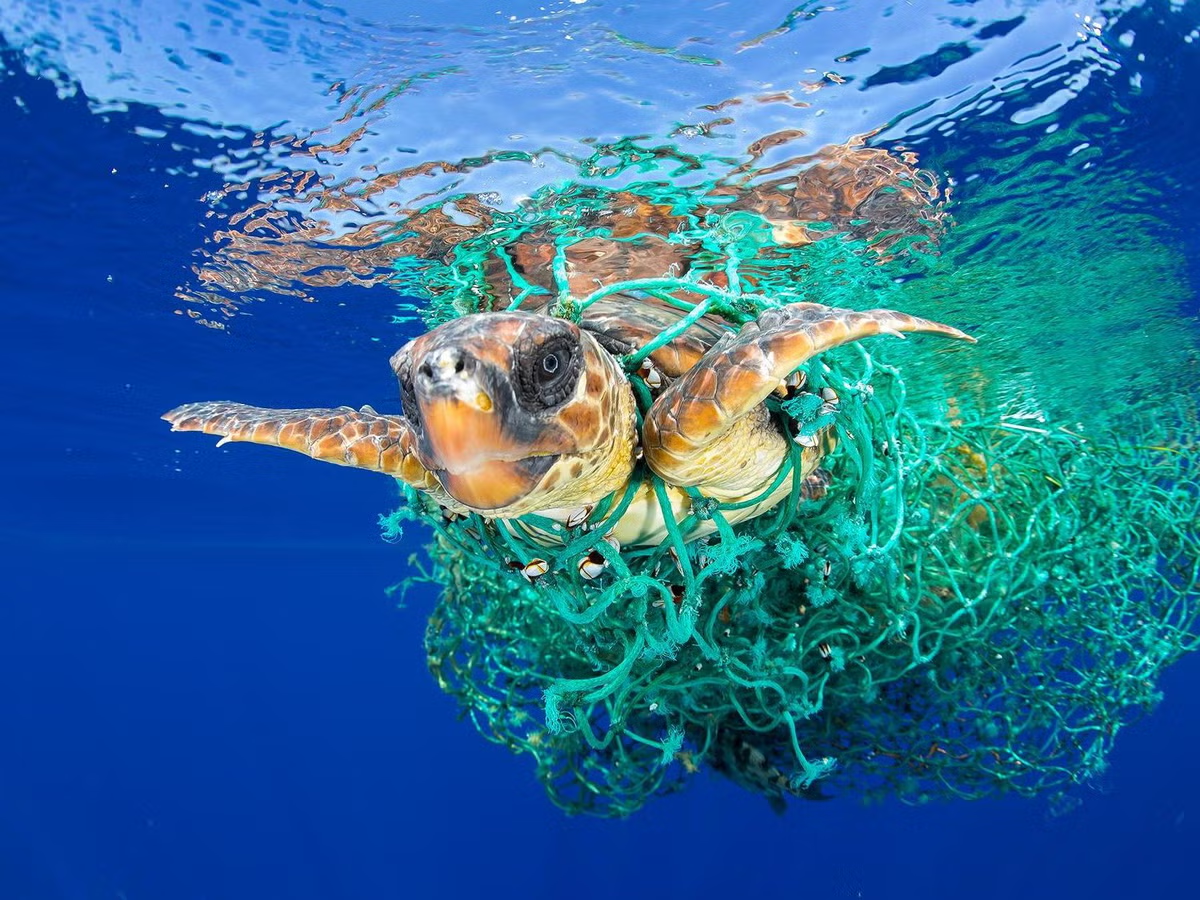
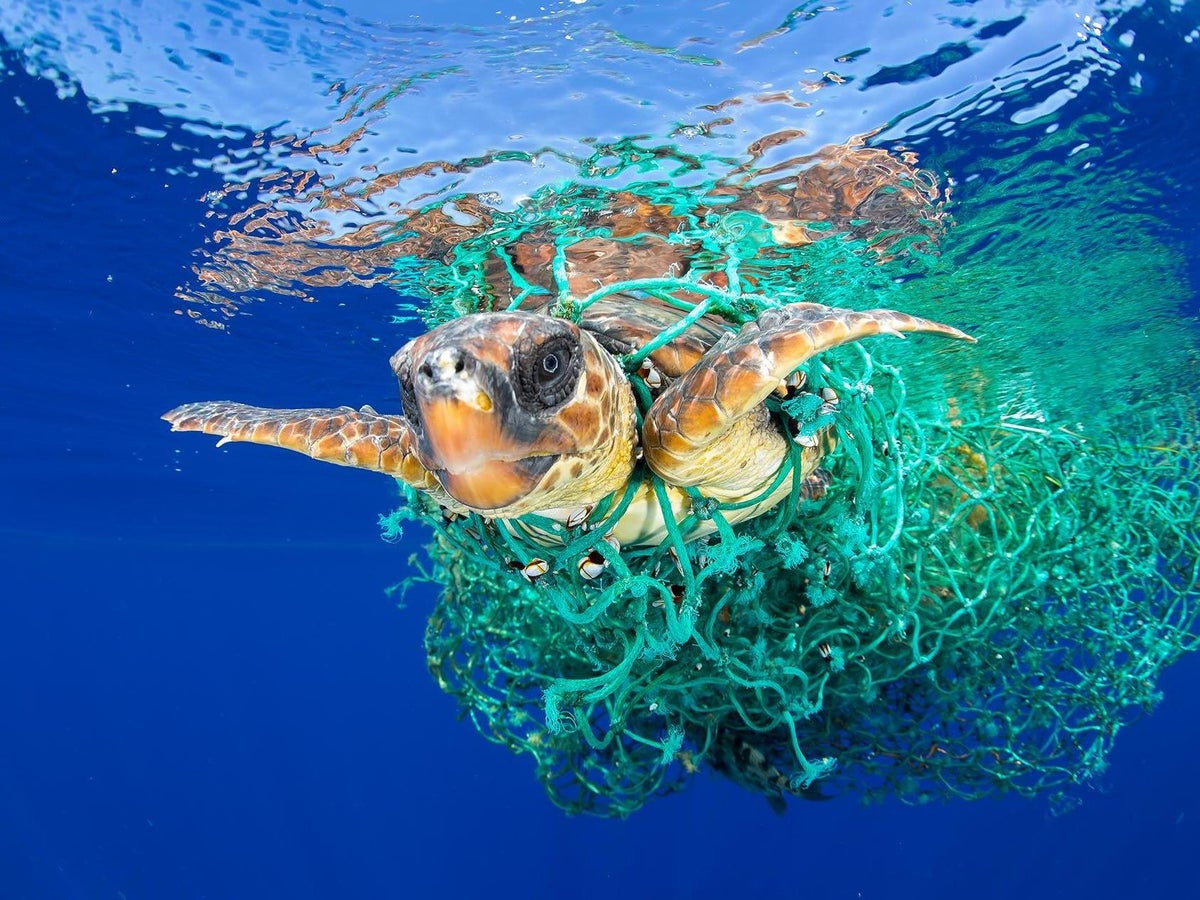
Plastics in the ocean are far more than an eyesore—they are deadly for marine animals. Sea turtles, seabirds, fish, and whales mistake plastic for food. A single straw can cause choking or internal injury, and microplastics ingested by small fish can accumulate in predators higher up the food chain, including humans.
Examples of Impact
-
Sea Turtles: Often mistake plastic bags and straws for jellyfish, leading to intestinal blockages and death.
-
Seabirds: Chicks fed plastic debris often die before reaching maturity.
-
Fish: Microplastics attach to plankton and small fish, transferring toxic chemicals through the food chain.
-
Coral Reefs: Plastics can damage delicate coral structures, reducing biodiversity and reef resilience.
Even the smallest pieces of plastic disrupt natural feeding, reproduction, and migration patterns, affecting entire ecosystems.
3. The Chemical Threat
Plastic isn’t just physical debris—it’s a chemical hazard. Many plastics contain bisphenol A (BPA), phthalates, and other additives that are toxic to marine life. Over time, these chemicals leach into water, harming fish, invertebrates, and plants. Microplastics can absorb additional pollutants from the water, acting as carriers for substances like pesticides and heavy metals.
The consequences are cascading:
-
Toxic accumulation: Microplastics carry toxins into fish and seafood we consume.
-
Disruption of reproduction: Chemicals from plastics can affect hormone regulation in marine species.
-
Ecosystem imbalance: Contaminated species decline, causing shifts in predator-prey relationships.
4. How a Single Straw Becomes a Big Problem
It may sound dramatic, but the journey of a single straw illustrates the gravity of the issue:
-
Discarded Improperly: Thrown in the trash or flushed, it reaches rivers.
-
Travel to Oceans: Carried by storm drains and currents, it enters the sea.
-
Interaction with Wildlife: Ingested by fish, turtles, or seabirds, causing injury or death.
-
Breakdown into Microplastics: Tiny fragments remain suspended, absorbed by plankton, and enter the food web.
-
Accumulation: Over time, thousands of these straws combine with other plastics, contributing to massive debris patches.
One straw is tiny—but multiplied by billions, it becomes a critical threat.
5. Human Responsibility and Action
Individual actions can seem small, but collectively they make a difference:
-
Refuse single-use plastics: Opt for reusable straws, bottles, and shopping bags.
-
Proper disposal and recycling: Make sure plastics don’t escape into waterways.
-
Participate in clean-ups: Community beach or river clean-ups prevent plastic from reaching the ocean.
-
Support legislation: Policies banning or reducing single-use plastics, like straws and bags, can dramatically reduce ocean pollution.
-
Educate and spread awareness: Sharing knowledge about the impact of even small items encourages community action.
6. Innovations and Hope
While the crisis is severe, scientists and entrepreneurs are developing solutions:
-
Biodegradable alternatives: Straws, utensils, and packaging made from cornstarch, bamboo, or seaweed.
-
Ocean cleanup technologies: Machines like the “Ocean Cleanup” project remove floating plastic debris.
-
Microplastic filters: Advanced filters for washing machines and industrial discharge reduce microplastic flow.
-
Circular economy models: Companies now focus on reusable and recyclable packaging to minimize waste at the source.
These innovations show that meaningful change is possible when individual, corporate, and government actions align.
7. Why Immediate Action Matters
Plastic pollution isn’t just an environmental issue—it’s a social and economic one. Fisheries lose revenue, tourism suffers from polluted beaches, and human health is increasingly threatened by microplastic ingestion. Reducing plastic use today protects biodiversity, human health, and the future of the planet.
Even a small shift, like refusing a single straw, is a step toward a larger movement. Every choice counts because the cumulative effect of billions of small decisions shapes the health of the oceans.
Conclusion
The ocean plastic crisis is a wake-up call. From microplastics to single-use straws, the debris in our seas is more than litter—it’s a warning signal from the planet. Understanding the consequences of even seemingly insignificant items is the first step toward meaningful action. By reducing plastic use, supporting sustainable alternatives, and spreading awareness, we can protect marine ecosystems, preserve biodiversity, and ensure that the oceans remain vibrant for generations to come.
The lesson is clear: even a single straw matters.
About the Author