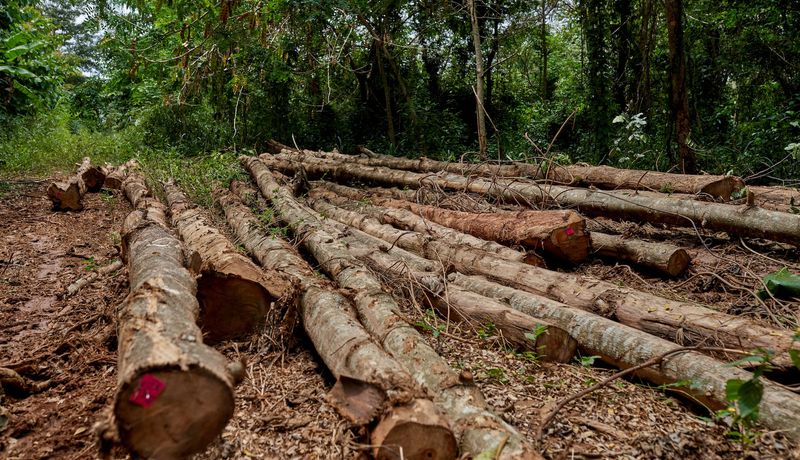
Forests are often described as the lungs of the Earth—and for good reason. They absorb carbon dioxide, release oxygen, stabilize the climate, and provide habitats for countless species. Yet, despite their vital role, deforestation continues at alarming rates, often reduced in public perception to the loss of “just some trees.” In reality, the removal of even a single tree can trigger a cascade of ecological consequences that ripple far beyond its immediate surroundings.
This article explores the subtle but significant effects of deforestation, why it matters to humanity, and what can be done to protect our forests before it’s too late.

1. The Immediate Ecological Consequences
When a tree falls, the most obvious effect is the loss of shade and shelter, but the consequences go much deeper:
-
Soil degradation: Tree roots hold soil in place, preventing erosion. When a tree is removed, topsoil can wash away during rains, reducing fertility.
-
Water cycle disruption: Trees play a key role in water absorption and transpiration. Their loss can lead to decreased rainfall, drier soils, and local drought conditions.
-
Microclimate alteration: A single tree can affect temperature, humidity, and wind patterns in its immediate vicinity, impacting the growth of nearby plants.
-
Habitat loss: Birds, insects, mammals, and fungi that rely on the tree for food, shelter, or breeding are immediately affected.
Even one tree can serve as a keystone element in its ecosystem. Its removal disrupts local biodiversity and ecological balance.
2. Carbon Sequestration and Climate Effects
Forests are critical carbon sinks. Trees absorb carbon dioxide during photosynthesis and store carbon in their trunks, branches, and roots. Cutting down a tree releases stored carbon back into the atmosphere, contributing to greenhouse gas accumulation.
Why One Tree Matters
-
Cumulative impact: While one tree might seem negligible, millions of trees lost worldwide contribute significantly to global warming.
-
Amplified effect: Deforestation reduces the forest’s capacity to absorb CO2, accelerating climate change.
-
Temperature regulation: Trees provide shade and release moisture, cooling their surroundings. Their loss increases local temperatures and can contribute to urban heat islands when deforestation occurs near cities.
Thus, the fall of a single tree is a small but meaningful step in a much larger environmental shift.
3. Biodiversity Consequences
Trees support complex ecosystems. Their loss can lead to immediate and long-term consequences for biodiversity:
-
Species displacement: Animals dependent on the tree may migrate, exposing them to predators or human conflict.
-
Food chain disruption: Loss of leaves, fruits, or seeds affects herbivores, which in turn affects carnivores.
-
Genetic bottleneck: Removing mature trees reduces the diversity of seeds and genetic material for future generations.
Even isolated deforestation can fragment habitats, reducing connectivity and resilience of wildlife populations.
4. Water and Soil Implications
Trees influence hydrological cycles and soil health in ways that aren’t immediately visible:
-
Water retention: Tree roots help soil retain water, reducing runoff and preventing flash floods.
-
Nutrient cycling: Leaves and organic matter enrich the soil; removing trees interrupts this natural fertilization process.
-
Groundwater recharge: Trees aid in maintaining groundwater levels, essential for surrounding communities and agriculture.
Without trees, soils become more acidic, compacted, and less able to support new vegetation, creating long-term degradation.
5. Socioeconomic Impacts
Deforestation affects humans just as much as wildlife:
-
Livelihood loss: Many communities rely on forests for food, medicine, and raw materials. Losing even a single tree can impact these resources locally.
-
Agricultural challenges: Soil erosion and water imbalance reduce crop yields, affecting farmers’ income.
-
Increased natural disasters: Flooding, landslides, and droughts become more frequent when tree cover is removed.
These effects highlight that deforestation is not just an environmental issue—it’s a human concern with direct economic and social implications.
6. Solutions and Preventive Measures
Addressing deforestation requires global, national, and individual action:
-
Reforestation and afforestation: Planting trees restores ecosystems and carbon sinks.
-
Sustainable logging practices: Selective logging, reduced-impact harvesting, and certification programs protect critical habitats.
-
Policy enforcement: Strict laws and monitoring prevent illegal logging and incentivize conservation.
-
Community engagement: Local communities can be empowered to protect forests while benefiting economically from sustainable practices.
-
Individual action: Reducing paper use, supporting sustainable products, and advocating for forest protection all make a difference.
Even small actions can cumulatively mitigate the hidden impact of tree loss.
7. The Bigger Picture
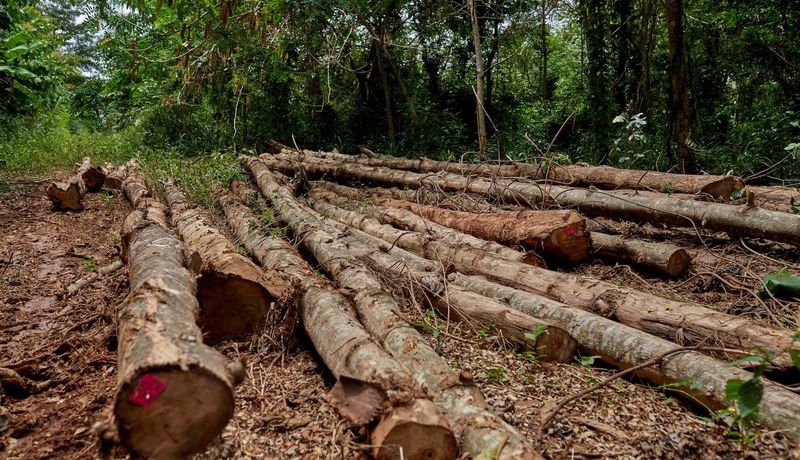
The fall of a single tree might seem inconsequential—but when multiplied across millions of trees, the consequences are staggering. Forests regulate climate, sustain biodiversity, stabilize soils, and support human livelihoods. Protecting them requires acknowledging the importance of every tree, no matter how small it may seem.
The next time a tree falls, consider the ripple effect it has on the ecosystem, the climate, and even human life. Preserving forests is not a distant goal—it’s a necessity for the health of the planet and for generations to come.
Conclusion
Deforestation is more than just a visible removal of trees—it’s a complex disruption of life, climate, and human society. From soil erosion and water imbalance to carbon emissions and biodiversity loss, each tree plays an irreplaceable role in maintaining ecological stability.
The fight to protect forests is urgent. By understanding the hidden impact of each fallen tree and supporting sustainable practices, we can slow the rate of loss, restore ecosystems, and safeguard the natural systems that sustain life on Earth.
About the Author