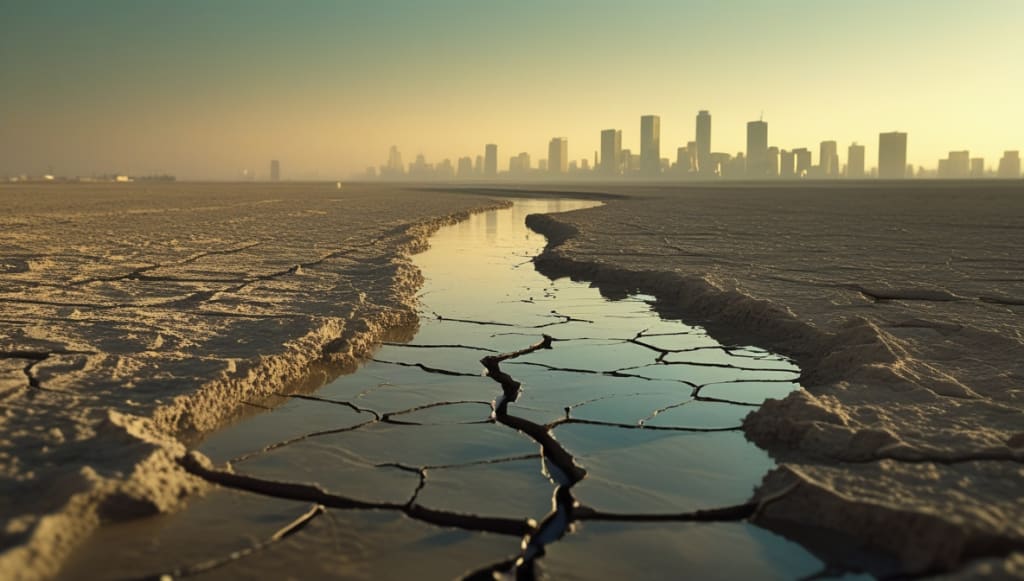
Water is essential to life. Yet, in an era of rapid population growth, climate change, and increasing industrial demands, water scarcity is becoming a critical global concern. According to the United Nations, over 2 billion people currently live in countries experiencing high water stress, and by 2050, this number could rise dramatically. The question is no longer just about drinking water or agriculture—it is also about national security. Could conflicts over water resources spark the next major war? Understanding the causes, risks, and potential solutions is crucial for both policymakers and global citizens.
The Global Water Crisis
Water scarcity is driven by a combination of environmental, economic, and social factors. Some of the most pressing contributors include:
-
Climate change: Rising temperatures, melting glaciers, and changing rainfall patterns reduce freshwater availability.
-
Population growth: Expanding urban centers increase water demand for domestic, industrial, and agricultural purposes.
-
Pollution: Contaminated rivers, lakes, and groundwater limit the usable supply of freshwater.
-
Inefficient usage: Outdated irrigation techniques, excessive groundwater extraction, and wasteful practices exacerbate shortages.
Regions already experiencing stress include the Middle East, North Africa, South Asia, and parts of sub-Saharan Africa. Even countries traditionally considered water-rich, such as the United States and Australia, face localized shortages during droughts or extreme weather events.
Water as a Geopolitical Tool
Historically, access to water has influenced the rise and fall of civilizations. Today, water scarcity has significant geopolitical implications. Countries that share rivers, lakes, or aquifers may experience tension when upstream nations control water flow.
Key examples include:
-
The Nile River Basin: Ethiopia’s Grand Renaissance Dam has sparked tension with Egypt and Sudan, both of which rely heavily on Nile waters for agriculture and drinking supplies.
-
The Tigris-Euphrates River System: Turkey, Syria, and Iraq face disputes over water allocation, complicated by dam projects and droughts.
-
The Indus River: India and Pakistan have a long-standing treaty governing shared water, but growing population pressures and climate change put stress on these agreements.
In such contexts, water becomes more than a resource—it is a strategic asset that can influence diplomacy, trade, and national security.
Could Water Trigger the Next War?
Experts warn that water scarcity could contribute to armed conflict in the coming decades. The World Economic Forum lists water crises as one of the top global risks, highlighting the potential for disputes between nations or even internal conflicts within water-stressed regions.
There are several ways water scarcity could lead to conflict:
-
Transboundary tensions: When rivers or lakes cross borders, upstream usage can limit downstream access, creating friction.
-
Resource-driven migration: Communities displaced by water shortages may migrate, leading to social tensions and potential conflict in receiving areas.
-
Economic pressure: Countries dependent on agriculture or energy production may experience reduced output, triggering instability.
-
Competition over aquifers: Groundwater, a critical source for millions, is often shared between countries without clear governance, making disputes likely.
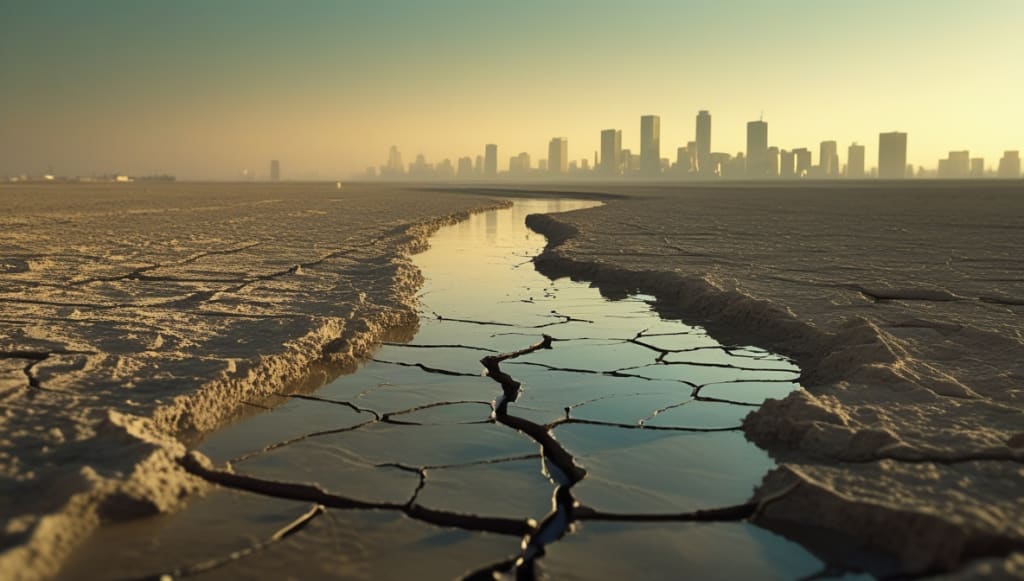
While outright wars over water are rare today, localized skirmishes, sabotage of infrastructure, and diplomatic conflicts are already occurring in several parts of the world. Experts argue that proactive measures are necessary to prevent water scarcity from escalating into full-scale conflicts.
Strategies for Preventing Water Wars
Global water security requires coordinated action across multiple levels. Some key strategies include:
1. Sustainable Water Management
-
Implementing efficient irrigation and water recycling systems in agriculture
-
Encouraging domestic and industrial water conservation
-
Reducing water pollution to maximize usable supply
2. Transboundary Agreements
-
Strengthening international treaties governing shared rivers, lakes, and aquifers
-
Promoting joint water management committees and data sharing
-
Building diplomatic frameworks that prioritize cooperation over conflict
3. Technological Innovation
-
Desalination of seawater to supplement freshwater supply
-
Smart water grids and sensors to monitor usage and leakage
-
Cloud seeding and rainwater harvesting in drought-prone areas
4. Education and Public Awareness
-
Informing communities about water conservation practices
-
Promoting sustainable consumer habits
-
Encouraging corporate responsibility in industrial water use
5. Climate Change Mitigation
-
Reducing greenhouse gas emissions to limit extreme weather events
-
Protecting watersheds and wetlands that regulate water flow
-
Investing in adaptive infrastructure to handle floods and droughts
Case Studies: Success Stories
Some cities and countries demonstrate how proactive measures can mitigate water stress:
-
Singapore: A leader in urban water management, Singapore uses a combination of desalination, recycled water, and rainwater harvesting to meet its needs.
-
Israel: Advanced irrigation technology and water recycling enable Israel to maintain agriculture in a semi-arid climate.
-
Netherlands: Innovative flood control and water storage systems manage both scarcity and excess water, demonstrating adaptability.
These examples show that with innovation, governance, and foresight, countries can secure water resources and reduce the risk of conflict.
Conclusion
Water scarcity is no longer just an environmental concern—it is a geopolitical, social, and economic challenge that could shape the 21st century. While the idea of wars fought solely over water remains speculative, the risk of tension, conflict, and instability driven by water shortages is very real.
Preventing such crises requires a combination of sustainable resource management, international cooperation, technological innovation, and climate action. By addressing water scarcity proactively, humanity has the chance to transform a potential source of conflict into an opportunity for collaboration, innovation, and global resilience.
As the world moves forward, one fact is clear: water is not just life—it is peace, prosperity, and security. Protecting it is in everyone’s interest.
About the Author