In the quiet hours before dawn, cities often reveal a hidden layer of life. While humans sleep, urban landscapes become highways, kitchens, playgrounds, and hunting grounds for a growing range of wildlife. Foxes weave between parked cars, wild boars inspect overflowing bins, and pigeons flutter across rooftops like self-appointed landlords. These animals are not just passing through — they are adapting, evolving, and thriving in environments built for us.
Below is a closer look at how three species have mastered city living, transforming themselves into unexpected cohabitants of modern urban life.
Foxes: The Nighttime Strategists
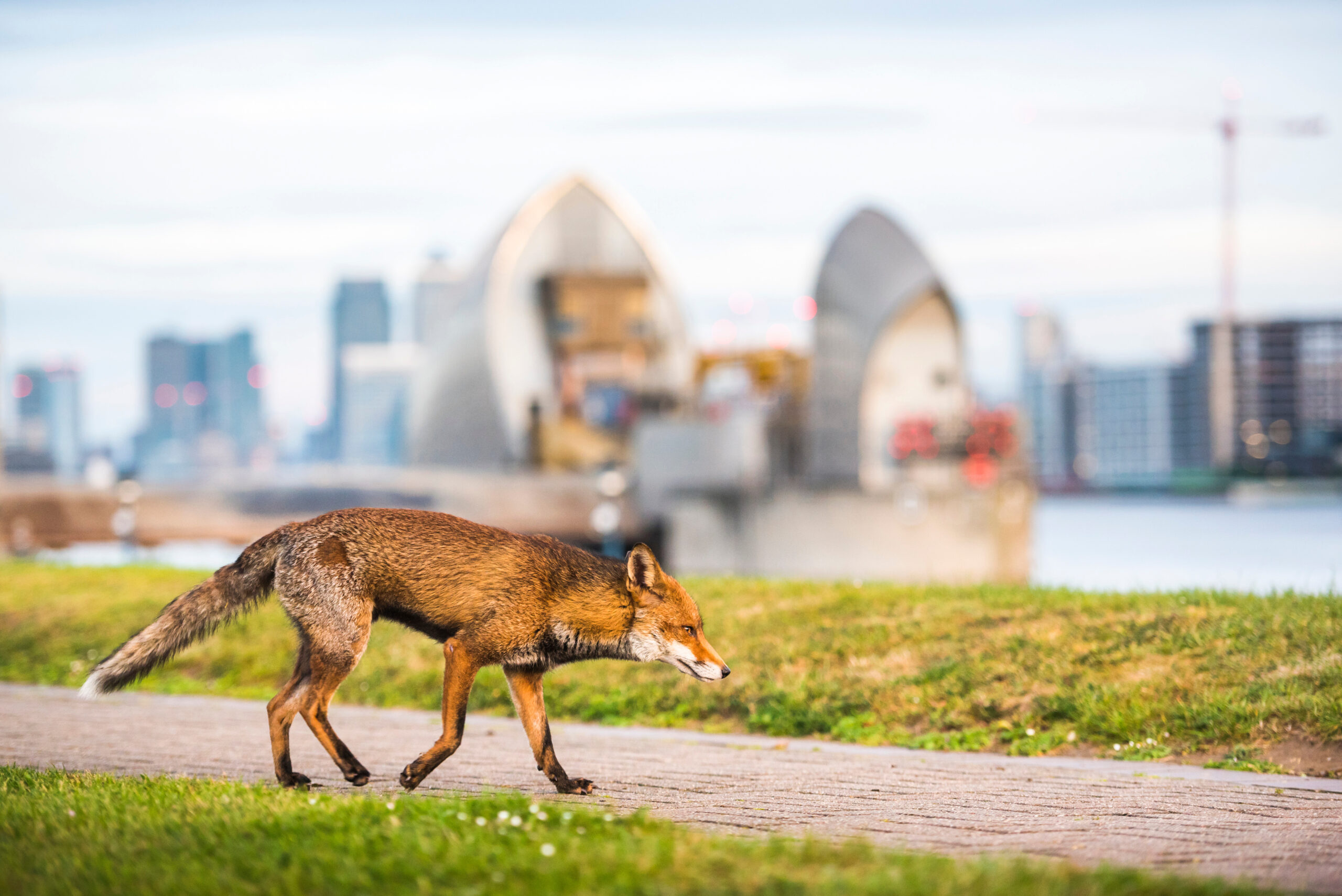
Red foxes have become unofficial residents of many cities in Europe, North America, and Asia. Far from being confused wanderers, they navigate urban neighborhoods with precision.
How They Thrive:
-
Flexible Diet. Foxes treat cities as open buffets. Fruit dropped from markets, leftover takeout, rodents hiding in alleys — all become opportunities.
-
Road-Map Intelligence. Foxes learn traffic patterns and safe routes, often using quiet side streets like personal corridors.
-
Den Innovations. Abandoned sheds, gaps under porches, construction debris — these become cozy dens perfect for raising cubs.
Their ability to analyze risk, remain nocturnal, and stay unseen allows them to fit smoothly into the human-built world.
Wild Boars: The Bold Urban Foragers
Of all city animals, wild boars might be the most surprising. From Berlin to Tokyo, sightings of boars confidently strolling through residential streets have increased sharply in the past decade.
Why They Move into Cities:
-
Food Predictability. Urban garbage, compost, and food scraps are more reliable than forest foraging, especially during dry seasons.
-
Lack of Predators. Natural predators are rare in cities, giving boars freedom to roam without fear.
-
Adapted Behavior. Once wary and elusive, boars now recognize that humans often feed them — intentionally or accidentally.
While they generally avoid direct confrontation, their size and strength pose risks, making proper waste management and public awareness essential in boar-heavy urban zones.
Pigeons: The Sky Architects of the City
Pigeons are perhaps the most iconic urban species. They are not accidental residents; cities mimic the cliffs and ledges these birds historically lived on.
Urban Adaptation Highlights:
-
High-Rise Nesting. Building facades and bridge beams provide ideal nesting spots, protected from predators and weather.
-
Human-Driven Food Sources. Pigeons have all but mastered the art of scavenging, exploiting everything from sidewalk crumbs to public feeding.
-
Year-Round Reproduction. With abundant food and mild microclimates created by concrete and ventilation, pigeons can breed continuously throughout the year.
Though often dismissed as “city birds,” pigeons are actually biological success stories, molded perfectly to the rhythms of urban living.
Why Urban Wildlife Matters
The presence of wildlife in cities is more than a curiosity. It reflects deeper shifts:
-
Climate change pushing animals toward stable food sources.
-
Urban expansion into former wildlife habitats.
-
Ecosystem adaptability showcasing nature’s resilience.
These species serve as a reminder that the modern city is not a sealed box but part of a larger ecological network that responds to every change we create.
Finding a Balance: Humans and City Wildlife
As more animals enter cities, coexistence becomes both a challenge and an opportunity. Responsible waste management, thoughtful urban planning, and public education can reduce conflict while supporting biodiversity.
When foxes slip through alleyways, wild boars trot beneath streetlights, and pigeons monitor intersections from their rooftop thrones, they are telling us something: nature is never far away. Even in the most concrete-heavy neighborhoods, life finds a crack, pushes through, and claims its place.
Urban wildlife is not a glitch. It is a growing chapter in the story of modern cities — one in which humans are no longer the only protagonists.
About the Author