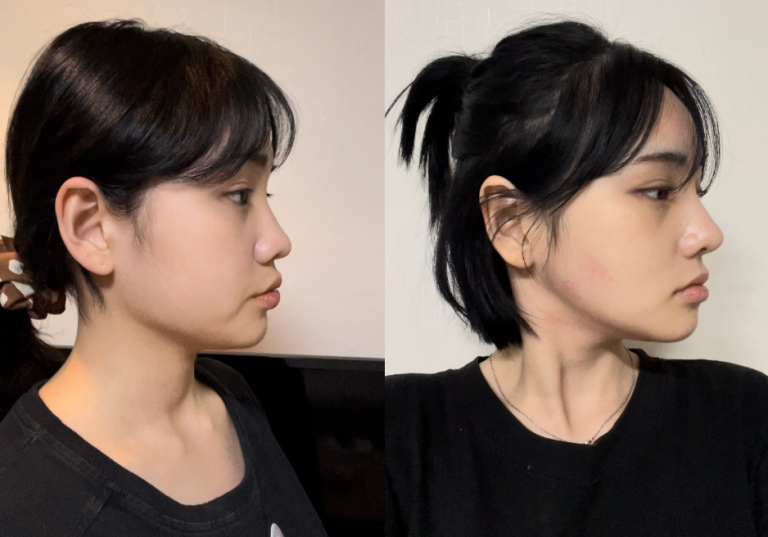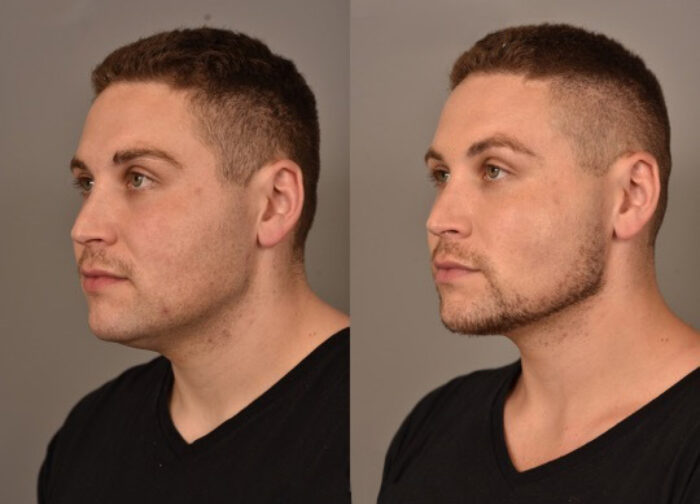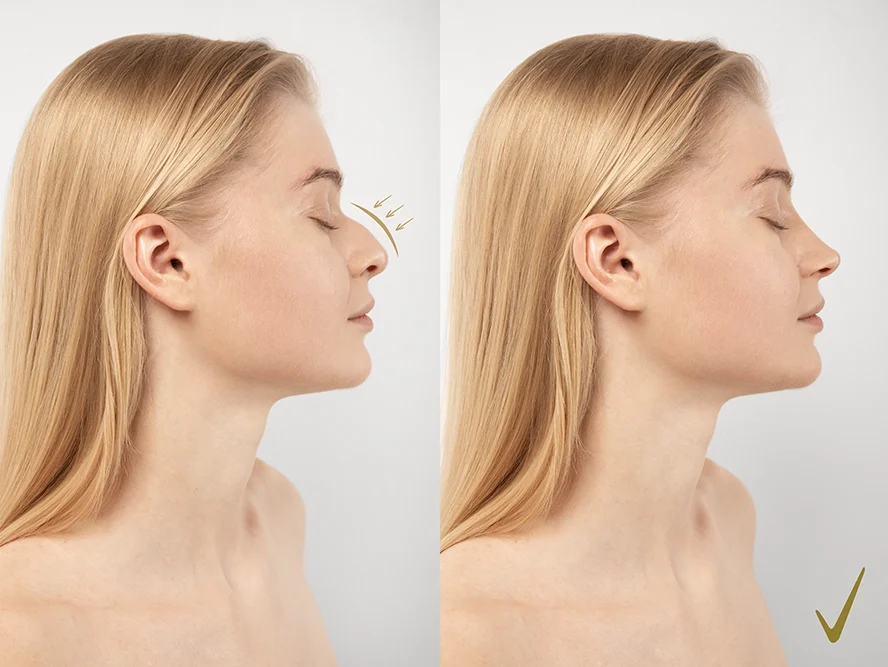
Rhinoplasty is one of the most in-demand cosmetic procedures worldwide, blending artistry with surgical precision to reshape the nose, improve breathing, or restore facial proportions. According to the American Society of Plastic Surgeons (2024), rhinoplasty consistently ranks among the top five cosmetic surgeries, with strong demand from both men and women seeking refined yet natural results.
This guide walks you through the full journey: pre-operative evaluation, surgical methods, recovery expectations, and essential aftercare.
1. Understanding Rhinoplasty: What the Procedure Can (and Cannot) Do
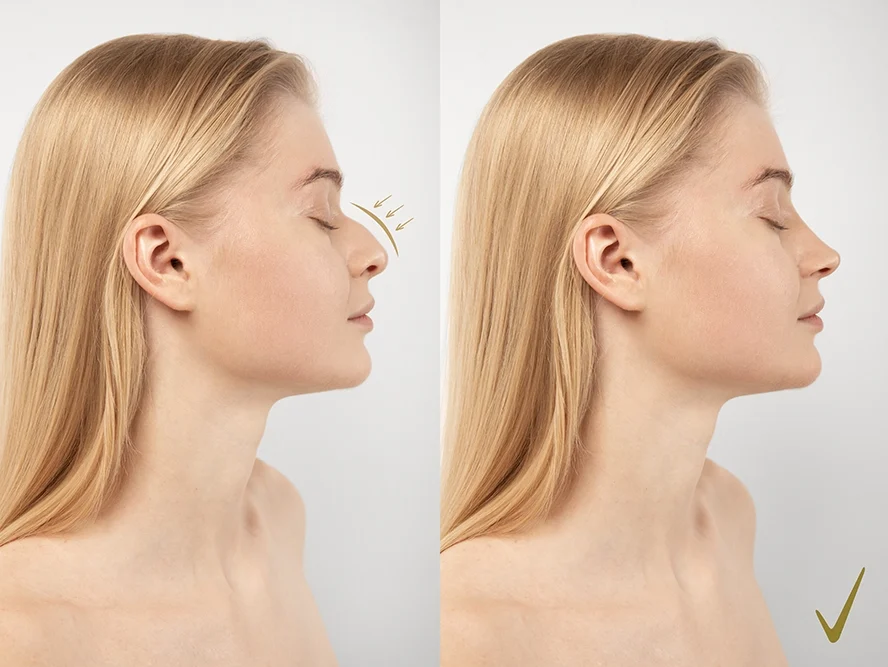
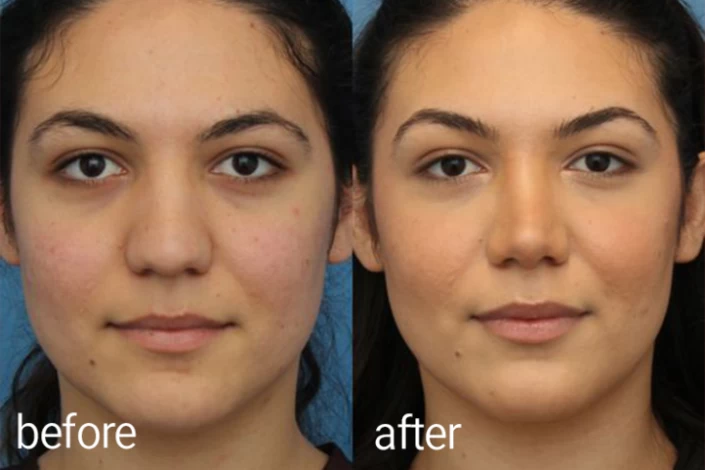
Rhinoplasty is designed to adjust the structure of the nose by reshaping bone, cartilage, and soft tissue. Patients pursue the procedure for different reasons:
Aesthetic Improvements
-
Smoothing a dorsal hump
-
Reducing a bulbous or wide tip
-
Refining nostril width
-
Enhancing symmetry
-
Adjusting overall proportions to harmonise the face
Functional Benefits
-
Correcting a deviated septum
-
Improving airflow
-
Fixing post-trauma deformities
Limitations
A rhinoplasty cannot create a nose that defies your facial anatomy. A skilled surgeon aims for balance, not perfection, which is why pre-op planning is essential.
2. Pre-Operative Assessment: The Most Crucial Step
Before surgery, your surgeon conducts a detailed evaluation to determine suitability and create a personalised plan.
Full Facial Assessment
The nose is evaluated in relation to:
-
mid-face structure
-
chin projection
-
cheek volume
-
brow shape
A nose that “fits” the face looks more natural than one that follows a trend.
Medical History Review
You’ll discuss:
-
breathing issues
-
allergies
-
previous nasal surgeries
-
history of trauma
-
medication use
This helps the surgeon plan safe anaesthesia and minimize complications.
Imaging & 3D Simulation
Many clinics now use 3D imaging to show predicted outcomes. This helps you and the surgeon align expectations and avoid misunderstandings.
Preparing for Surgery
Your surgeon may advise:
-
stopping blood-thinning medications
-
avoiding supplements like ginseng, fish oil, and vitamin E
-
stopping smoking 3 to 4 weeks before surgery
-
maintaining good skin condition
3. Open vs. Closed Rhinoplasty: Choosing the Right Technique
There are two main surgical approaches, each suited to different goals.
Open Rhinoplasty
The surgeon makes a small incision at the columella (the skin between the nostrils), lifting the skin to fully expose nasal structures.
Best for:
-
significant reshaping
-
complex tip correction
-
revision rhinoplasty
-
crooked noses
Benefits:
-
precise control
-
predictable outcomes
-
ideal for detailed surgical work
Closed Rhinoplasty
Incisions are made inside the nostrils, leaving no external scar.
Best for:
-
mild to moderate reshaping
-
dorsal hump reduction
-
patients needing faster recovery
Benefits:
-
shorter surgery time
-
minimal swelling
-
no visible scar
Your surgeon selects the technique based on anatomy, not preference alone.
4. What Happens During Rhinoplasty Surgery
Most procedures last 1.5 to 3 hours, depending on complexity.
Common Surgical Steps
-
reshaping cartilage to refine the tip
-
shaving or repositioning nasal bone for dorsal correction
-
adding grafts (from septum or ear) to support structure
-
correcting a deviated septum
-
narrowing the nostrils if needed
The goal is to preserve nasal function while achieving a natural, stable shape.
Types of Grafts Used
-
septal cartilage (most common)
-
ear cartilage for delicate or revision work
-
rib cartilage for major reconstruction
Grafts support long-term stability and prevent collapse.
5. The First Week After Surgery: What to Expect
Patients usually go home the same day. The first week is the most intense but manageable with proper care.
Day 1-3
-
swelling and stuffiness
-
mild bleeding
-
bruising under the eyes
-
nasal pressure or tightness
Cold compresses help reduce swelling.
Day 4-7
-
breathing improves gradually
-
bruising begins to fade
-
stitches (if external) may be removed
-
splint is removed around Days 6-8
Most patients feel comfortable returning to desk work after one week.
6. Full Recovery Timeline: From Weeks to Months
Rhinoplasty heals in layers. Some improvements appear quickly, but full refinement takes time.
Weeks 2-4
-
swelling continues to decrease
-
most bruising disappears
-
light exercise is allowed
Months 1-3
-
tip becomes more defined
-
breathing feels easier
-
residual swelling persists but is mild
Months 6-12
-
final results become visible
-
tip refinement and symmetry improve
-
most internal healing complete
Patience is essential. Nasal cartilage settles slowly, especially in thick-skinned patients.
7. Essential Post-Op Care Tips for the Best Results
(1) Avoid Blowing Your Nose
Use gentle saline spray to clear dryness.
(2) Sleep with Your Head Elevated for 2 Weeks
This reduces swelling significantly.
(3) Avoid Glasses for 4-6 Weeks
They may deform healing nasal bones. Use special support pads if necessary.
(4) Protect Your Nose from Sun Exposure
UV rays can worsen swelling and cause pigmentation.
(5) Avoid High-Intensity Exercise for 3-4 Weeks
Heavy activity can increase pressure and bleeding risk.
(6) Follow All Check-Ups
Your surgeon monitors the healing of cartilage, grafts, and internal structures.
8. Real-Life Examples: How Different Patients Benefit
Case 1: Aesthetic + Functional Fix
A 29-year-old with a crooked nose and breathing issues underwent open rhinoplasty with septal correction. After 3 months, both airflow and facial symmetry improved.
Case 2: Subtle Refinement
A 24-year-old woman received closed rhinoplasty for a slight dorsal hump. She returned to work in 5 days with minimal swelling.
Case 3: Revision Rhinoplasty
A 35-year-old previously over-reduced tip required cartilage grafts from the ear. After 12 months, the nose looked natural and stronger.
Conclusion
Rhinoplasty is not just about changing the shape of the nose; it is a highly personalized surgical journey that balances aesthetics, structure, and function. With the right surgeon, thorough pre-op planning, and diligent post-op care, patients can achieve natural, stable, and long-lasting results.
About the Author