In recent years, headlines about hurricanes, floods, wildfires, and heatwaves seem almost daily. These extreme weather events are no longer rare anomalies—they are becoming a recurring reality. Scientists warn that our planet is sending urgent signals, and understanding them is crucial for both our safety and the health of the environment.
This article explores why extreme weather is intensifying, what these events reveal about our planet’s health, and how individuals and communities can respond effectively.
1. The Rising Frequency of Extreme Weather
Extreme weather is not just about inconvenience; it’s about measurable shifts in climate patterns. According to the World Meteorological Organization, the number of severe weather events has increased dramatically over the past few decades:
-
Heatwaves are occurring more frequently and lasting longer.
-
Heavy rainfall events are increasing, causing unprecedented floods.
-
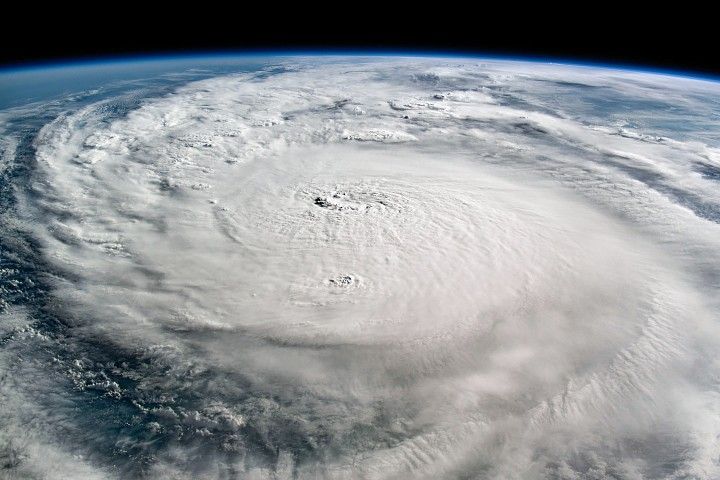
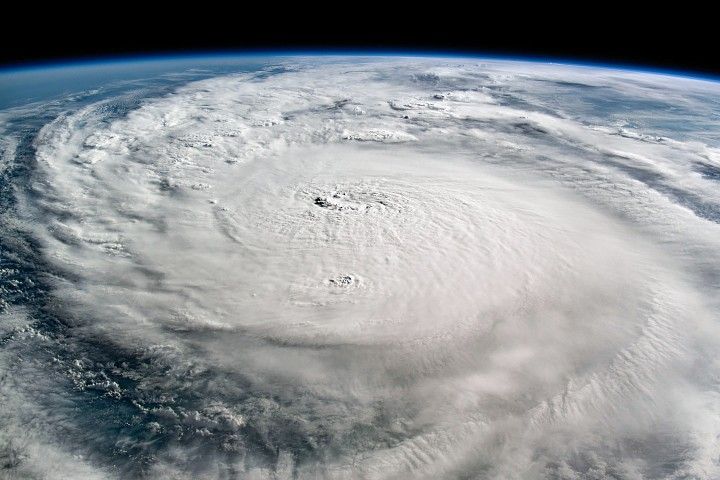
Hurricanes and typhoons are becoming more intense.
-
Droughts and wildfires are spreading to previously unaffected regions.
These trends are not random. Scientists attribute them largely to human-induced climate change, including greenhouse gas emissions and deforestation. The Earth’s systems are responding, and these extreme events act as natural warning signs.
2. What Extreme Weather Tells Us About the Planet
A Planet Under Stress
The increase in heatwaves and wildfires signals that global temperatures are rising faster than ecosystems can adapt. Plants, animals, and even humans are struggling to cope with higher temperatures, reduced water availability, and shifting habitats.
Ocean and Atmosphere Warnings
Rising sea surface temperatures fuel stronger storms. Warmer oceans increase the intensity of hurricanes and typhoons, while melting polar ice disrupts global ocean currents, affecting weather patterns worldwide. When rivers flood and coasts erode, these are visible markers of deeper systemic changes.
Feedback Loops
Extreme weather is part of a feedback loop: droughts weaken vegetation, releasing carbon into the atmosphere; floods destroy soils, reducing carbon absorption; wildfires release massive amounts of CO2. Each event accelerates the next, creating an escalating chain reaction.
3. Human and Economic Costs
Extreme weather is no longer just an environmental concern—it’s a social and economic one.
-
Human toll: Thousands of lives are lost annually to floods, heatwaves, and storms. Mental health is also affected as communities face displacement and trauma.
-
Economic impact: Infrastructure damage, crop failures, and property loss cost billions globally. Insurance industries are reporting record payouts, and governments face increasing emergency spending.
-
Inequality: Vulnerable communities without access to resources bear the brunt, highlighting social disparities in disaster preparedness.
4. What Can Individuals Do?
While systemic change is essential, individual actions can also make a difference:
-
Reduce carbon footprint: Use energy-efficient appliances, reduce car travel, and adopt renewable energy sources where possible.
-
Stay informed and prepared: Monitor local weather alerts, maintain emergency kits, and understand evacuation routes.
-
Support sustainable practices: Choose products with lower environmental impact and support policies addressing climate change.
-
Invest in resilience: Homes and communities can implement flood defenses, firebreaks, and green infrastructure to mitigate damage.

5. The Role of Governments and Policy
Addressing extreme weather requires coordinated action on multiple levels:
-
Infrastructure planning: Cities need to adapt to rising sea levels and more intense storms.
-
Disaster response: Governments should improve emergency systems and early-warning technology.
-
Climate policies: National commitments to reducing emissions, reforestation, and renewable energy are essential.
-
International collaboration: Climate change is global; no country can tackle it alone.
6. Understanding the Warning Signs
Every hurricane, flood, wildfire, or drought is a signal from the Earth. Scientists emphasize that these events are not isolated accidents but symptoms of a larger imbalance:
-
Frequency and severity indicate that the climate system is destabilizing.
-
New patterns (heatwaves in traditionally cool regions, rain in desert areas) show that old assumptions about climate no longer hold.
-
Ecosystem shifts warn us that biodiversity is under threat, which ultimately affects food security, water supply, and human health.
By interpreting these signs early, societies can implement adaptive measures and prevent catastrophic outcomes.
7. Looking Forward: Adaptation and Responsibility
While extreme weather can seem overwhelming, it also presents an opportunity for change. Individuals, communities, and governments can work together to reduce risk and build resilience. Steps include:
-
Urban planning that integrates green spaces to manage heat and water
-
Agricultural methods that conserve water and soil
-
Renewable energy adoption to reduce future warming
-
Education campaigns to foster awareness and preparedness
Every extreme weather event is a message. By listening carefully and acting decisively, humanity can respond to these warnings and reduce future harm.
Conclusion
Extreme weather is more than a headline—it’s a wake-up call. Hurricanes, heatwaves, floods, and wildfires are signals from a planet under stress. Understanding their patterns, responding with individual and collective action, and pushing for systemic environmental solutions are key to adapting to this new reality. The Earth is speaking; the question is whether we are listening.
About the Author