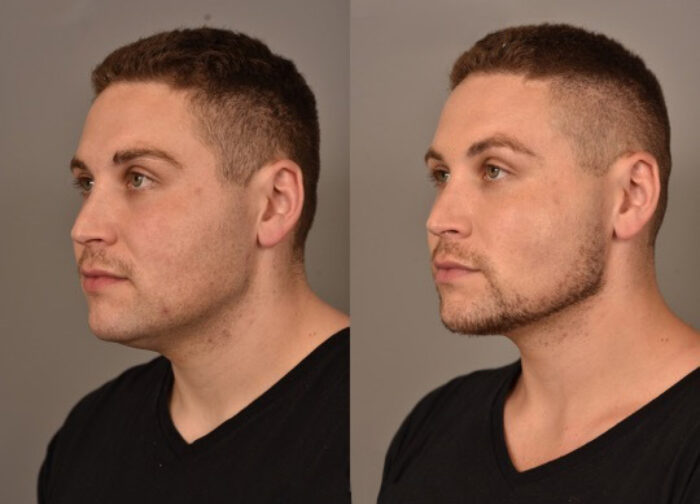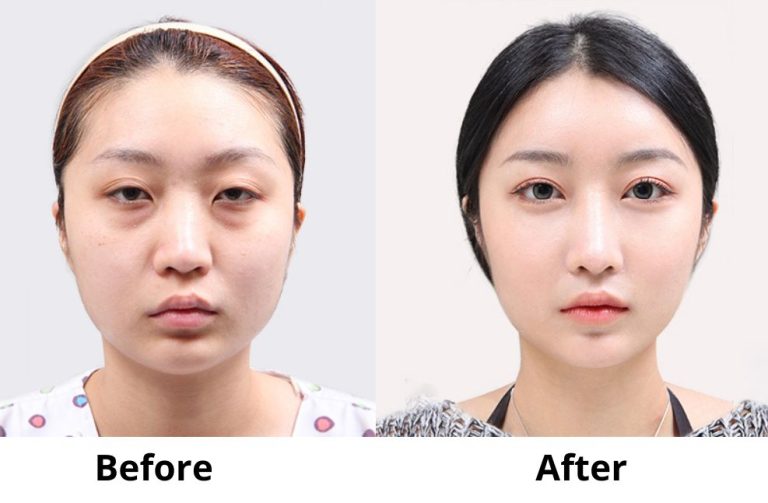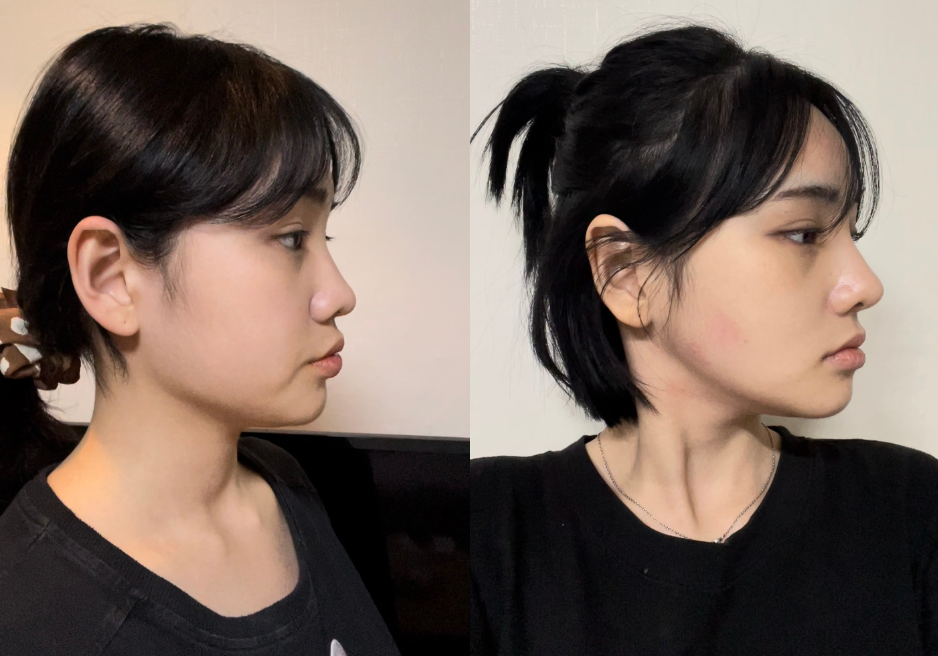
In South Korea’s aesthetic world, jawline contouring has evolved into a signature craft. The so-called V-line surgery, designed to sculpt a sharper, more refined lower face, has become one of the most recognized procedures in modern medical aesthetics. Yet behind the iconic V-shape lies a precise combination of bone contouring, surgical skill, and careful patient selection. This guide walks you through how the procedure actually works, what results to expect, and how to prepare before taking the leap.
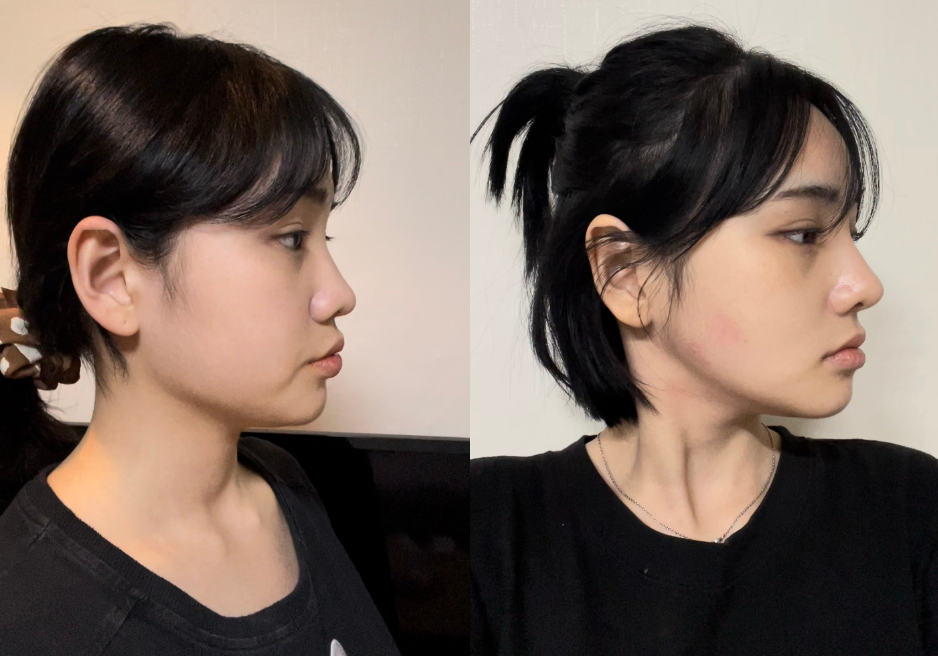
1. What Exactly Is V-Line Surgery?
V-line contouring is a combined facial bone reshaping procedure involving:
-
Mandibular angle reduction (slimming the sides of the jaw)
-
Chin narrowing or length reduction (genioplasty)
-
Overall contour smoothing for a more tapered lower face
Think of it as architectural redesign for the lower third of the face: the angles are softened, the width is reduced, and the chin becomes a more elegant focal point. Korean clinics refined this technique during the 2000s, leading to its global recognition.
Why it’s so popular in Korea
South Korean aesthetics emphasize a balanced and delicate facial silhouette. Surveys from the Korean Association of Plastic Surgeons show jawline contouring remains among the top five most requested bone surgeries annually. Clients seek:
-
A slimmer, more defined profile
-
A younger and more harmonious face shape
-
A permanent contour change that fillers or Botox cannot achieve
2. How V-Line Surgery Works: Step-by-Step
This procedure is far more complex than a simple reduction. Here’s the typical workflow:
Step 1: 3D CT Scan and Digital Facial Mapping
Before surgery, you undergo:
-
3D CT imaging
-
Bite alignment evaluation
-
Facial ratio measurements
These help the surgeon shape a safe and aesthetic plan, ensuring the bone cuts avoid nerves and meet your symmetry goals.
Step 2: Mandibular Angle Reduction
The surgeon reshapes the wide or prominent jaw angles from the inside of the mouth. The bone is carefully trimmed to reduce width and remove any “boxy” feel. The cuts are curved, not straight, to avoid unnatural edges.
Step 3: Chin Contouring / Genioplasty
Depending on your facial proportions, genioplasty may involve:
-
T-cut narrowing
-
Sliding chin advancement or setback
-
Vertical length adjustment
This is the key element that creates the iconic V-shape.
Step 4: Smoothing and Symmetry Correction
Small irregularities are polished, and the left-right balance is checked. Korean surgeons are known for meticulous symmetry work, often taking extra time to ensure minimal unevenness.
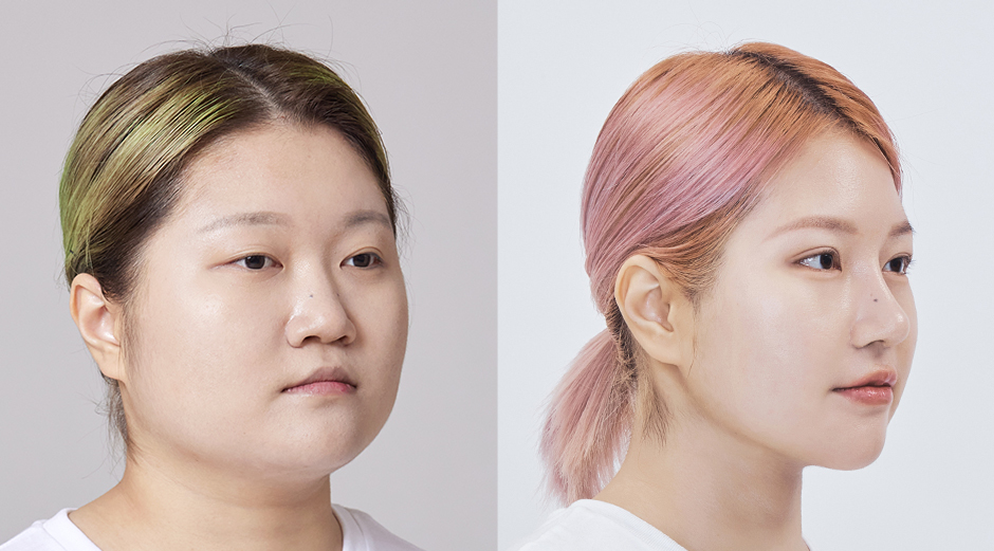
3. What Kind of Results to Expect
Visible Changes
-
Narrower, softer jawline
-
More tapered chin
-
Reduced lower-face width
-
Improved side-profile harmony
Most people see significant change around 2–3 months, with final results visible after 6–12 months, once swelling resolves fully.
Natural vs. Dramatic Transformations
Some patients ask for a subtle contouring, while others want a fully sculpted V-line. Korean clinics tend to encourage natural proportional improvement rather than extreme slimming, since over-resection can age the face prematurely.
4. Recovery Timeline: What Patients Need to Know
First Week
-
Swelling is at its peak
-
Liquid or soft diet
-
Pressure band applied
2 to 4 Weeks
-
Bruising fades
-
Speech becomes easier
-
Light jaw movements resume
1 to 3 Months
-
Gradual contour reveal
-
Most daily activities normal
-
Remaining swelling continues to shrink
6 to 12 Months
-
Final bone settling
-
Full refinement visible
Pain is usually manageable with prescribed medication. Most return to office-type work within 10 to 14 days.
5. Risks, Limitations, and Safety Checks
While V-line surgery is common, it is still bone surgery. Risks include:
-
Temporary numbness (common)
-
Asymmetry
-
Infection
-
Nerve injury
-
Over- or under-correction
To reduce risks, choose a clinic with:
-
A dedicated facial bone team
-
3D CT surgical planning
-
In-house anesthesiology
-
A strong portfolio of before-and-after cases
In Korea, accredited clinics often provide outcome guarantee programs and transparent complication policies, which is a major appeal for international patients.
6. Who Is a Good Candidate?
V-line surgery works best if you have:
-
A square or wide lower jaw
-
A short or broad chin
-
Excessive mandibular angle width
-
A desire for permanent contour correction
Not ideal if:
-
Your lower face is already slim
-
You have untreated bite alignment problems
-
You expect instant or Barbie-like results

7. Cost Overview
Pricing varies by location. Approximate ranges:
-
South Korea: USD 8,000–18,000
-
US/Europe: USD 18,000–35,000
-
Southeast Asia: USD 6,000–12,000
Costs depend on surgeon experience, hospital grade, and whether genioplasty is included.
Final Thoughts
Korean V-line contouring blends precise bone engineering with aesthetic philosophy. For those seeking a sharper yet natural-looking jawline, it offers an elegant long-term solution. With proper planning, realistic expectations, and a reputable clinic, you can achieve a balanced facial shape that enhances your overall profile.
About the Author