Artificial intelligence is no longer a distant concept—it’s reshaping workplaces faster than any previous technological shift. From customer service to logistics, healthcare, finance, manufacturing, and creative industries, AI is automating repetitive tasks, accelerating decision-making, and transforming how people collaborate.
But instead of replacing everyone, AI is redefining what skills matter. Over the next five years, the workers who thrive won’t necessarily be the strongest technically—they will be the ones who understand how to work with AI.
Here are the essential skills that will determine your competitiveness and job security in an AI-powered future.
1. AI Literacy: Knowing How AI Works (Without Being a Programmer)
You don’t need to be an engineer to stay relevant. But you do need to understand AI tools, how they behave, and how they support your tasks.
What AI literacy includes
-
Knowing the strengths and limitations of AI
-
Knowing what tasks can and cannot be automated
-
Understanding how to use AI tools for writing, analysis, customer service, design, or operations
-
Recognizing AI bias and when human judgment is required
Real-life example
A marketing specialist who understands how to use AI to analyze customer trends or generate campaign ideas can produce in one hour what traditional teams needed days to complete.
Workers who embrace AI tools will outperform those who avoid them.
2. Problem-Solving & Critical Thinking: Skills AI Cannot Replace
AI can analyze patterns, but it cannot fully understand real-world consequences, context, or ethics.
Why it matters
The future workplace will be filled with AI-generated suggestions, but humans must:
-
Verify results
-
Make decisions involving ambiguity
-
Prioritize ethical and safe options
-
Evaluate long-term impact
Example
An HR manager using AI for candidate screening still needs the ability to judge cultural fit, potential, and personality—something AI cannot reliably evaluate.
Critical thinking transforms you from a tool user into a decision-maker.
3. Communication & Human Interaction Skills
As AI takes over technical and repetitive work, human-centered skills become more valuable.
Key communication abilities
-
Explaining complex ideas simply
-
Leading discussions and resolving conflict
-
Persuasion and negotiation
-
Customer-centric communication
Why this matters
Companies will rely on humans to:
-
Talk with customers
-
Build trust
-
Lead teams
-
Translate AI insights into business actions
The more digital workplaces become, the more valuable “human touch” becomes.
4. Adaptability & Learning Agility: Your Most Important Career Insurance
The most successful workers of the next five years will be those who learn the fastest.
New tools will emerge every month
AI platforms, automation tools, data dashboards, specialized industry tools—everything will evolve rapidly. Sticking to old habits becomes career-limiting.
Adaptability includes
-
Learning new software quickly
-
Testing new workflows
-
Updating your knowledge
-
Embracing change instead of resisting it
Case Example
A warehouse operator trained to use AI-driven inventory systems becomes more valuable than one who sticks to manual processes.
Workers who learn continuously will stay employable indefinitely.
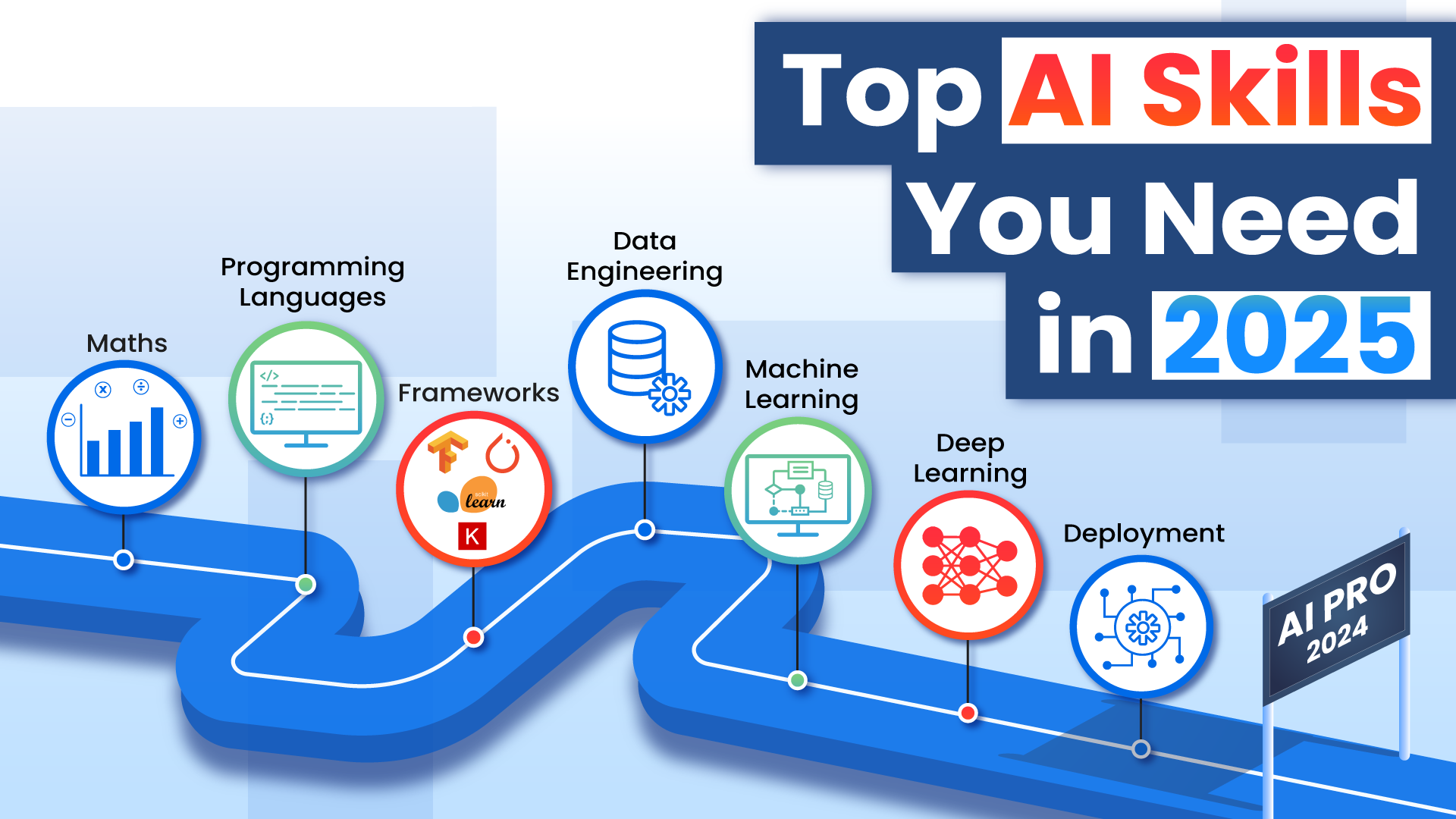
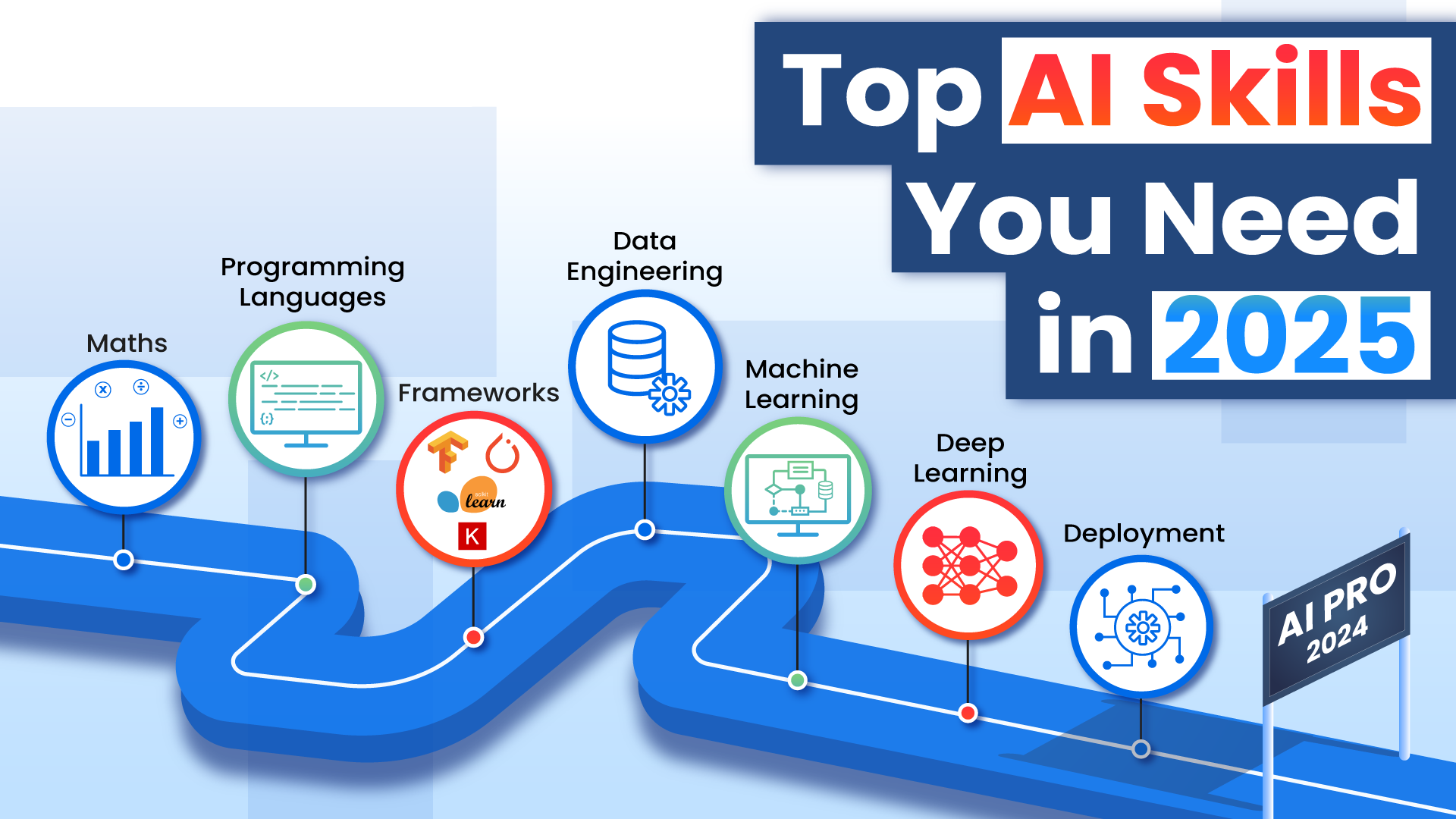
5. Data Literacy: The Foundation of Every AI-Assisted Job
AI thrives on data—and so will you.
Essential data skills
-
Reading basic data dashboards
-
Understanding KPIs
-
Checking whether data is accurate
-
Making decisions based on trends, not instincts
Not about coding
You don’t need to write algorithms. You only need to understand what the numbers mean and how to use them.
Real example
A sales representative who understands data insights from AI—like customer churn risk or purchase probability—can close deals more effectively than one relying solely on experience.
The future belongs to data-informed professionals.
6. Creativity & Innovation: The One Skill AI Enhances but Cannot Replace
AI can generate ideas, but it cannot create original intention.
Human creativity includes
-
Designing new products
-
Creating unique strategies
-
Approaching problems from unexpected angles
-
Understanding emotional appeal
AI + Human Creativity = Unmatched Productivity
For example, a graphic designer who uses AI to generate drafts but refines them with human emotion and taste can produce higher-quality results faster than ever.
Creativity will be one of the highest-paid skills in the coming years.

7. Technical and AI-Tool Skills (But Not in the Way You Think)
You don’t need to know how to build AI—but you do need to know how to use it.
Most valuable technical skills
-
AI-assisted writing and communication
-
Automation tools (Zapier, Make, RPA systems)
-
Data dashboards and visualization tools
-
Industry-specific AI platforms (customer support AI, predictive maintenance AI, HR tools, logistics AI)
This is the new productivity baseline
In many workplaces, employees who cannot use AI tools will be considered “low productivity,” the same way people who couldn’t use computers were left behind in the early 2000s.
8. Ethical Judgment: The Most Underrated Future Skill
As AI becomes powerful, ethical decisions become more important.
Workers must be able to
-
Identify AI errors
-
Prevent misuse of sensitive data
-
Recognize discriminatory patterns
-
Make human-centered decisions
Companies cannot trust AI blindly—they need humans who understand what should be done, not just what can be done.

Conclusion: AI Doesn’t Replace You—But It Will Replace Workers Who Refuse to Change
AI is transforming every industry, but the future belongs to people who learn, adapt, think critically, and communicate effectively. The most important skills for the next five years are not purely technical—they are human, strategic, and adaptable.
If you build the skills above, AI becomes your advantage, not your competition.
About the Author