
For years, quantum computing has sounded like something out of a sci-fi movie—labs filled with ultra-cold machines performing mysterious calculations beyond the comprehension of ordinary computers. But in 2025 and the years ahead, quantum computing will quietly begin shifting into everyday life. You may not own a quantum computer, but its influence will increasingly appear in your medicine, your online security, your financial systems, and even the apps you use.
This guide explains in simple, practical terms what quantum computing really is, why it matters, and how it will directly affect your life over the next decade.
1. What Makes Quantum Computers Different?
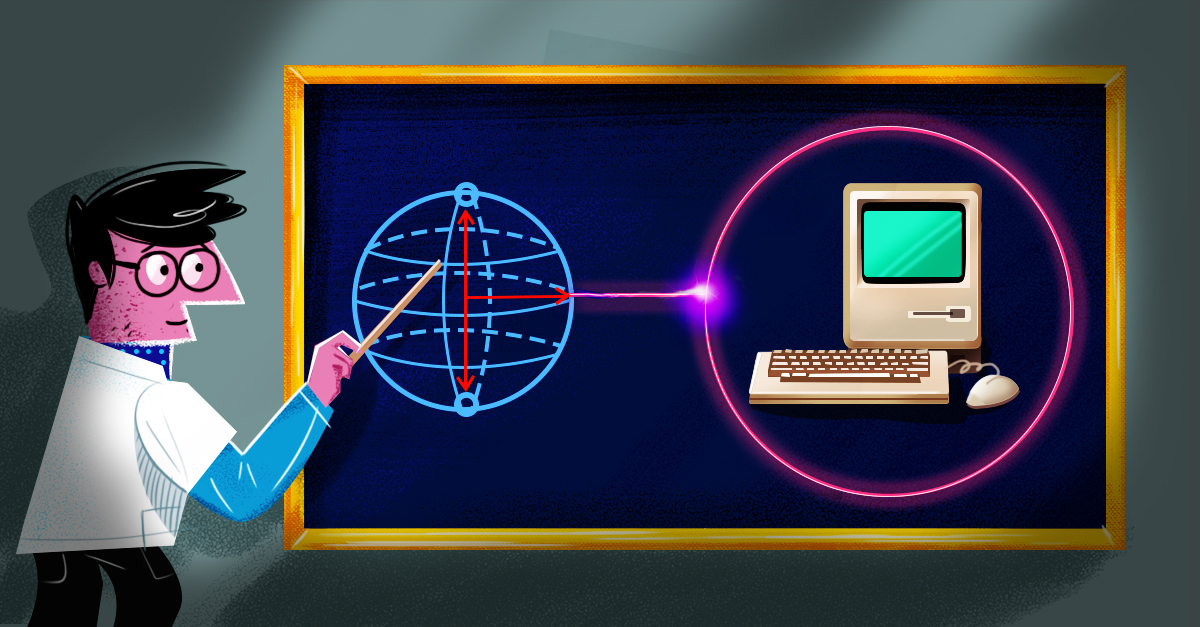
Traditional computers—the phone in your pocket or the laptop on your desk—use bits that store information as 0 or 1. Quantum computers use qubits, which can be 0 and 1 at the same time (a state called superposition). They can also become “linked” with each other through entanglement, allowing them to solve certain types of problems exponentially faster than classical computers.
Think of it like this:
-
A classical computer tries possibilities one by one.
-
A quantum computer can evaluate millions of possibilities simultaneously.
This doesn’t make everyday tasks like gaming or streaming faster. Instead, quantum computers specialize in solving extremely complex problems that today’s machines would need thousands of years to complete.
2. How Quantum Computing Will Impact Your Daily Life
Even if you never touch a quantum machine, you’ll experience its effects in several ways.
**2.1. Your Online Security Will Change Completely
Perhaps the biggest immediate impact will be on cybersecurity.
1) Today’s encryption could be cracked
Modern online security—bank logins, WhatsApp messages, government systems—relies on mathematical problems that are hard for classical computers but easy for future quantum computers.
Experts estimate that advanced quantum systems could break widely used forms of encryption in hours instead of centuries.
2) Transition to “quantum-safe” encryption
Governments and tech companies are now racing to upgrade everything to post-quantum cryptography—a new generation of security protocols designed to survive quantum attacks.
This means in the coming years you may see:
-
Software updates to “enhance encryption”
-
New standards for online banking
-
Reissued digital certificates
-
Government-driven security upgrades
You won’t have to do much—but your digital world will quietly be rebuilt around quantum-safe protections.
2.2. Medicine Will Become More Personalized and Effective
Quantum computing can simulate molecules in ways classical computers cannot. This has transformative potential in:
• Drug discovery
Instead of testing molecules one by one, quantum computers can predict how drugs will behave long before clinical trials begin.
This can help create:
-
Cancer treatments tailored to specific genetic profiles
-
Faster development of antiviral drugs
-
More effective precision medicine
Real example: Multiple pharmaceutical companies are already testing quantum algorithms to design new antibiotics for drug-resistant bacteria.
• Personalized treatment planning
Quantum models may eventually simulate:
-
How your body reacts to certain medications
-
How tumors evolve
-
Which therapies work best for your genetics
This leads to more accurate diagnoses and fewer trial-and-error treatments.
2.3. Smarter, More Efficient Everyday Technologies
Quantum computing won’t make your phone “quantum,” but it will improve the systems behind the apps you use.
1) Navigation and traffic
Quantum optimization could reduce:
-
Traffic congestion
-
Delivery times
-
Ride-share wait times
Companies like BMW and Volkswagen have already tested quantum-enhanced traffic routing in real cities.
2) Energy savings
Quantum algorithms help optimize:
-
Electric vehicle charging
-
Power grid loads
-
Battery design
-
Solar efficiency
This can mean cheaper electricity bills and fewer blackouts.
3) Finance and investment tools
Quantum computing will reshape:
-
Portfolio optimization
-
Risk analysis
-
Market prediction models
Banks are already building quantum teams to prepare.
2.4. New Jobs and Big Shifts in the Workforce
You don’t need to be a physicist to benefit from the rise of quantum computing. As adoption increases, new roles will emerge:
-
Quantum software developers
-
Quantum-safe cybersecurity specialists
-
Data scientists trained in quantum algorithms
-
Industry specialists who understand quantum-enhanced workflows
If you’re in IT, engineering, cybersecurity, or finance, quantum literacy will become a valuable career advantage.

3. Will Quantum Computing Replace Traditional Computers?
No. Quantum computers are not “better laptops.” They excel in narrow, complex problems—not everyday tasks.
You’ll still:
-
Browse the web on a classical device
-
Use apps normally
-
Stream videos the same way
Quantum computing will operate mostly behind the scenes, improving infrastructures rather than replacing personal devices.
4. The Risks You Should Be Aware Of
Like any powerful technology, quantum computing carries risks.
1) Data theft (“harvest now, decrypt later”)
Hackers are already stealing encrypted data today, planning to decrypt it in the future once quantum computers become strong enough.
2) Accelerated cybercrime
Quantum-powered attacks could break outdated systems instantly.
3) Economic disruption
Industries that rely heavily on classical computing models (banking, logistics, pharmaceuticals) may experience major restructuring.
This is why governments are investing billions in quantum research—partly to prevent technological imbalance.
5. What You Should Do to Prepare
While you won’t need to use a quantum computer directly, you can prepare for the era of quantum systems.
✔ Keep your software updated
New encryption standards are already being rolled out.
✔ If you work in tech, learn the basics
Quantum literacy will become mandatory in many fields—just like cloud computing did a decade ago.
✔ Protect your digital footprint
Avoid giving unnecessary data to apps or websites—what’s safe today may be vulnerable in the quantum future.
✔ Follow major security updates from banks and governments
They will shift to quantum-safe security in stages.
Final Takeaway: Quantum Computing Will Change the World Quietly but Powerfully
Quantum computing won’t feel like a dramatic revolution in your daily routine. Instead, it will operate behind the scenes—strengthening your cybersecurity, improving your healthcare, optimizing the systems you rely on, and reshaping industries.
The changes will be subtle at first, but profound in the long term.
About the Author