Zero-waste living sounds like a noble quest reserved for minimalists who fit a year’s trash into a mason jar. But what happens when an ordinary family tries it? A home full of kids, snacks, schedules and everyday chaos attempting to produce no waste at all is a different story. Their experiment reveals both the possibilities and the limits of zero-waste life in the real world.
This is a look inside what truly happens when a family attempts to shrink their footprint, one stubborn plastic wrapper at a time.

1. Why They Tried It: A Real-life Wake-Up Call
The zero-waste experiment began not with guilt, but curiosity. After watching news about overflowing landfills and oceans swirling with plastic, the family began noticing their own trash mountain:
-
Snack bags
-
Shipping packaging
-
Empty bottles
-
Food scraps
-
Disposable wipes
-
Random plastic “things” appearing from nowhere
A simple weekly audit became a revelation. So they set themselves a challenge: 30 days of aiming for as little waste as possible.
Not perfection. Just progress.
2. The First Week: Reality Hits Hard
The experiment began with enthusiasm and a hopeful pantry of bulk foods. But the first week delivered a crash course in waste:
-
Kids’ snacks are almost always individually wrapped.
-
Toothpaste comes in tubes that can’t be recycled.
-
Takeout containers multiply like rabbits.
-
Groceries sneak in plastic at every turn.
The family discovered that modern life is engineered for convenience, not sustainability. And convenience often arrives wrapped in plastic.
Instead of giving up, they decided to list every source of unavoidable waste. Their list grew, and so did their determination to tackle it creatively.
3. The Surprising Wins
Even without perfection, the family quickly found wins hiding in plain sight.
A. Food began lasting longer
Switching to fresh produce, meal planning, and buying in bulk reduced food waste by nearly half.
B. The house became less cluttered
No more impulse buys, no more mystery containers. Their space felt noticeably calmer.
C. Kids got involved
Reusable lunchboxes became a fun project. The family even created a “waste detective game” to find hidden household trash.
D. Composting worked like magic
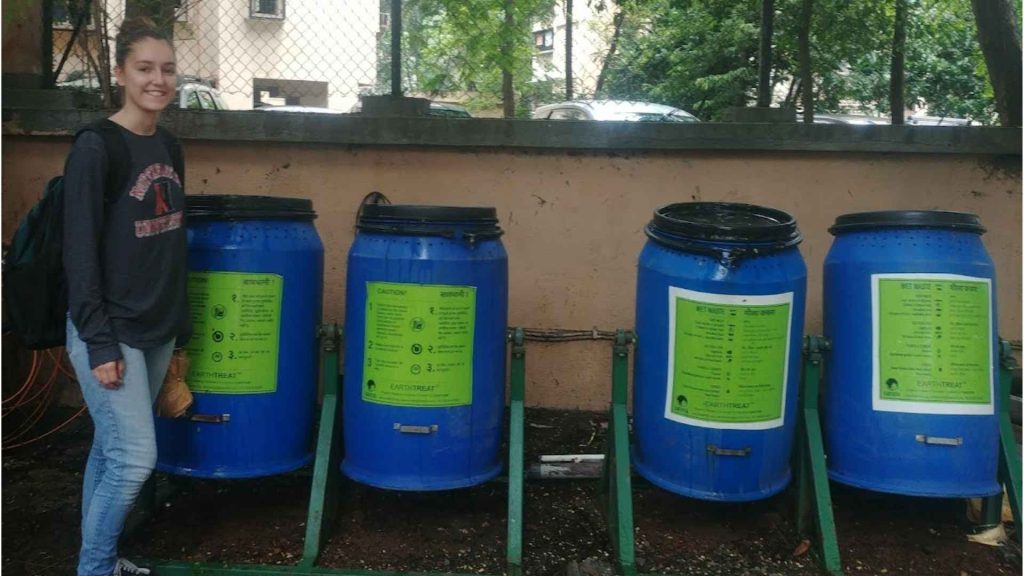
Food scraps turned into dark, rich compost that fed the garden. It felt like watching nature close a loop.
Small changes created a pleasant shift in the rhythm of the household. Waste shrank. Awareness grew.
4. The Things They Couldn’t Avoid
Zero-waste living quickly ran into friction with reality. Some waste simply wouldn’t budge:
-
Medication blister packs
-
Packaging from online deliveries
-
Plastic seals on milk, juice or jars
-
Kids’ school supplies
-
Temporary products for infants
-
Receipts coated with chemicals
-
Labels, stickers, shipping tags
The family learned a humbling truth: it is nearly impossible to produce zero waste in a modern consumer system not designed for reuse.
But that didn’t make the effort pointless. It made it insightful.
5. What They Learned After 30 Days
After a month of experimenting, the family didn’t achieve zero waste. But they achieved something far more valuable: a sustainable level of change they could continue for years.
Key insights from the experiment:
1. Zero-waste isn’t about perfection. It’s about direction.
Every plastic wrapper avoided is still one less piece in the world.
2. Families need flexibility.
Rigid rules break easily. Creative routines last.
3. Kids adapt faster than adults.
They often took pride in being “planet helpers.”
4. Community matters.
Local refill stores, farmers markets, and repair cafés made a huge difference.
5. Small changes compound.
Reusable bags, water bottles, meal planning and composting cut their trash by nearly 60 percent overall.
6. So, Is Zero-Waste Living Truly Possible?
For a typical family?
Strictly speaking, no.
Not under today’s packaging systems, supply chains, and fast-paced lifestyle.
But a low-waste life is absolutely possible. And impactful.
A family doesn’t need to become perfectly zero-waste superheroes. Reducing weekly trash from two full bags to one bag, then half a bag, is a real victory. Scaling that across millions of households would shift the environmental landscape dramatically.
Zero-waste isn’t a destination. It’s a compass.
Conclusion: The Real Success
The family didn’t vanish their waste. They didn’t turn their home into a minimalist showroom. They didn’t ditch normal life. What they did was far more achievable:
-
They transformed habits.
-
They cut waste meaningfully.
-
They raised awareness in their kids.
-
They became more mindful consumers.
-
They proved that sustainability doesn’t require extreme sacrifice.
In the end, the experiment wasn’t about making no trash; it was about making better choices. And those choices ripple outward long after the mason jars and reusable bags are set aside.
If you want, I can also create a shorter social media version, bullet-point infographic version, or Chinese translation of this article.
About the Author