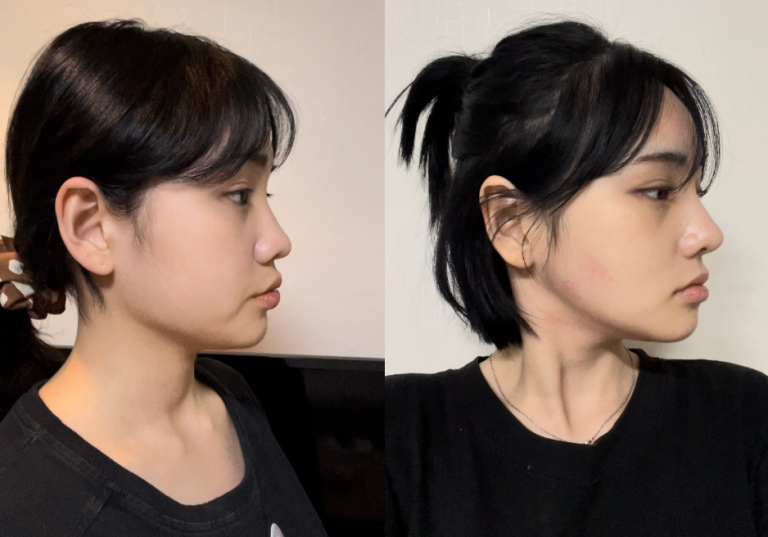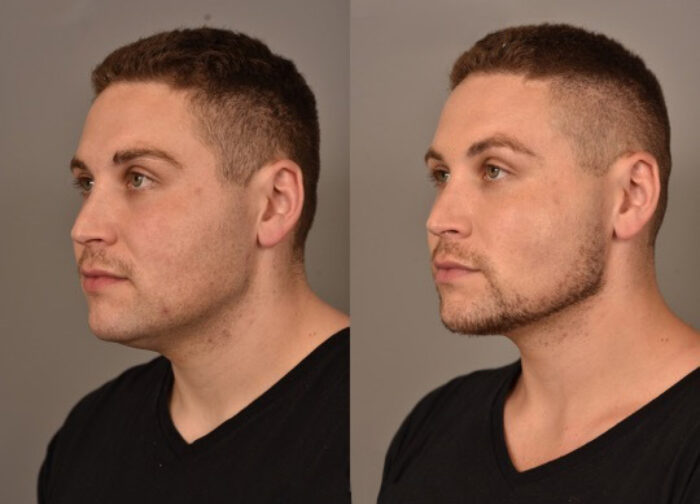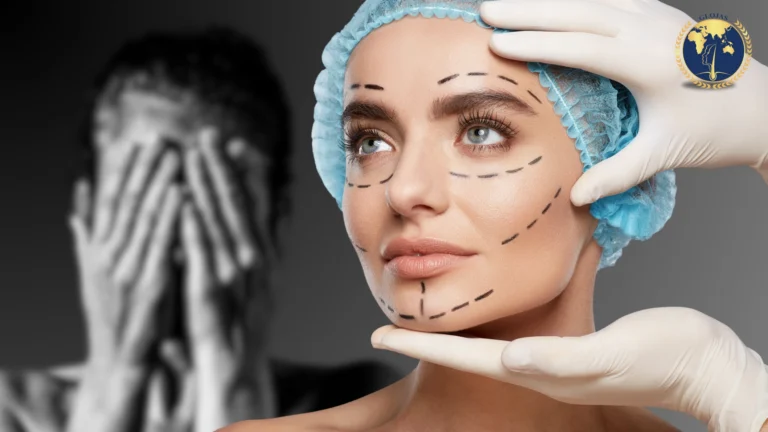
Medical aesthetics has become more accessible and popular than ever. From facelifts to lip fillers, people seek these procedures to enhance confidence and rejuvenate their appearance. However, despite advancements in technology, aesthetic treatments are not risk-free. Mistakes before, during, or after a procedure can lead to disappointing results, prolonged recovery, or even serious complications.
This guide highlights the most common pitfalls in medical aesthetics and offers strategies to avoid them, ensuring safe and satisfying outcomes.
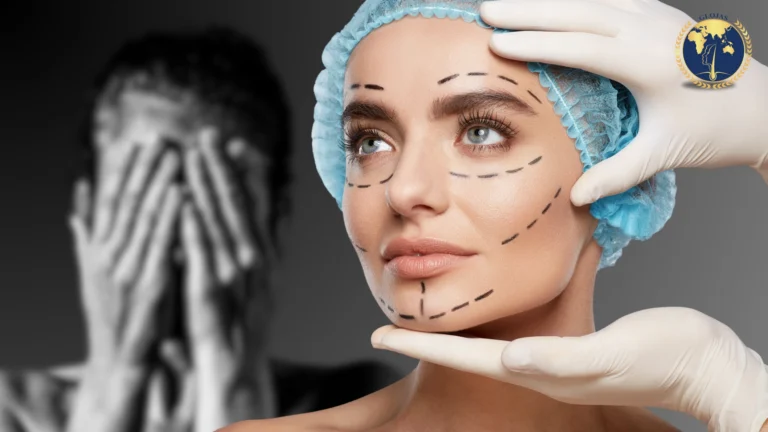
1. Choosing the Wrong Provider
One of the biggest risks in medical aesthetics is trusting someone without proper credentials. Non-certified practitioners or inexperienced technicians can misjudge facial proportions, administer incorrect doses, or use unsafe products.
Example:
A patient in New York received lip fillers from a non-certified provider. The result was asymmetrical lips and swelling that lasted weeks, requiring corrective treatment by a board-certified specialist.
Tip:
Always verify credentials, look for board certification, and review before-and-after photos. A qualified provider ensures that procedures are safe, effective, and aligned with your goals.
2. Ignoring a Comprehensive Consultation
Skipping or rushing through a consultation can lead to unrealistic expectations or incompatible procedures. A detailed discussion should include:
-
Your medical history and allergies
-
Current medications
-
Past aesthetic treatments
-
Desired outcomes and acceptable risks
Expert Insight:
Dr. Emily Chen, a board-certified dermatologist, notes, “A proper consultation ensures that patients understand what’s achievable, what’s realistic, and what risks are involved. It sets the stage for satisfaction, not regret.”
3. Overdoing It: The “Too Much, Too Soon” Trap
Many patients fall into the temptation of stacking multiple procedures at once. While combining treatments is possible, overdoing it can overwhelm your body, cause excessive swelling, or lead to unnatural results.
Example:
A 40-year-old patient combined Botox, lip fillers, and cheek augmentation in a single day. Recovery was prolonged, and the result appeared overfilled, requiring correction.
Tip:
Space treatments appropriately, follow provider guidance, and prioritize gradual enhancements for a natural, balanced appearance.
4. Neglecting Pre-Procedure Preparation
Certain lifestyle choices before surgery can dramatically affect results. Common mistakes include:
-
Smoking or vaping
-
Not avoiding alcohol or certain medications (like blood thinners)
-
Failing to follow dietary or skincare instructions
Example:
A patient who didn’t stop taking aspirin before a minor laser procedure experienced excessive bruising and delayed healing.
Tip:
Follow all pre-procedure instructions carefully. Preparation is as important as the procedure itself.
5. Post-Procedure Care Mistakes
Even the best procedures can fail if aftercare is ignored. Skipping post-treatment instructions can cause infection, scarring, or unsatisfactory outcomes.
Common Post-Procedure Pitfalls:
-
Touching or rubbing treated areas
-
Ignoring swelling, redness, or signs of infection
-
Exposing sensitive skin to sun without protection
-
Skipping follow-up appointments
Example:
A patient undergoing fractional laser resurfacing didn’t apply recommended sunscreen and suffered hyperpigmentation in treated areas.
Tip:
Post-procedure care is critical to protect investment and ensure optimal results. Always follow your provider’s instructions and attend follow-up visits.
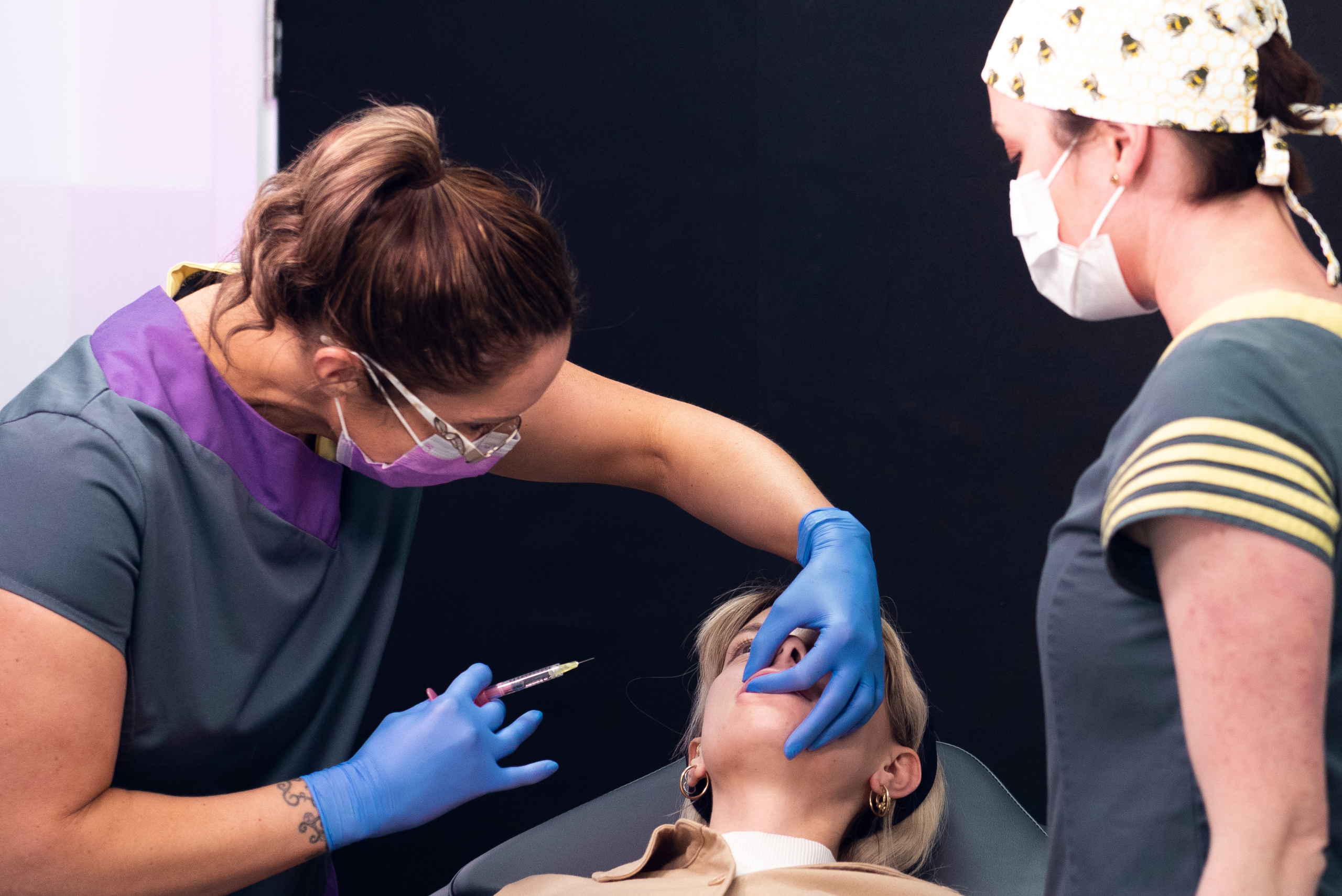
6. Unrealistic Expectations
Many aesthetic disappointments stem from expecting perfection. Even the most advanced procedures cannot completely erase aging, scars, or genetic features.
Expert Comment:
Dr. Andrew Miller, a cosmetic surgeon, advises, “Aesthetic medicine enhances natural beauty—it doesn’t create a new identity. Understanding the limits of each treatment is essential for long-term satisfaction.”
Tip:
Discuss achievable results during consultation. Request digital simulations if available, and remember that subtle, natural enhancements often look the best.
7. Ignoring Mental and Emotional Readiness
Medical aesthetics isn’t just physical—it’s also psychological. People who seek procedures for external pressure, revenge, or to fix unhappiness may not benefit fully, even if the procedure goes perfectly.
Tip:
Ensure your motivations are positive and realistic. Procedures are best approached as a tool for self-confidence, not a solution for emotional issues.
8. Financial Pitfalls
Some patients underestimate the cost of procedures, including maintenance, touch-ups, and corrective treatments. Attempting cheaper alternatives or skipping recommended follow-ups to save money can backfire.
Tip:
Budget for the full treatment plan, including post-care products and any follow-up procedures. Investing in quality initially prevents costly corrections later.

9. The Importance of Research
Before any procedure:
-
Read about the treatment and technology
-
Understand risks and side effects
-
Compare providers and reviews
-
Ask questions about downtime, pain, and recovery
Example:
A patient researching laser resurfacing learned about downtime differences between fractional CO₂ and Erbium lasers, allowing her to choose the treatment best suited to her schedule.
Final Thoughts: Safety and Satisfaction Go Hand in Hand
Medical aesthetics can be transformative, but only when approached thoughtfully. By choosing qualified providers, preparing properly, managing expectations, and following post-care instructions, you can minimize risks and maximize results.
The key takeaway: aesthetic treatments are tools, not magic. When used wisely, they enhance confidence, support wellness, and help you look as vibrant as you feel. Avoiding these common pitfalls ensures that your investment in yourself pays off—in beauty, safety, and peace of mind.
About the Author