In today’s world, the concept of beauty has expanded beyond traditional ideals. People are no longer limited to one approach for enhancing their appearance—choices range from embracing natural beauty routines to exploring advanced medical aesthetic procedures. Each approach has its advocates, benefits, and limitations. As modern society increasingly prioritizes wellness, self-expression, and personalized care, understanding the current trends in beauty choices has become essential for anyone seeking to navigate this evolving landscape.
The Rise of Natural Beauty
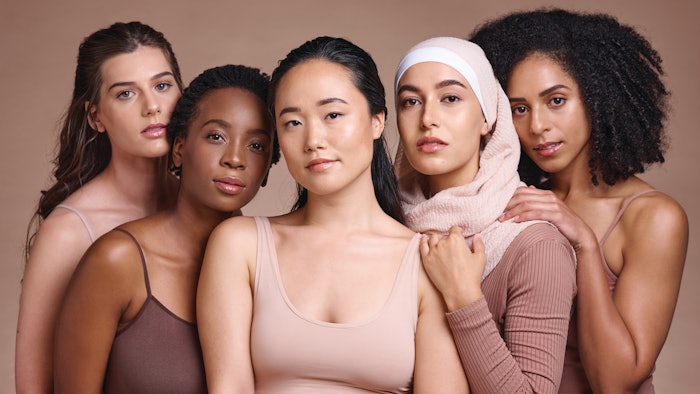
Natural beauty has seen a resurgence in popularity over the past decade. Fueled by social media movements, sustainability awareness, and wellness trends, more people are prioritizing minimalism, authenticity, and holistic self-care.
Key aspects of the natural beauty trend include:
-
Skincare over makeup: Instead of heavy cosmetics, the focus is on glowing, healthy skin achieved through proper cleansing, moisturizing, and sun protection.
-
Organic and sustainable products: Consumers are increasingly choosing plant-based, cruelty-free, and eco-friendly products that reduce chemical exposure.
-
Holistic wellness: Nutrition, hydration, sleep, and exercise are considered integral to natural beauty, promoting a glow from the inside out.
-
Embracing imperfections: Freckles, scars, and natural skin texture are no longer considered flaws, but unique features contributing to individuality.
This movement emphasizes authenticity and longevity. Natural beauty routines may take time to show results, but they encourage a deeper connection to one’s body and a commitment to self-care that lasts a lifetime.
The Appeal of Medical Aesthetics
While natural beauty emphasizes subtle enhancement, medical aesthetics offer more immediate, targeted solutions to specific cosmetic concerns. Medical aesthetic procedures range from minimally invasive treatments to surgical interventions, allowing individuals to address signs of aging, skin irregularities, or facial asymmetry.
Popular procedures include:
-
Botox and fillers: Smooth wrinkles, restore volume, and enhance facial contours without surgery.
-
Laser treatments: Address pigmentation, scars, and skin texture.
-
Chemical peels and microdermabrasion: Improve skin clarity, reduce fine lines, and rejuvenate the complexion.
-
Surgical procedures: Rhinoplasty, facelifts, and liposuction for more dramatic and lasting changes.
The appeal of medical aesthetics lies in the precision and predictability of results. Many procedures are now minimally invasive, with shorter recovery times and lower risks than traditional surgery, making them accessible to a wider audience.
Current Trends in Beauty Choices
Modern beauty trends are defined by personalization, technology, and hybrid approaches:
-
Personalized beauty solutions – Consumers increasingly expect treatments and products tailored to their unique needs, skin types, and goals. From custom serums to individualized treatment plans, personalization is key.
-
“Soft” cosmetic interventions – Non-surgical treatments that enhance features subtly, often described as “injectables for natural-looking results,” are gaining popularity. People want improvement, not transformation.
-
Combination approaches – Many individuals are blending natural routines with medical aesthetic treatments. For example, a person may maintain a holistic skincare routine while using Botox to reduce forehead lines or a filler to subtly enhance cheek volume.
-
Preventive aesthetics – Younger consumers are turning to treatments like Botox and skin rejuvenation procedures as preventative measures, aiming to slow the onset of wrinkles and maintain a youthful appearance before significant signs of aging appear.
-
Digital beauty influence – Social media platforms, augmented reality filters, and beauty apps are shaping expectations. Consumers are more aware of subtle aesthetic improvements and the possibilities of medical treatments, creating demand for both realistic and aspirational outcomes.
Choosing Between Natural Beauty and Medical Aesthetics
Deciding between natural beauty approaches and medical aesthetics depends on individual priorities, lifestyle, and expectations:
-
Time and commitment: Natural beauty routines often require daily effort and patience, while medical aesthetics may provide quicker results with less frequent maintenance.
-
Desired outcome: Subtle, long-term improvements align with natural beauty, whereas dramatic, precise changes may require medical intervention.
-
Budget considerations: High-quality natural products and wellness routines involve ongoing costs, whereas medical procedures may require significant upfront investment but less frequent repetition.
-
Health and safety: Non-invasive medical procedures are generally safe but carry some risk, while natural beauty practices tend to be lower risk but may not address deeper cosmetic concerns.
Many experts recommend a balanced approach: use natural skincare and wellness strategies as a foundation while considering targeted medical treatments for areas of concern. This combination maximizes results, maintains authenticity, and aligns with the body’s natural processes.
The Future of Beauty Choices
The modern beauty landscape is moving toward integration and personalization. People are less interested in extremes—neither fully natural nor entirely surgical—and more focused on solutions that enhance confidence while respecting individuality.
Emerging trends include:
-
AI and technology-driven skincare: Devices that analyze skin condition and recommend personalized regimens.
-
Regenerative medicine: Stem cell therapies and platelet-rich plasma (PRP) treatments that enhance natural rejuvenation.
-
Holistic aesthetic clinics: Facilities that offer a full spectrum of beauty and wellness options, integrating nutrition, fitness, and medical treatments.
-
Sustainability in aesthetics: Eco-conscious practices, including biodegradable fillers, reusable tools, and plant-based products, are gaining traction.
The choice between natural beauty and medical aesthetics is becoming less about one or the other and more about finding the right balance for each individual.
Conclusion
Modern beauty choices reflect a broader understanding of self-expression, health, and individuality. Natural beauty emphasizes authenticity, self-care, and gradual improvement, while medical aesthetics provide precision, speed, and targeted enhancement. Today, many individuals are choosing hybrid approaches that combine the best of both worlds, ensuring results that are both natural and confident.
Ultimately, the future of beauty lies not in rigid categories but in personalized, mindful, and balanced approaches that empower people to look and feel their best. Whether you embrace natural methods, medical interventions, or a combination of both, the goal is the same: confidence, well-being, and a reflection of your unique identity.
About the Author