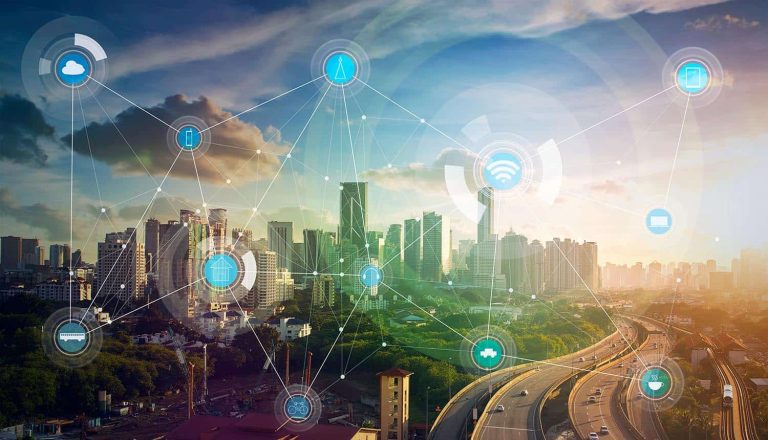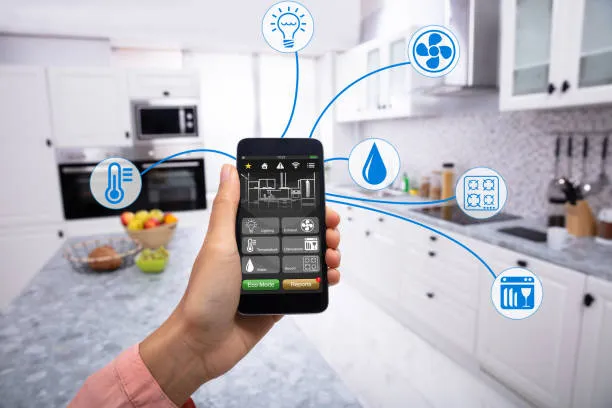
Smart homes are no longer futuristic ideas—they’ve become everyday essentials. But in 2025, the shift toward Smart Home 2.0 is redefining how technology interacts with our daily routines. Instead of simply connecting devices to Wi-Fi, today’s smart home ecosystem focuses on automation, energy efficiency, security, and seamless integration.
If you’ve been thinking about upgrading your home but feel overwhelmed by the endless choices, this guide breaks down five smart devices truly worth investing in. These aren’t gimmicks—they’re practical, long-lasting tools designed to improve comfort, security, and efficiency in measurable ways.

1. Smart Thermostats: The Easiest Way to Save on Energy Bills
Energy prices have steadily risen worldwide, making heating and cooling one of the largest household expenses. A smart thermostat is one of the most cost-effective upgrades you can make.
Why it’s worth it
-
Learns your habits and adjusts temperatures automatically
-
Reduces wasted heating and cooling when you’re not home
-
Can cut energy bills by 10%–20% annually
-
Works with voice assistants like Alexa, Google Home, or Siri
For example, a family in Toronto reduced their heating bill by $27 per month after switching to a learning thermostat that automatically lowered the temperature when the house was empty.
Best for:
Homes in areas with extreme weather, busy families, or anyone looking for long-term savings.
2. Smart Security Cameras: Peace of Mind Wherever You Are
Smart security cameras have evolved far beyond motion alerts. Smart Home 2.0 systems include AI-enhanced recognition, package detection, automatic lighting, and two-way communication.
Why it’s worth it
-
Real-time notifications if someone approaches your home
-
Clear night vision and 24/7 recording
-
AI distinguishes between people, pets, and vehicles
-
Cloud storage means you never lose footage
-
Deters break-ins—criminals avoid houses with visible smart cameras
According to a 2024 home-security study, houses with outdoor cameras are 300% less likely to be targeted by burglars.
Best for:
Homeowners wanting peace of mind, frequent travelers, or anyone receiving frequent deliveries.
3. Smart Locks: Security + Convenience in One Device
If you still hide a spare key under a flowerpot or worry about losing your keys, a smart lock is a must-have upgrade.
Why it’s worth it
-
Keyless entry (phone, code, or fingerprint)
-
Temporary access codes for guests, cleaners, or delivery workers
-
Auto-lock and unlock based on proximity
-
Activity logs showing who entered and when
Imagine this scenario: Your teenager gets home early, but they forget their key again. Instead of rushing home, you unlock the door remotely with a tap on your phone. Small conveniences like this add up and reduce stress.
Best for:
Busy families, rental property owners, or anyone valuing both convenience and safety.

4. Smart Lighting Systems: Transform Mood and Lower Costs
Smart lighting is no longer about turning lights on with your phone. Smart Home 2.0 emphasizes automation, energy savings, and personalized ambience.
Why it’s worth it
-
Lights turn on when you enter a room and off when you leave
-
Preset “scenes” for reading, cooking, relaxing, or waking up
-
Dramatically lower electricity usage
-
Works with voice assistants for hands-free control
-
Adds security with scheduled lighting when you’re away
A real-world example: A user in London found that automating hallway and bathroom lights cut their monthly electricity cost by nearly 12%.
Best for:
Anyone wanting to improve their home atmosphere while saving on energy.
5. AI-Powered Smart Speakers: The Heart of the Smart Home Ecosystem
Smart speakers have evolved far beyond music playback. Today’s AI-driven devices act as the central brain of your home, coordinating automation, answering questions, controlling appliances, and even improving accessibility for seniors.
Why it’s worth it
-
Voice control for lights, thermostats, appliances, and security
-
AI routines automate daily tasks (“Good morning” turns on lights + reads news)
-
Integrates with thousands of smart devices
-
Enhances entertainment with better audio and personalized playlists
-
Hands-free help for cooking, cleaning, reminders, and more
For elderly users, smart speakers can provide medication reminders, emergency call functions, and simple voice controls—significantly improving quality of life.
Best for:
Anyone building a full smart home ecosystem or looking for easy automation.
Smart Home 2.0 Isn’t About Gadgets—It’s About a Better Lifestyle
What makes Smart Home 2.0 powerful isn’t the individual devices, but how seamlessly they work together.
With the right setup:
-
Your home warms itself before you wake up
-
Lights brighten gradually to help your body adjust
-
Your door unlocks as you walk up with groceries
-
Cameras notify you when a package arrives
-
Energy usage automatically adjusts to lower your bill
This is affordable, accessible technology—not a luxury reserved for tech experts.
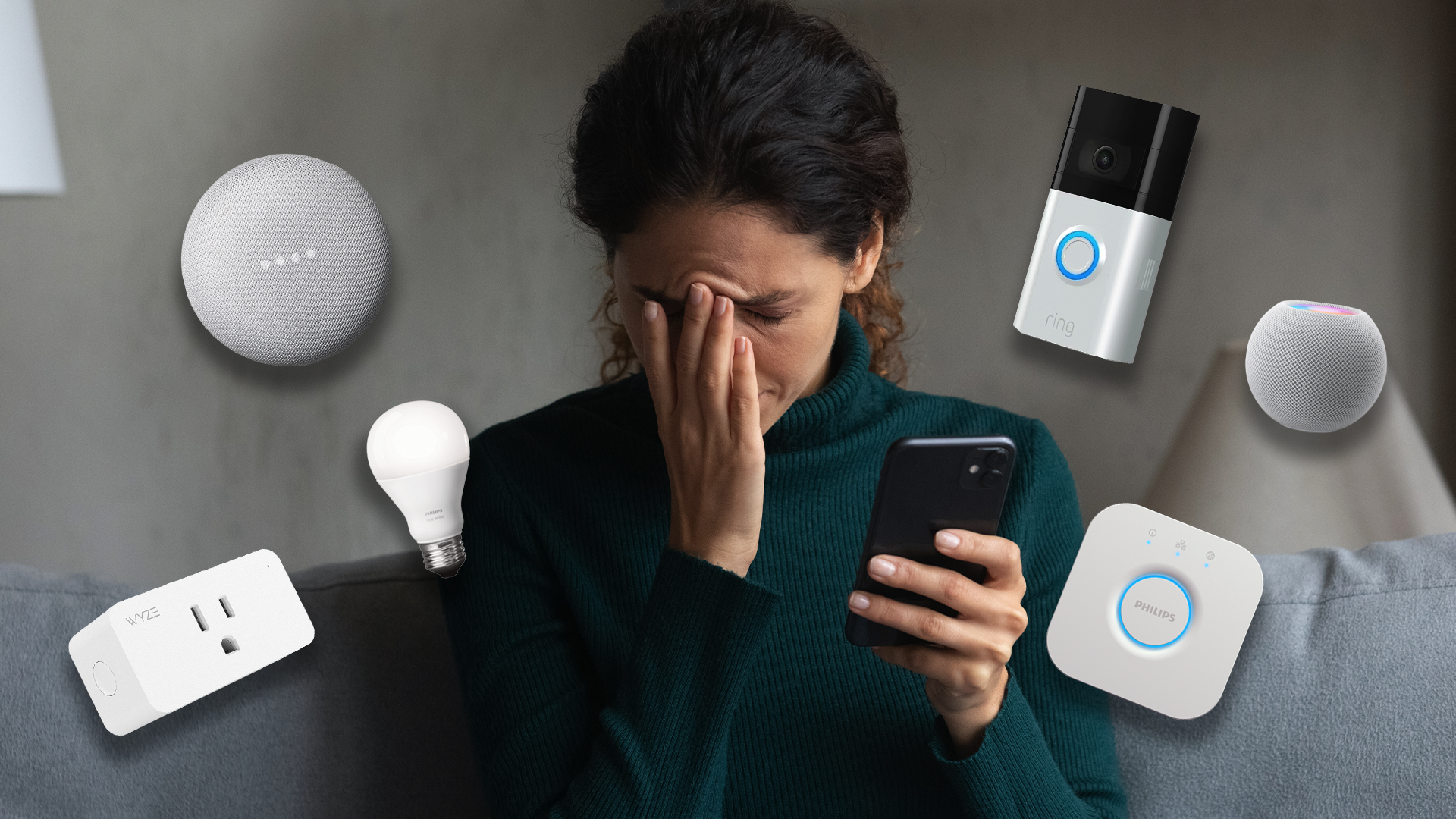
How to Start Your Upgrade (Even on a Budget)
If you’re new to smart home upgrades, start small:
Step 1: Choose your ecosystem
-
Amazon Alexa
-
Google Home
-
Apple HomeKit
Pick one to ensure compatibility.
Step 2: Upgrade one room at a time
Most people begin with:
-
A smart speaker
-
A smart thermostat
-
Two or three smart bulbs
This creates a functional, cost-effective foundation.
Step 3: Add security features
Smart locks and cameras come next—they offer major improvements with immediate value.
Step 4: Automate your routines
Set up simple routines like:
-
“Good night” → turn off lights + lock doors
-
“I’m home” → lights on + thermostat adjusts
-
Motion detection → hallway lighting at night
Small changes dramatically improve daily comfort.
Final Thoughts: Smart Home 2.0 Is Here to Stay
As smart technology becomes more intelligent and more affordable, creating a connected home is no longer optional—it’s the next standard. By investing in these five essential devices, you’re not just adding gadgets; you’re building a home that’s safer, more efficient, easier to manage, and designed for the future.
About the Author