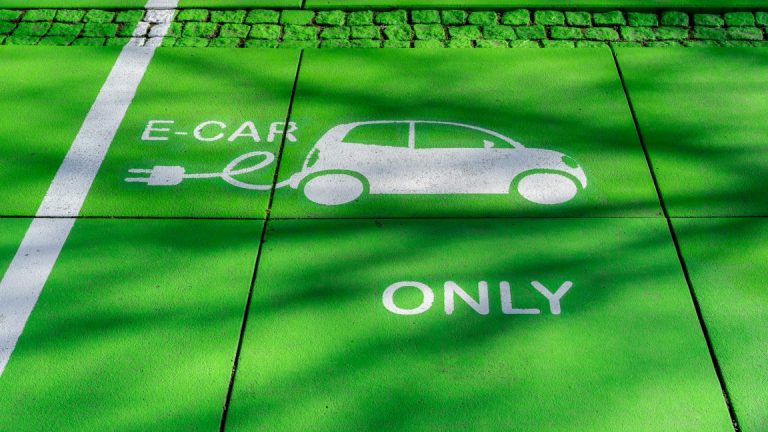
In a world where environmental challenges loom like uninvited guests — climate change, plastic pollution, deforestation — a quiet but powerful movement has emerged. It is reshaping industries, influencing governments, and rewriting the rules of how we shop. Welcome to the era of green consumption, where everyday purchases carry the weight of planetary consequences and consumer behavior has become a form of environmental activism.
The idea sounds almost whimsical: could a single person’s shopping cart truly shift the direction of global sustainability? Growing evidence suggests the answer is yes. Our daily consumption patterns are rippling outward, nudging corporations to transform their supply chains, encouraging industries to innovate, and compelling leaders to adopt greener policies.

Why Green Consumption Matters Now
For decades, environmental discussions focused on governments and corporations. But in recent years, consumers have stepped into the spotlight. Research from international sustainability groups shows that more than 70 percent of global consumers prefer to buy from brands that demonstrate environmental responsibility. This shift has pushed companies into a new era of accountability.
Green consumption matters because:
-
Every product has a carbon footprint.
From the water used to grow cotton for a T-shirt to the fuel burned transporting food, purchasing decisions shape environmental impact. -
Demand dictates supply.
When millions of shoppers choose planet-friendly goods, companies change their strategies to follow the money. -
Small habits accumulate into global trends.
Whether reducing plastic, buying local, or choosing recyclable packaging, individual actions scale fast.
In short, consumers are no longer passive spectators. They are active agents in environmental change.
The Rise of the Eco-Conscious Shopper
A new kind of buyer has emerged: the eco-conscious shopper. They scan labels like detectives, checking for recyclable materials, ethical sourcing, and carbon-neutral claims. They compare brands not only by price and quality but by environmental values.
Some of the behaviors fueling the green consumption era include:
1. Choosing Sustainable Materials
Organic cotton, bamboo fiber, recycled polyester, plant-based leathers — these alternatives have become mainstream as shoppers demand textiles that minimize environmental harm.
2. Preferring Low-Waste Packaging
Minimal packaging, biodegradable wrappers, refillable containers, and plastic-free shipping options are no longer niche inspirations but market expectations.
3. Supporting Local and Seasonal Goods
From farmers’ markets to neighborhood bakeries, consumers are rediscovering the charm and environmental benefits of local production, which reduces transport emissions and supports community ecosystems.
4. Opting for Durable Over Disposable
Fast fashion and single-use products are losing appeal as more people embrace items that are built to last, repairable, or circular.
5. Rewarding Ethical Transparency
Brands that openly disclose their supply chains, working conditions, and carbon impact are gaining customer loyalty over those that stay opaque.
The green consumer isn’t defined by perfection but by intention — a willingness to make better choices day by day.
Industry Transformation: When Consumers Lead, Companies Follow
As green consumption grows, corporations are responding with notable shifts in strategy. The transformation spans multiple industries:
Fashion
Clothing brands are integrating recycled materials, launching take-back programs, and reducing water usage in dyeing processes. Eco-certifications are becoming badges of honor.
Food & Beverage
Plant-based proteins, organic produce, and carbon-neutral beverages are rising in popularity. Even large fast-food chains now include sustainable options.
Technology & Electronics
Manufacturers are offering longer device lifespans, modular components, and recycling initiatives to reduce electronic waste.
Beauty & Personal Care
Refillable bottles, cruelty-free ingredients, and sustainably sourced botanicals have become central to product design.
Consumer Goods
Household items like detergents, cleaning products, and toiletries increasingly come in concentrated, low-waste, or biodegradable forms.
When consumer behavior shifts, industry practices shift with it — sometimes reluctantly, often impressively, but always inevitably.
Can Shopping Habits Really Change the Planet?
Changing the planet sounds ambitious, but the impact of green consumption is both measurable and multifaceted.
Environmental Impact
-
Reduced plastic waste through reusable and biodegradable alternatives
-
Lower carbon emissions from local goods and renewable-energy production
-
Decreased deforestation through sustainably sourced materials
-
Less pollution from chemical-free and eco-certified manufacturing
Economic Impact
-
Growth of green industries, creating new jobs in renewable energy, sustainable agriculture, circular design, and eco-technology
-
Stronger markets for ethical and environmentally conscious brands
-
Pressure on lagging corporations to evolve or lose relevance
Social Impact
-
Increased awareness among communities about environmental stewardship
-
Broader cultural movement toward simplicity, minimalism, and mindfulness
-
Collective empowerment, proving that everyday people can influence global change
Green consumption is not about guilt. It is about alignment: choosing products that reflect the future we want to live in.

Challenges to Overcome
The path isn’t without obstacles. Sustainable options may still be:
-
more expensive than conventional products
-
harder to find in some regions
-
vulnerable to greenwashing (false environmental claims)
-
dependent on infrastructure such as recycling systems and renewable energy
Overcoming these challenges requires cooperation among consumers, companies, and governments. Accessible education, stricter regulations, and affordable eco-friendly alternatives will help green consumption scale faster.
The Future of Green Consumption
As awareness deepens and technologies improve, the next decade is likely to bring:
-
Mainstream circular economies where products are reused, repaired, or regenerated
-
Smarter packaging with compostable materials and digital tracking for recycling
-
Transparent carbon labeling on everyday products
-
AI-driven sustainability tools that help consumers compare environmental footprints
-
Regenerative agriculture and ethical sourcing becoming industry standards
The era of green consumption isn’t a trend — it is an evolution. It is turning shopping from a passive act into a form of environmental influence.
Conclusion: Your Cart Is a Catalyst
Every purchase is a quiet vote — a whisper that becomes a chorus when millions of voices join. Green consumption is proving that ordinary shoppers hold extraordinary power. By choosing thoughtfully, avoiding waste, supporting ethical brands, and embracing sustainable habits, individuals are shaping markets and accelerating global environmental change.
The question is no longer whether your shopping habits can change the planet.
They already are.
About the Author