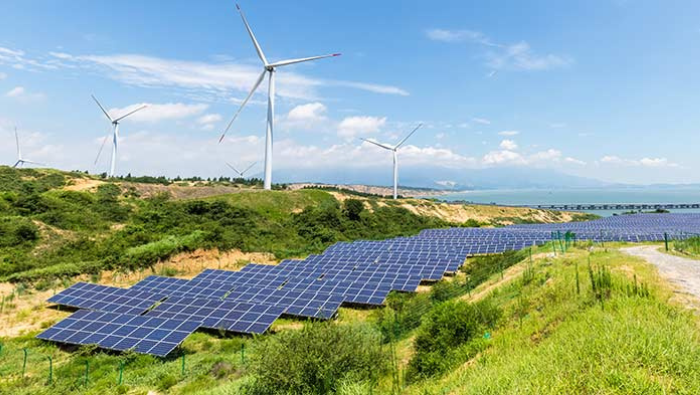
The global energy landscape is undergoing a profound transformation. Fossil fuels, once the backbone of industry and daily life, are being challenged by renewable sources like solar and wind. Climate concerns, rising energy costs, and technological advancements are driving this shift, and it’s reshaping not just power generation but economies, job markets, and communities worldwide.
Understanding why solar and wind energy are leading the renewable revolution, and what it means for the future, is essential for both policymakers and individuals planning for a sustainable future.
1. The Urgency Behind the Shift
The world is facing twin pressures: climate change and finite fossil fuel reserves. Burning coal, oil, and natural gas contributes significantly to greenhouse gas emissions, driving global warming and extreme weather events. Meanwhile, fossil fuels are depleting, and extraction costs are rising.
Solar and wind energy offer solutions:
-
Zero emissions during operation: Unlike coal or gas, solar panels and wind turbines do not emit carbon dioxide while generating electricity.
-
Renewable supply: Sunlight and wind are abundant and naturally replenished.
-
Decentralized production: Small-scale solar installations allow communities and households to generate their own energy.
Governments, corporations, and individuals are increasingly recognizing that transitioning to renewable energy is no longer optional—it’s essential.
2. Why Solar Power Is Surging
Solar energy has seen remarkable growth over the past decade. According to the International Energy Agency (IEA), solar installations worldwide grew by more than 20% in 2024 alone.
Key Drivers
-
Falling costs: Technological advancements and economies of scale have cut solar panel prices by more than 80% since 2010.
-
Energy independence: Homeowners and businesses can produce their own electricity, reducing reliance on the grid.
-
Government incentives: Tax credits, rebates, and feed-in tariffs encourage solar adoption.
-
Innovation in storage: Advances in battery technology allow excess energy to be stored for nighttime or cloudy days.
From rooftops in urban centers to large solar farms in deserts, solar energy is becoming increasingly accessible and efficient.
3. Wind Energy: Harnessing Nature’s Power
Wind energy has long been a staple of renewable strategies, particularly in Europe and North America. Modern turbines are more efficient, reliable, and cost-competitive with traditional power plants.
Why Wind Is a Leading Choice
-
High energy yield: Offshore and onshore wind farms can generate massive amounts of electricity with minimal land use.
-
Rapid deployment: Wind turbines can be installed relatively quickly compared to building new fossil fuel plants.
-
Job creation: The wind energy sector provides thousands of jobs in manufacturing, installation, maintenance, and research.
-
Low operating costs: Once built, turbines require minimal fuel or upkeep.
Countries like Denmark, Germany, and the United States are setting records for wind-generated electricity, demonstrating its viability at scale.
4. The Economics of Renewable Energy
Solar and wind are no longer “alternative” energy—they’re increasingly competitive with fossil fuels. The cost per kilowatt-hour for solar and wind has dropped dramatically, often outpacing coal and natural gas in regions with favorable conditions.
-
Investment incentives: Green bonds, government grants, and private investment make large-scale projects feasible.
-
Energy cost predictability: Renewable sources reduce exposure to volatile fossil fuel prices.
-
Long-term savings: Lower operational and maintenance costs mean renewable infrastructure often pays for itself over time.
This economic shift is driving utilities and corporations to integrate solar and wind into their energy portfolios, signaling a permanent transformation.
5. Environmental and Social Benefits
Beyond financial considerations, solar and wind energy offer tangible environmental and social advantages:
-
Reduced greenhouse gas emissions: Essential for meeting global climate targets.
-
Cleaner air and water: Less reliance on coal and gas reduces pollutants that cause respiratory and cardiovascular diseases.
-
Community empowerment: Localized renewable projects provide energy access to remote or underserved areas.
-
Job creation and economic growth: Renewable projects create skilled employment opportunities in installation, maintenance, and research sectors.
The shift toward renewables is not just about energy—it’s about sustainability, health, and economic resilience.
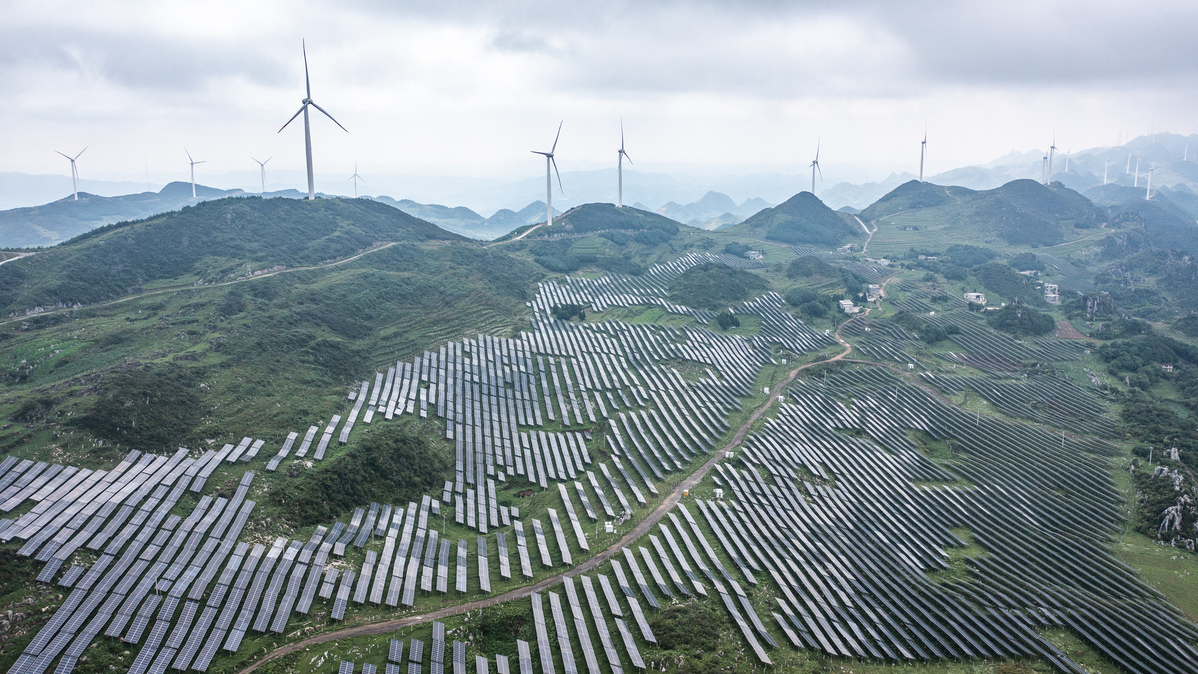
6. Challenges and Solutions
Despite their advantages, solar and wind face hurdles:
-
Intermittency: Sunlight and wind are not constant.
-
Storage limitations: Efficient, affordable batteries are needed to store energy.
-
Grid integration: Updating electrical grids to handle distributed energy sources requires investment.
-
Environmental concerns: Turbine installation and large solar farms can disrupt habitats if not carefully planned.
Solutions are emerging:
-
Battery innovations: Lithium-ion, solid-state, and flow batteries improve energy storage.
-
Smart grids: Digital technology allows dynamic energy distribution and reduces waste.
-
Hybrid systems: Combining solar, wind, and hydro or bioenergy ensures consistent supply.
-
Sustainable planning: Careful siting and ecological assessments minimize environmental impact.
7. Looking Ahead
The renewable energy shift is more than a trend—it’s a structural transformation of how humans generate and use power. Solar and wind will continue to lead because of their affordability, scalability, and environmental advantages. Experts predict that by 2035, renewables could supply more than 50% of global electricity, a dramatic change from just a decade ago.
For individuals, businesses, and governments, the message is clear: adopting renewable energy is no longer a niche choice—it’s an investment in the planet, the economy, and the well-being of future generations.
Conclusion
Solar and wind energy are driving the renewable revolution, offering clean, affordable, and scalable solutions to the energy challenges of our time. The transition is not without obstacles, but technological innovations, economic incentives, and global awareness are accelerating progress.
From rooftop solar panels to offshore wind farms, the shift toward renewable energy is real, tangible, and necessary. The question is no longer if the world will adopt renewables—it’s how quickly we can make the transition to ensure a sustainable, prosperous, and cleaner future for all.
About the Author