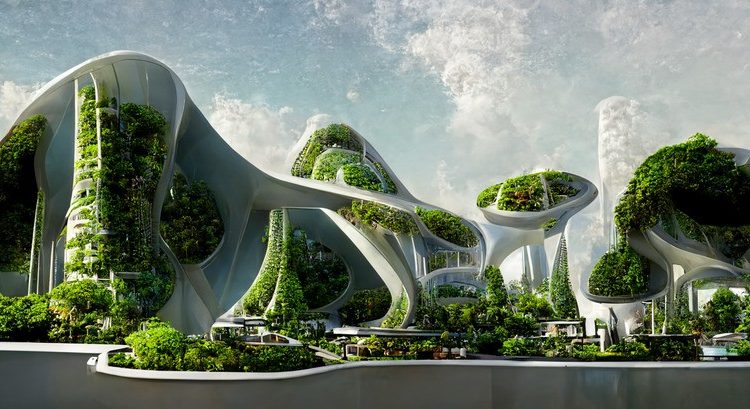
As the world’s population continues to urbanize, cities are under unprecedented pressure to balance growth with environmental sustainability. By 2050, over 68% of the global population is expected to live in urban areas, intensifying the need for innovative solutions that allow cities and nature to coexist. Enter the urban greening revolution—a movement that seeks to transform concrete jungles into living, breathable, and resilient ecosystems. From vertical forests to green roofs and smart urban parks, future cities are poised to embrace nature in ways that improve quality of life, reduce environmental impact, and enhance resilience against climate change.
Why Urban Greening Matters
Urban greening is more than a design trend—it is an ecological necessity. Dense urban areas often suffer from heat islands, air pollution, and biodiversity loss, which contribute to poor public health and reduced livability. Integrating greenery into urban planning offers multiple benefits:
-
Air quality improvement: Plants filter pollutants, reducing smog and improving respiratory health.
-
Climate mitigation: Trees and vegetation absorb CO₂, helping combat climate change.
-
Temperature regulation: Green spaces cool cities by providing shade and reducing heat absorption.
-
Mental health benefits: Access to parks and green areas lowers stress, anxiety, and depression.
-
Biodiversity support: Urban green corridors allow wildlife to thrive even in dense cities.
The connection between humans and nature is deeply rooted. Urban greening revitalizes this link, ensuring that even in metropolitan environments, residents experience the psychological and physical benefits of natural surroundings.
Innovative Approaches to Urban Greening
1. Vertical Forests and Green Skyscrapers
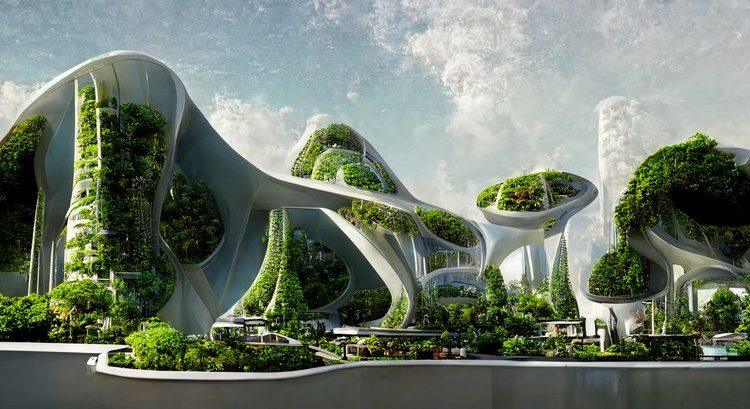
Vertical forests are transforming the skyline by incorporating vegetation directly into building facades. These skyscrapers are covered with trees, shrubs, and plants that:
-
Provide natural insulation, reducing energy consumption
-
Absorb carbon emissions and pollutants
-
Offer habitats for birds and insects
-
Enhance aesthetic appeal and human well-being
Cities such as Milan and Singapore have pioneered vertical forests, demonstrating how urban density does not have to come at the expense of greenery.
2. Green Roofs and Living Walls
Green roofs and living walls are becoming integral features of sustainable architecture. By converting unused roof space into gardens or installing plant-covered walls:
-
Buildings become energy-efficient due to improved insulation
-
Stormwater runoff is managed naturally, reducing flooding risks
-
Noise pollution is mitigated as plants absorb sound
-
Urban spaces gain aesthetic and recreational value
These features are especially effective in densely populated cities where horizontal expansion is limited.
3. Urban Parks and Green Corridors
Traditional parks remain crucial, but urban planners are now designing interconnected green corridors that link parks, rivers, and natural habitats. Such networks:
-
Facilitate wildlife movement and biodiversity preservation
-
Encourage walking and cycling, promoting healthy lifestyles
-
Reduce vehicle dependency by providing attractive alternatives for commuting
-
Serve as natural flood management systems in areas prone to heavy rainfall
Cities like Copenhagen and Portland are leading the way, showing how connected green infrastructure can shape healthier, more resilient urban environments.
4. Smart Urban Forestry
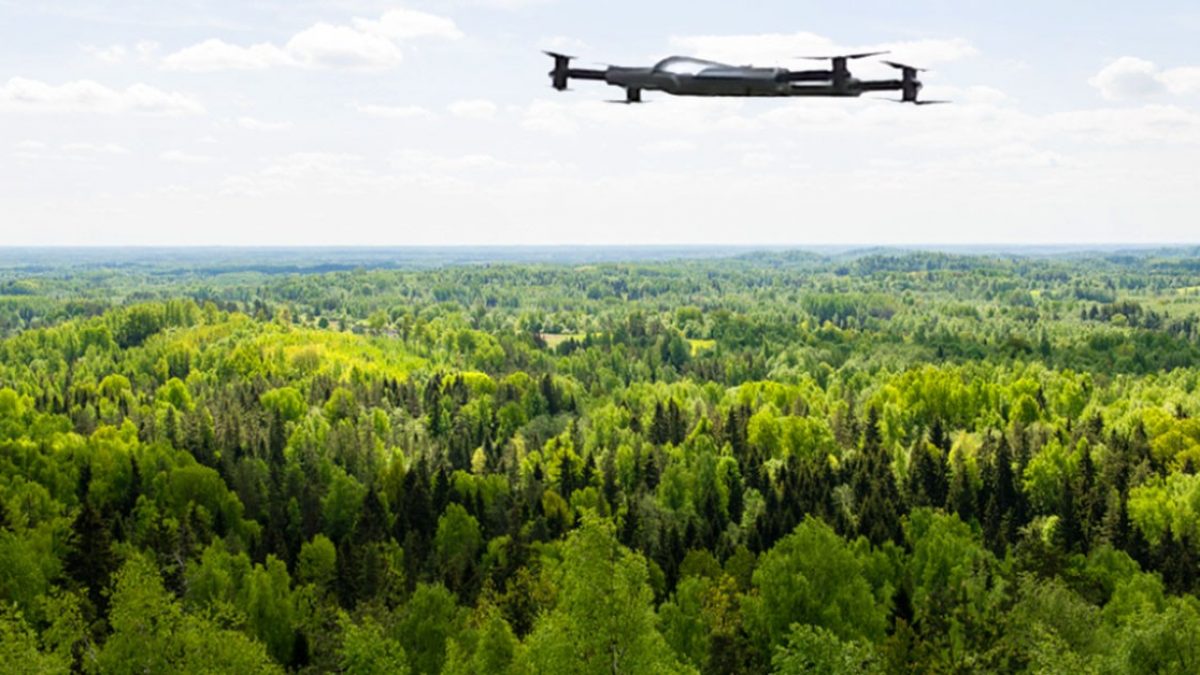
Technology is enhancing urban greening efforts through smart monitoring systems. Sensors track soil moisture, air quality, and plant health, allowing:
-
Efficient irrigation that conserves water
-
Early detection of plant stress or disease
-
Data-driven decisions for city planners
-
Integration with IoT devices to optimize energy and resource use
This combination of greenery and technology ensures that urban forests thrive even amid environmental challenges.
5. Community-Driven Green Initiatives
Urban greening is not just the responsibility of architects and city planners. Community-led projects—such as urban gardens, rooftop farms, and tree-planting drives—empower residents to participate directly in shaping their environment. Benefits include:
-
Strengthening community bonds
-
Promoting local food production
-
Educating citizens about sustainability and biodiversity
-
Encouraging civic pride and stewardship of public spaces
Grassroots initiatives complement large-scale urban planning, creating a multi-layered approach to greening cities.
Challenges and Considerations
While urban greening offers numerous advantages, implementing these initiatives requires careful planning:
-
Cost and maintenance: Trees, green roofs, and vertical forests require ongoing care, which can be expensive.
-
Infrastructure compatibility: Buildings must be designed or retrofitted to support additional weight and water requirements.
-
Climate adaptation: Plants must be selected for local climate conditions to ensure survival and reduce water usage.
-
Equity and accessibility: Green spaces should be accessible to all residents, not just affluent areas.
Addressing these challenges is critical for creating sustainable and equitable urban ecosystems.
The Future of Nature-Integrated Cities
The urban greening revolution is more than a trend—it is an essential strategy for future urban resilience. Experts predict that by 2035, most major cities will integrate greenery into every aspect of urban design, from streets and buildings to transportation networks and public spaces.
Future cities will feature:
-
Vertical ecosystems where plants, humans, and wildlife coexist
-
Self-sustaining green infrastructure that manages water, energy, and waste naturally
-
Smart, adaptive parks that respond to climate changes and population needs
-
Hybrid spaces blending urban living with agriculture, recreation, and ecological restoration
These innovations are transforming urban living into a sustainable, healthy, and aesthetically pleasing experience, proving that cities and nature need not be at odds.
Conclusion
The urban greening revolution is reshaping the way we think about city life. By integrating nature into architecture, infrastructure, and community spaces, future cities can reduce environmental impact, enhance public health, and create aesthetically pleasing environments. Vertical forests, green roofs, connected parks, smart urban forestry, and community gardens are all part of a holistic approach that ensures cities remain livable, resilient, and harmonious with nature.
In the coming decades, the success of cities will not be measured solely by economic growth or skyscraper height, but by the quality of life, ecological balance, and human-nature connection they provide. Urban greening offers a roadmap for this future—one in which concrete jungles transform into thriving green ecosystems, and humanity coexists with nature without compromise.
About the Author